

### Blog Post:
Whole home generator installation cost is top of mind for homeowners ready to protect their property and comfort during outages in 2024–2025. Here’s exactly what you can expect to pay, what drives these costs, and how to avoid unexpected headaches from quote to switch-on.
Key Takeaways
- Most whole home generator installations cost $12,500 nationwide median, or about $1,200 per kW in 2024–2025 — but regional and size factors can shift that figure $7,000 either way.
- Natural gas remains the lowest-operating-cost fuel, and labor, permits, and contractor reliability are the biggest cost and delay risks.
- Vetting your contractor’s credentials and demanding a detailed, line-item quote reduces the biggest risks and cost overruns.
- Quick cost snapshot — what homeowners should expect in 2024–2025
- Cost by system size (kW) — how size drives price
- Regional pricing differences — Midwest, Southwest/Gulf, Northeast
- Fuel types — upfront and operating cost comparisons
- Itemized installation cost breakdown
- Top consumer pain points and the hard facts that fix them
- How to vet and hire a contractor — a one-page checklist
- Typical project timeline with common delays and how to avoid them
- ROI, home value impact, and long-term ownership costs
- 3 sample quotes — realistic ballpark scenarios
- FAQ + “What to ask now” script for your first contractor call
- Next steps — downloadable checklist and cost worksheet
Quick cost snapshot — what homeowners should expect in 2024–2025
The median whole home generator installation cost nationwide is about $12,500 for a full installed package in 2024–2025, with most quotes falling between $7,000 and $25,000 depending on system size, local labor, and fuel type. The typical price per kW is around $1,200. For a 2,500 sq ft home covering main loads, expect a quote in this median.
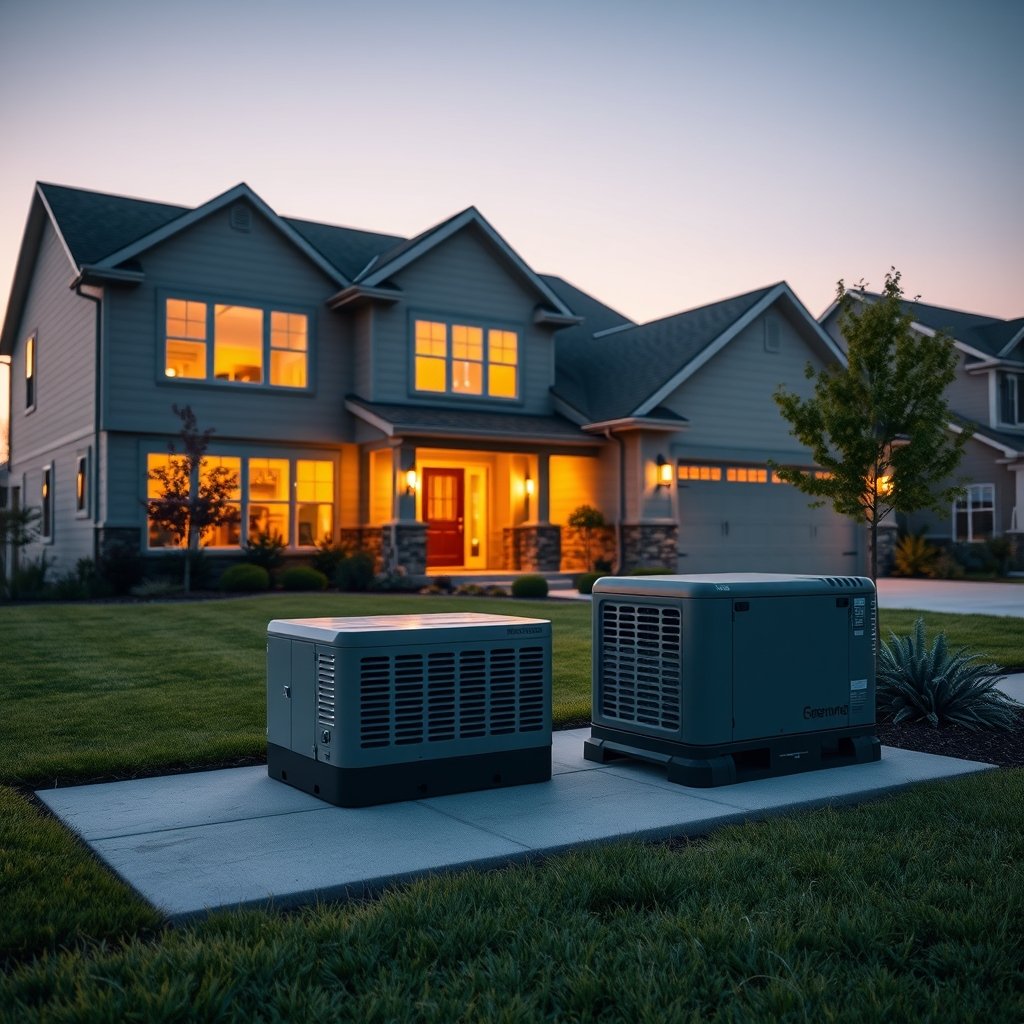
Prices are steadily rising as demand grows — global market research predicts annual increases as supply chain and labor costs climb. That means acting sooner avoids future price jumps (source).
Cost by system size (kW) — how size drives price
Size is the number one cost driver. Here’s how home backup generator prices break down by system size:
- 10–14 kW (essential circuits): $3,000–$5,000+ for the unit, typically under $10,000 installed (good for partial backup).
- 15–20 kW (whole-house typical): $7,000–$9,000+ for the unit, usually $12,500–$18,000 all-in, depending on complexity and region.
- 20+ kW (large/fine finishes homes): $10,000–$15,000+ for the unit, with total installs running $20,000–$25,000+ where labor or electrical upgrades are needed.
Choose your size based on how much of your home you want to power and your breaker panel design. Partial-load (10–14 kW) covers essentials — fridge, HVAC, lights. Full-load (15–24 kW) powers everything, which most 2,000–3,000 sq ft homes may require. Larger or luxury homes may need 24–26 kW or more (reference).
Regional pricing differences — Midwest, Southwest/Gulf, Northeast
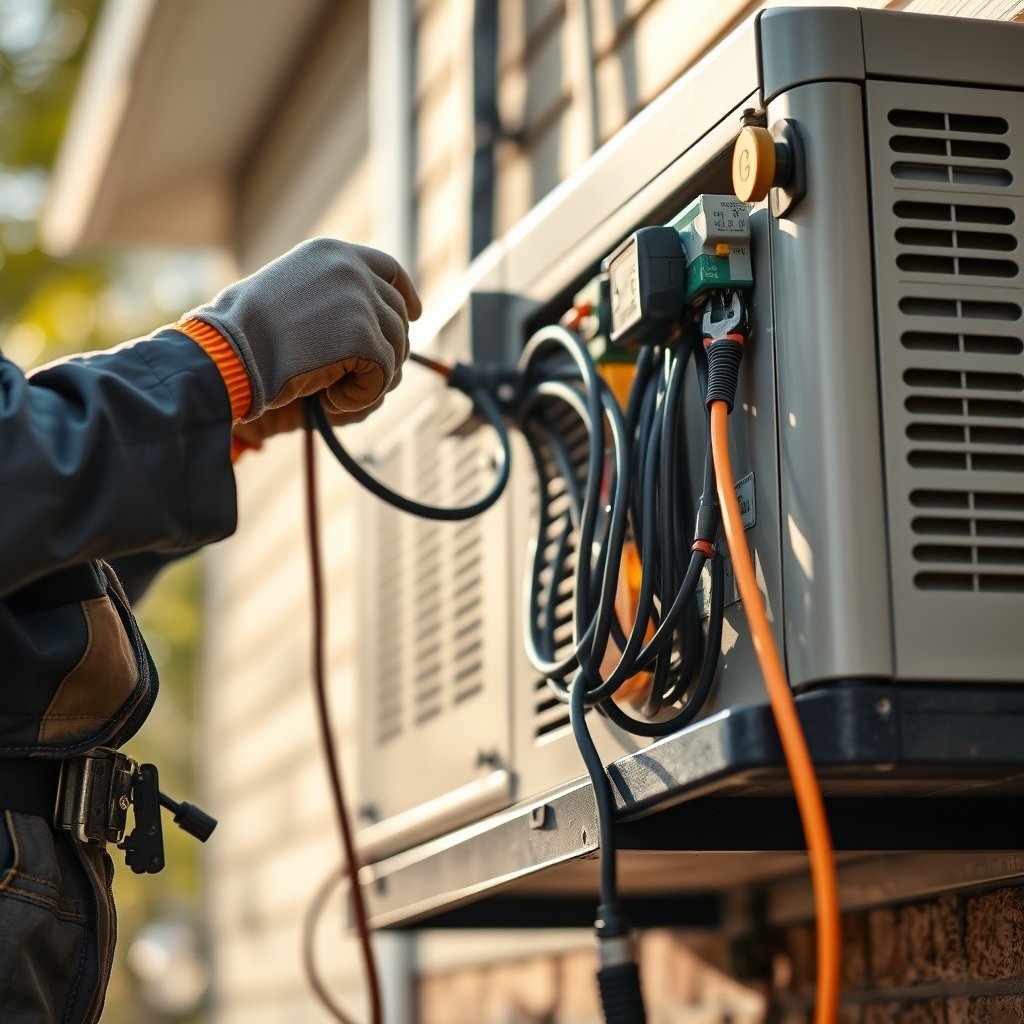
Standby generator cost installed 2024 jumps up or down depending on your region:
- Midwest (e.g., central Ohio): $12,000 median for a 15 kW system (~$800/kW).
- Southwest/Gulf (e.g., Texas): $16,500 median for a 20 kW system (~$825/kW).
- Northeast (urban): $18,000 median for a 20 kW system (~$900/kW).
These differences reflect higher union labor rates, denser code requirements, and greater permitting/inspection complexity in the Northeast, plus tougher trenching or gas tie-in rules. In the Southwest, extreme-weather builds and fuel supply upgrades add cost. Midwestern installs benefit from simpler code and lower cost of living. For more on project complexity and cost by location, see this detailed installation guide.
Fuel types — upfront and operating cost comparisons
Choosing the right fuel matters for both install and what you’ll spend over time. Natural gas generator home cost is typically lowest if you have a gas line:
| Fuel | Upfront Cost | Operating Cost per kWh | Daily Cost (20kW, 24hr run) |
Fuel Usage |
|---|---|---|---|---|
| Natural Gas | Lowest (if gas available) | $0.07–$0.09 | $125–$150/day | 0.25 gal/kWh |
| Propane | +20–30% for tank setup | $0.09–$0.12 | $220/day | 0.3 gal/kWh |
| Diesel | Tank + higher labor | $0.12–$0.14 | $175/day | 0.4 gal/kWh |
Natural gas avoids the hassle of bulk fuel delivery and storage, and is less subject to price shocks. Propane requires a buried or above-ground tank and costs about 20–30% more to run. Diesel is rare for residential but sometimes used in rural settings — it’s powerful but storage costs/maintenance are highest, and daily use costs can spike (see Angi’s national cost data).
Itemized installation cost breakdown (unit, transfer switch, labor, permits, site prep)
An apples-to-apples quote should include:
- Generator unit: $3,000–$15,000+ (brand, size, features — why certified brands matter).
- Automatic Transfer Switch (ATS): $1,000–$2,500+
- Electrical labor & supplies: $1,200+ (a standard 4-hour transfer switch wiring job).
- Gas fitting/fuel connections: $750–$2,000+
- concrete pad/site prep: $500–$2,500
- Permits: $50–$200 (municipality depends).
- Inspection/utility fees: $100–$300
- Routine maintenance: $150 per service, typically twice/year for a Generac whole house generator cost plan.
For a free, editable worksheet to plug in each line item and compare multiple proposals, see the Next steps section below.
Want to trim upfront costs? See our portable power station buying guide for lower-priced battery options (not whole-home solutions, but can cover basics when budget is tight).
Top consumer pain points and the hard facts that fix them
Homeowners cite five major worries when buying a standby system:
| Pain Point | Hard Facts / Solution |
|---|---|
| Permit hassles | Ask for the published municipal fee schedule ($50–$200). Require your contractor to handle all filings and inspections. |
| Contractor reliability | 30–40% of delays are from turnover/lack of certification. Demand factory-trained, certified installers, check insurance/licensing (see checklist below). |
| Schedule overruns | Average install overrun is 2–4 weeks, often from permit review or site prep. Ask for a guaranteed timeline with penalty clauses for unjustified delays. |
| Maintenance and fuel issues | Request a service plan line item (~$150 per service, twice/year). Insist on documented fuel-consumption rates for your size/fuel. Keep your batteries long-lasting and ready with a maintenance and fuel issues solution for peace of mind. |
| Apples-to-apples quotes | Require itemized, written quotes breaking out equipment, labor, permits, and extras. Refuse lump sum proposals you can’t audit. |
Take control early: start with a reputable, insured pro and demand written documentation at each step. For DIY-friendly home upgrades that complement a generator investment, check out our smart thermostat savings guide for an energy-efficiency boost.
How to vet and hire a contractor — a one-page checklist
- Ask for an itemized written quote (equipment, labor, permits, extras all listed separately).
- Require factory-trained certification for your generator brand (Generac, Kohler, etc).
- Verify years in business and project references — ideally 5+ years on similar installs.
- License & insurance: get copies up front. No exceptions.
- Insist on a workmanship warranty (1+ years is typical).
- Proposal must break out equipment, labor, sitework, permit fees individually.
- If needed, check financing terms and rates in writing.
Why does this matter? Contractor turnover and certification errors cause 30–40% of installation delays and cost overruns. Factory-trained pros honor manufacturer warranties and solve problems. For more on finding local pros and verifying their credentials, see our detailed automation contractor checklist.
Typical project timeline with common delays and how to avoid them
From signed contract to working generator, here’s the typical sequence for home backup generator prices to become reality:
- Site survey: 1–3 days
- Permitting: 1–4 weeks (most common delay)
- Utility & code review: 1–3 weeks (if digging/gas tie-in needed)
- Site prep/concrete work: 1–2 days
- Generator delivery & installation: 1–2 days
- Final inspection: 3–7 days
Average schedule overrun is 2–4 weeks due mainly to permit lags or undiscovered site utility conflicts. You can avoid these as a homeowner by:
- Choosing a contractor who handles all permits and utility coordination.
- Requesting an “expedited permit” process if your city offers one (typically $50–$100 extra).
- Pre-clearing your lot for buried lines or access issues before work starts.
For homeowners who want to skip headaches entirely and still have backup, products like solar outdoor lights and blackout curtains can provide affordable alternatives for essentials.
ROI, home value impact, and long-term ownership costs
A standby system isn’t just an emergency measure — it’s a property value boost and a comfort/insurance policy. How does the math work on your whole home generator installation cost?
- Home value uplift: Expect a 3–5% increase in resale value. For a $400,000 home, that’s up to $20,000 more in sale price (HAR.com research).
- Resale return: National research shows up to 150% ROI if sold within five years (system still modern, under warranty).
- Total cost of ownership: Add annual maintenance ($300), fuel, and potential repairs. Spread over 10 years, the total outlay is typically $15,000–$25,000 (fuel, service, and install).
- Insurance premium savings: Some insurers offer lower rates for homes with standby backup — ask yours about discounts.
Full-home generators pay off fastest for households that experience more than one outage per year or that require medical/refrigeration support.
3 sample quotes — realistic ballpark scenarios (small, typical, high-end)
Here are three credible, single-line examples so you can map your quote:
- Scenario 1: Midwest, 12–15 kW (essential circuits only, natural gas). Installed total: $12,000.
- Scenario 2: Southwest/Gulf, 20 kW (full-home, natural gas). Installed total: $16,500.
- Scenario 3: Northeast (urban), 20+ kW (luxury or large home, propane or natural gas). Installed total: $18,000+.
Median national installed package for 2024–2025: $12,500. For a high-efficiency, low-fuel consumption choice, natural gas generator home cost scenarios usually deliver the lowest operating bill long term.
FAQ + “What to ask now” script for your first contractor call
How is generator size (kW) matched to my home?
Your installer should perform a whole-house load calculation to account for HVAC, appliances, and peak demands. Most 2,000–3,000 sq ft homes are well-served by 15–20 kW. Don’t trust sales pitches that suggest “bigger is better.”
What’s the typical permit fee, and who handles it?
Municipalities charge between $50–$200 for standby generator permits. Always confirm your installer will handle all filings and include these fees in your contract.
What is the recommended service schedule and cost?
Best practice is twice per year service at about $150 each visit (for oil, filter, diagnostics, battery).
What questions should I ask on my first contractor call?
- What kW size do you recommend for my home and why?
- What fuel sources are available at my address?
- Will you handle all permits and inspections?
- What’s your real installation timeline and biggest risks for delays?
- Can you supply an itemized, written quote splitting equipment, labor, permits, and extras?
- What’s your service/warranty plan if issues arise?
Can standby generators integrate with home automation systems?
Yes — most modern standby generators support remote monitoring and basic integration with energy management or security systems. Ask your installer which models and features are available for your smart home setup.
Next steps — downloadable checklist and cost worksheet (editorial note)
Ready for your quote? Download our generator checklist & editable worksheet (link below) to map itemized whole home generator installation cost by line (unit, labor, permits, annual service, fuel). Double-check your three key numbers:
- Nationwide median install: $12,500 in 2024–2025
- Permit fees: typically $50–$200
- Market trend: Pricing is rising steadily as demand keeps climbing (market growth outlook).
Action step: Get 2–3 local written quotes, use our checklist to spot gaps, and insist every proposal breaks out actual line items. For related smart home upgrades and energy savings, view our guides on DIY gardening and water quality filtration.
Download the whole home generator worksheet now.
Conclusion
The most important step to getting the best whole home generator installation cost is to shop smart: compare size and fuel for your actual needs, demand a credentialed contractor with detailed breakdowns, and use direct data on costs, maintenance, and ROI. With prices clearly rising and complexity increasing, making a decision within your planned 30 to 90 day window ensures maximum value and peace of mind.
Ready to get started? Download your checklist above, gather your first three local quotes, and compare line by line to ensure your power investment will pay off for years.
—