

Portable power station demand has surged in 2024, with more homeowners and small businesses looking for affordable, flexible emergency power solutions. Whether you’re bracing for outages, tackling home improvement projects, or prepping your small business, knowing how these units compare to bigger home backup batteries is critical for choosing smart—and saving money.
Key Takeaways
- Portable power stations are a reliable, scalable, and cost-effective solution for outage and emergency backup—especially compared to high-priced home backup batteries.
- Spec sheets matter: focus on usable Wh, inverter type, chemistry (LiFePO4 vs NMC), cycle life, safety certifications, and recharge speed before buying.
- The market evolves fast—buyers should prioritize repairability, real-world runtime data, and future-proof integration (think whole-home options and modular upgrades).
- Why portable power stations are worth considering in 2024–2026
- Portable power station vs home backup battery — which fits your needs?
- Who needs what — capacity tiers and typical use cases
- Market leaders and competitive landscape — who matters and why
- The 3 critical gaps top competitors miss (unique insight)
- The hard facts every product page / review must show
- How to test and demonstrate real‑world performance
- Positioning as a “best portable generator alternative” for buyers
- Integration tips for home backup (partial and whole‑home options)
- Pricing, warranties and certification expectations
- Content elements and deliverables to include in the post
- SEO & keyword guidance + internal linking strategy
- Suggested CTAs and lead magnets for conversion
- FAQ
Why portable power stations are worth considering in 2024–2026
Portable power station sales hit about 1.1 million units worldwide in 2024, with a market value of roughly $660 million (average selling price: $600). That’s not just a passing trend. The segment is growing at 18–20 percent annually and on pace to hit nearly $1 billion and 1.8 million units by 2026. Prices are dropping, new features arrive every year, and use cases now range from home backup, job sites, vanlife, to small business applications. In short: there’s never been a better moment to buy into this category—and skipping it now means missing resilient, cost-effective power security as weather events and grid risks intensify.
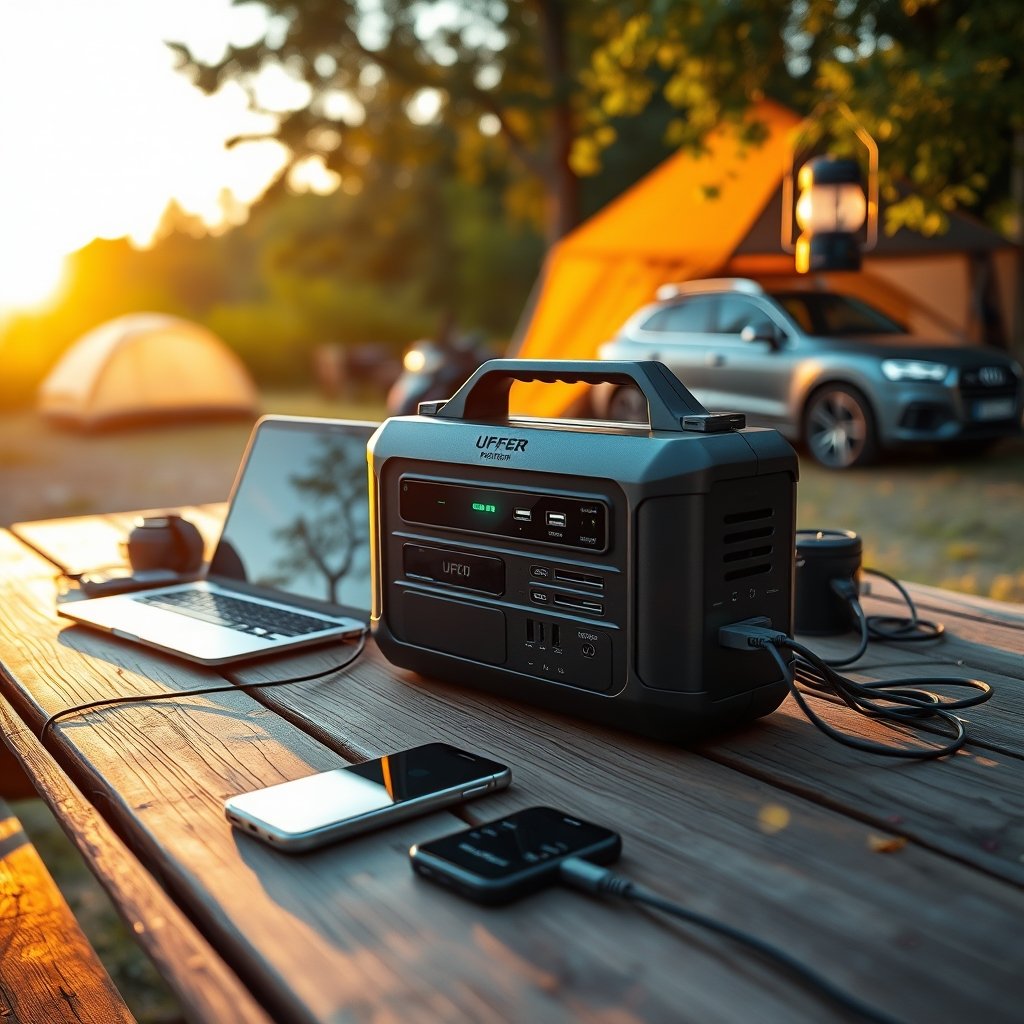
Portable power station vs home backup battery — which fits your needs?
If you’re weighing a portable power station against a stationary home backup battery, start by comparing price, ease of installation, and actual use cases. In 2024, home backup batteries (like Tesla Powerwall, LG Chem) cost around $14,000–$15,000 per unit, with U.S. sales near 150,000–170,000 units and $2.4 billion in annual revenue. Portable power stations, by contrast, run $200–$1,800 per unit (often under $600 for solid mid-range models), with far lower cost per watt-hour and zero professional install required. While stationary systems can power an entire home for hours or days, portable generators focus on targeted needs—fridges, medical devices, phones, modems, lighting—and can be moved or used outdoors instantly.
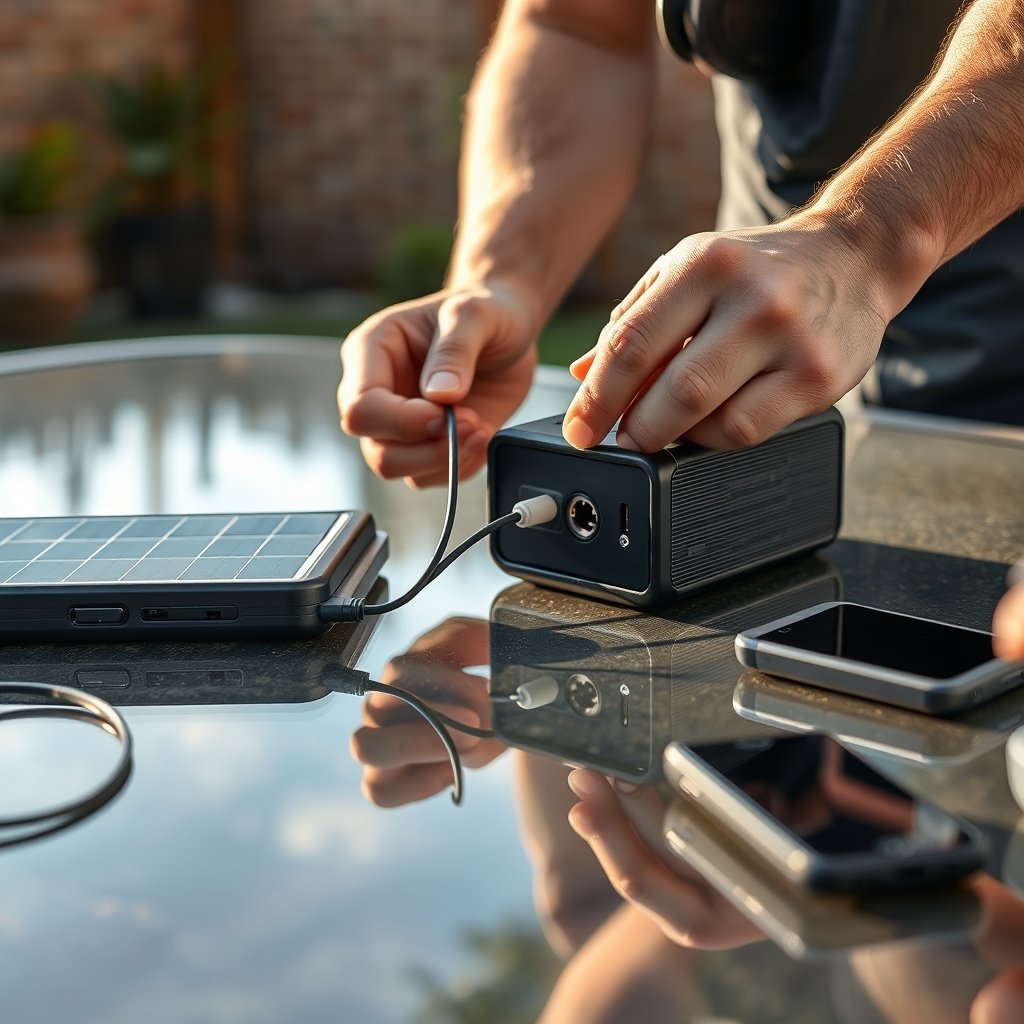
Check full-home battery alternatives and installation notes in our expert home backup battery guide.
Who needs what — capacity tiers and typical use cases
Choosing an emergency power station for home comes down to accurate capacity selection:
- Entry (≈250Wh): Charges phones, keeps LED lighting on, runs Wi-Fi router or radios for 5–15 hours. Good for single-person/short outages.
- Mid (500–1,000Wh): Powers fridge for 6–12+ hours, run CPAP, laptops, fans, modems, supporting a family overnight. Great for suburban/rural homes and small businesses needing basic uptime.
- Premium (1,500–2,000Wh): Runs fridge+freezer, multiple devices, light medical gear (CPAP, nebulizers), essential lighting for 24+ hours. Serious backup for longer blackouts or indoor-safe RV/van use.
Runtimes vary by load and model. For instance, Popular Mechanics saw a 2,073Wh LiFePO4 unit deliver 92% of its rated capacity under real use (source: Popular Mechanics review). Always check real-world data, not just specs.
If you want the best portable generator alternative, see our solar charging and outdoor readiness guide for building a multi-day emergency kit.
Market leaders and competitive landscape — who matters and why
In 2024, three brands—Jackery, EcoFlow, and Goal Zero—captured roughly 55% of all portable power station sales. Brands like Anker and Bluetti are strong challengers, and many private-label OEMs crowd online marketplaces (with mixed long-term quality). Market concentration means stronger support, easier part upgrades, app ecosystems, and reliable warranties from top players. However, fast-moving innovation can make mid-tier or lesser-known options worth consideration for buyers seeking a balance of price, features, and future modular upgrades.
If you’re comparing brands for maximum reliability, consult engineers’ field tests and market analytics data, like these from Coherent Market Insights and Strategic Market Research, and check user-reported runtime from sources like Wirecutter.
The 3 critical gaps top competitors miss (unique insight)
- Repairability & future-proofing: New EU rules will soon require all units to offer easy-to-replace batteries and modular parts. Today’s leading models mostly lack true field repairability—so pay attention if you want to extend lifespan or comply with global standards post-2026.
- Whole-home integration: Very few portable power stations offer genuine bidirectional inverters that can safely power an entire home panel. Most require external transfer switches or load panels—making full-home backup clunky and sometimes risky without pro advice.
- Battery longevity vs speed: LiFePO4 chemistry offers 6,000+ charge cycles (best for years of service), but most fast-charge units use NMC cells that degrade quicker. A small handful combine both (fast charge plus ultra-long life) but usually at the top end of the price range.
Want a system that supports future modular upgrades? Track feature rollouts in upcoming generations, and remember: a “future-proof” portable power station saves money long-term and reduces e-waste—especially for vanlife or rental property needs.
The hard facts every product page / review must show
Decision-ready buyers want specific tech specs, not marketing jargon. Insist on these facts before paying:
| Key Spec | Entry | Mid | Premium |
|---|---|---|---|
| Usable Capacity (Wh) | ~250 | 500–1,000 | 1,500–2,000 |
| Inverter Type | Pure Sine or Modified | Pure Sine | Pure Sine (preferred) |
| Recharge Time AC | 5–10 h | 3–8 h | 1–6 h (fast-charge = 45–60 min to 80%) |
| Price Bracket (USD) | $200–$600 | $700–$1,200 | $1,300–$1,800 |
| Chemistry | NMC, LiFePO4 | NMC, LiFePO4 | LiFePO4 (preferred), NMC |
| Recharge 0-80% | 60–90 min (fast models) | 45–81 min (best observed) | 45–81 min (elite units) |
| Safety Certifications | UL, ETL, CE, FCC, NRTL | ||
Looking for the best portable generator alternative? Compare live models using our portable generator alternatives guide.
How to test and demonstrate real‑world performance
Reviewers and buyers should always check:
- Measured usable Wh: Real-world delivery is often 80–92% of advertised (source: Popular Mechanics).
- Load run times: Test with relevant gear—fridge, router, fan, medical device—not just lightbulbs. See if runtime aligns to spec.
- Peak vs continuous AC output: Some units only handle surge loads briefly (microwave or pump). Make sure ‘continuous’ rating meets your needs.
- Recharge speeds (AC/solar): Many ‘fast charge’ claims work only on AC; solar input lags. Document time to 80% and trickle recharge from 80–100%.
- Battery cycle-life validation: LiFePO4 models should last 3,000–6,000+ cycles without big capacity loss; NMC/NCA usually fade after 500–1,000 cycles. Ask for lab or field results.

Explore our testing methodology for off-grid and grid-tied scenarios.
Positioning as a “best portable generator alternative” for buyers
Today’s portable power station is often the best portable generator alternative for small homes, shops, or apartments, especially where noise, fumes, or fuel limits make gas units impractical. Electric units are safe indoors, maintenance-free, easy to recharge via solar/AC/car, and perfectly suited for apartments, townhouses, and RVs. Use gas generators for whole-home backup or high-draw needs (HVAC, deep well pumps), but for fridge/lights/CPAP/comms, a portable power station delivers silent, instant power—no LPG needed.
- Electric: Pros — silent, zero emissions, safe indoors, instant start, easy to monitor, ideal for outages & wildfires. Cons — limited energy reserve unless you combine solar/car charging.
- Gas/LPG: Pros — high wattage, long runtime with enough fuel. Cons — noisy, must be operated outside, requires maintenance & regular exercise, carbon monoxide risk.
For maintenance-free backup, most urban owners and RVs actually spend less over 5 years on rechargeable portables, thanks to falling prices (ASP ≈ $600 per unit).
Integration tips for home backup (partial and whole‑home options)
Connecting a portable power station for home backup can be as simple as plugging in extension cords, or as complex as AC-coupling to home load panels. Here’s what you need to know:
- AC-coupling: Use dedicated backup outlets or transfer switch for direct home backup. Best for mid-tier/premium units.
- Whole-Home Kits: Some brands (EcoFlow, Bluetti) now bundle dual units with connection hubs for partial whole-home backup—rare for full-home but closing the gap.
- Bidirectional inverters: Only a handful of high-end models can “feed” an entire circuit panel without extra gear—and these are rare/pricey (Popular Mechanics notes this is a work-in-progress for most brands).
- Always call a licensed electrician before wiring any portable unit directly to a home panel.
See installation dos/don’ts and safety warnings on our home backup safety checklist.
Pricing, warranties and certification expectations
Here’s how you should budget—and what certifications matter:
- Entry: $200–$600 — Good for basic backup, phone charging, emergency lights. Typically NMC chemistry, 1–2 year warranty, basic UL/ETL checks.
- Mid-range: $700–$1,200 — Adds capacity, faster charge, and longer warranty (up to 3 years). Some have LiFePO4 batteries—look for UL & CE marks.
- Premium: $1,300–$1,800+ — LiFePO4, fast-charging, usually 5–10 year limited warranties, full NRTL certification and app support. These pay off long-term for heavier use (business, medical backup).
LiFePO4 units cost more up front but are best for repeated or daily use—expect 6,000+ cycles at 80%+ capacity retention. For occasional use, mid-tier NMC is still cost-effective for typical outages.
Always require third-party proof of UL, ETL, CE, FCC, or NRTL safety marks when shopping new models. If all you see is “conforms to standards,” demand actual certificates.
Content elements and deliverables to include in the post
A well-optimized product guide—especially for emergency power station for home buyers—should feature:
- Comparison tables showing spec, price, and real runtime for each tier.
- “Who it’s for” blurbs for each use case (suburban, business, outdoor, medical).
- At-a-glance checklist: usable Wh, inverter, chemistry, cycle life, certifications, price.
- 3-line pros/cons bullets for each leading brand/model.
- Bullets summarizing real test runtimes: fridge X hours, CPAP Y hours, router Z hours, etc.
- A downloadable one-page comparison PDF buyers’ guide.
- Market snapshot infographic—showing market growth and top brands’ 55% share—boosts confidence and transparency.
For more on combining power station and solar, visit our solar backup kit guide.
SEO & keyword guidance + internal linking strategy
Strong SEO for portable power station guides starts with strategic keyword use:
- Use “portable power station,” “home backup battery,” and “best portable generator alternative” in headings, intros, meta, and product tables.
- Sprinkle “emergency power station for home,” “battery backup for outages,” and related terms in lists and use-case blurbs.
- Add internal links to home backup battery deep dives, generator alternatives, and solar charging pages throughout (as seen in this article).
- CTAs must match commercial intent: comparison, price alert, buyer’s checklist, or quote request.
If you want in-depth coverage of generator alternatives, see our internal resource on this topic.
Suggested CTAs and lead magnets for conversion
Best-performing guides work because they help buyers take action. Suggestions for CTAs:
- “Compare Models” button linking to a side-by-side price/spec table or quote form.
- Downloadable “Buyer’s Checklist” PDF — builds lead funnel, especially for buyers weighing battery backup for outages or large-amp models.
- “Get Price Alert” or “Request a Quick Quote” for mid/premium units (use ASP and 2024 growth to justify promos and financing offers).
- Online calculator: “Which size do I need?” based on appliance list and hours required.
Lead magnet tips: Offer a one-tap “Email Me This Guide” for quick, mobile-friendly conversion, or embed a home/van/off-grid scenario calculator to build trust and lower barriers for serious buyers.
Conclusion
Portable power stations deliver unmatched versatility for home, business, and outdoor emergency backup—at a fraction of the cost of traditional home backup batteries. By focusing on real capacity, chemistry, future-proof features, and clear spec sheets, buyers can confidently invest in this fast-moving tech. Ready to choose the best portable power station for your needs? Start by comparing specs and download your quick-start checklist above for peace of mind before the next outage hits.
FAQ
How much capacity do I need to power a fridge and Wi-Fi for 24 hours?
You’ll typically need a premium-class portable power station (1,500–2,000Wh). Most energy-efficient fridges plus a router draw 70–100W combined, so a 2,000Wh unit covers a full day in most real-world tests.
What’s the main difference between a portable power station and a home backup battery?
Portables are meant for targeted appliances and can be moved or used on the go—costing $600–$1,800 for major units. Home backup batteries are stationary, installed by a pro, cost upwards of $14,000, but can run a whole house for hours. Most homeowners get more everyday value from portables.
Do I need a transfer switch to power my house with a portable power station?
For whole-home backup, yes—you’ll need a transfer switch or a specially designed hub to connect safely. For specific appliances or rooms, extension cords or backup outlets are fine. Never backfeed a home panel without a pro!
What battery chemistry should I look for—LiFePO4 or NMC?
LiFePO4 offers much longer lifespan (3,000–6,000+ cycles), is safer thermally, and is now common in premium portable power stations. NMC (Nickel Manganese Cobalt) is lighter, but lasts 800–1,000 cycles. For heavy use, LiFePO4 is the smarter investment.
Is it safe to use a portable power station indoors?
Absolutely. Unlike gas generators, portable power stations emit no fumes, are quiet, and pose no carbon monoxide risk. Just ensure the unit is certified (UL, ETL, CE) and is never overloaded beyond its rated capacity.