

### Blog Post:
Blackout curtains aren’t just about blocking sunlight — they’re one of the easiest ways to improve your sleep, cut street noise, and insulate your bedroom to lower energy bills. But most buying guides miss the practical fixes and performance metrics you need to actually see (and feel) real results. Here’s how to choose, install, and optimize blackout curtains as a system for deep sleep and real energy savings in your city home.
Key Takeaways
- Blackout curtains are now a mainstream solution for sleep, insulation, and noise reduction — but only when installed correctly with proper hardware and specs.
- The best curtains for bedroom sleep focus on blocking all light, boosting thermal performance (R-value, percent reduction), and measurable acoustic quiet.
- Most user complaints — like light leaks and cleaning headaches — can be solved with smart installation, targeted buying, and simple maintenance routines.
- Market snapshot — why now is the moment for blackout & energy-saving window treatments
- Step-by-step guide: Buy and install for sleep, energy, and noise
- Advanced analysis & common pitfalls (what others miss)
- Conclusion & actionable next steps
- FAQ — blackout curtain myths and real answers
Market snapshot — why now is the moment for blackout & energy-saving window treatments
In 2025, demand for energy saving window curtains and blackout curtains hit an all-time high. The global blackout-curtain market reached around $11.1 billion, with the blackout-fabric segment valued at $1.2 billion and growing fast at 6.3% CAGR. The entire window-coverings industry ballooned to $26.6 billion, up roughly 6–7% yearly.
Bedroom adoption rates are up too: about 35–40% of bedrooms in the US and Europe now use some form of energy-saving window curtains, driven by urban noise, rising utility bills, and a focus on better sleep. According to industry research, North Americans prefer blackout curtains and cellular shades for temperature and privacy, and 74% of surveyed homeowners want window treatments that block both light and heat. If you’re considering an upgrade, you’re part of a fast-growing community — and one with better sleep, lower bills, and less noise.

Step-by-step guide: Buy and install for sleep, energy, and noise
To get the most out of blackout curtains, treat them as a bedroom system — not just a décor choice. Here’s what to do, step-by-step:
- Measure for full coverage. Measure the window, then add 4–12 inches past each side and above the top to allow for rod or track placement. Always go floor-to-ceiling if possible for maximum light, noise, and heat blocking.
- Choose the right curtain & liner. Prioritize multilayer blackout curtains with a dense weave (like polyester or velvet) and a true blackout liner. For energy savings, look for thermal blackout drapes with either foam backing or reflective lining. For noise, opt for heavier panels or “noise reducing curtains,” and check for NRC (Noise Reduction Coefficient) or dB claims.
- Select robust hardware. Heavy blackout curtains can weigh 3–10+ pounds per panel. Use heavy-duty rods (not tension rods), ceiling-mounted tracks, or wraparound rods to minimize light gaps and support weight. Standard hardware often fails on heavier panels.
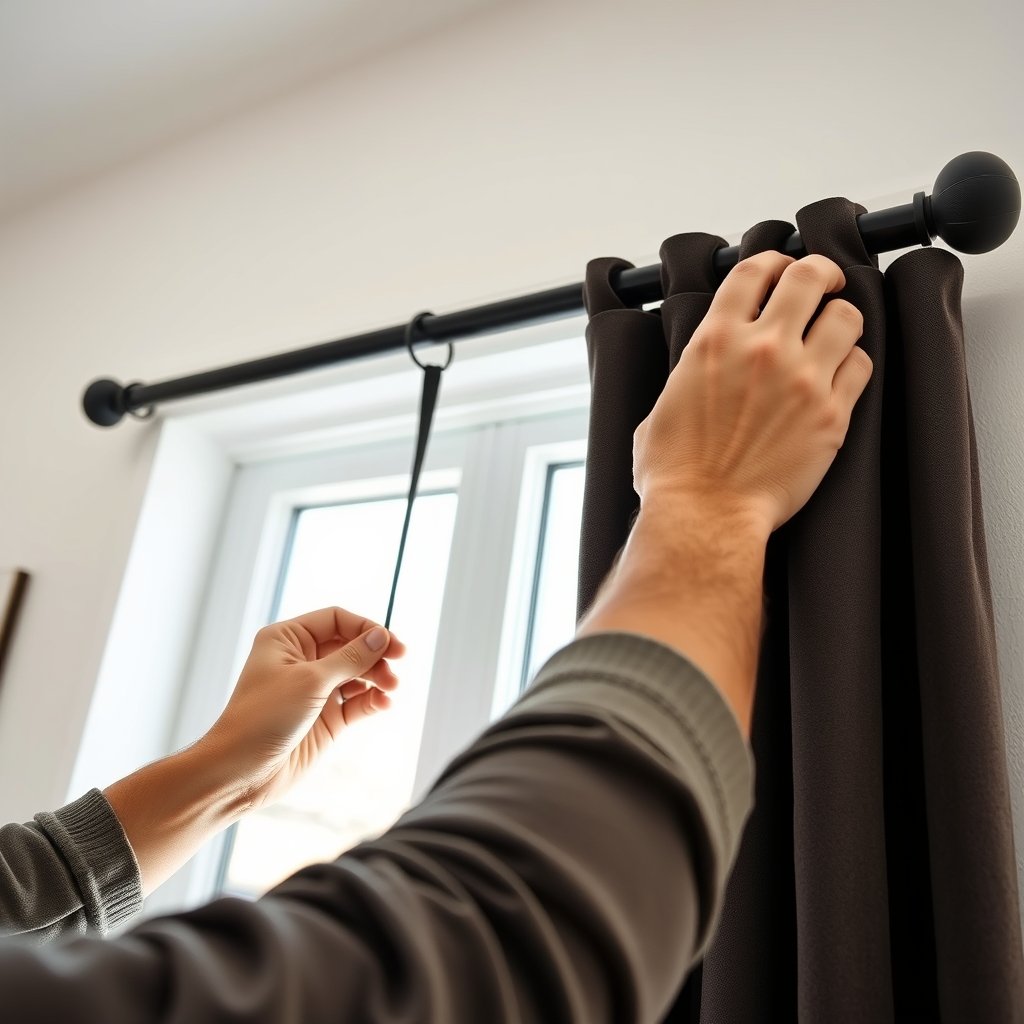
- Mount above and beyond. Position rods or tracks at least 4–6 inches above the window and extend 4–12 inches past both sides. For best performance, use wraparound rods, side channels, or magnetic/Velcro edge seals to prevent light and air seepage.
- Seal the edges. Add inexpensive foam tape, sewn side flaps, or magnetic/Velcro seals on the curtain edges for a custom seal. Overlap curtain panels in the center by at least 4 inches to block in-between light.
- Test and adjust. During the daytime, check for light leaks and readjust. At night, turn on exterior lights or use a flashlight outside the window to see if gaps remain. Tweak hardware or add seals as needed.
- Maintain and clean regularly. Vacuum or brush weekly to remove dust from thick liners. For spot stains, use a damp microfiber cloth. Wash according to tag—but note that very thick blackout curtains may require professional cleaning.
Advanced analysis & common pitfalls (what others miss)
Even top guides miss three data-driven realities about blackout curtains and energy saving window curtains:
- Light leaks are the #1 user complaint. Most “blackout” curtains on the market are only “room-darkening.” According to Wirecutter’s tests, only true blackout curtains paired with wraparound hardware and sealed edges block all light. Gaps at the top, sides, or where panels meet can downgrade sleep benefits by 50% or more.
- Noise reduction is modest — but measurable. Research shows “noise reducing curtains” or “soundproof curtains” don’t block all sound. They mainly muffle mid- and high-pitch noises (like traffic, voices, dogs), reducing perceived dB by up to 7–10 dB if you use extra-thick, multilayer panels. For real soundproofing, combine curtains with window inserts or acoustic panels, as recommended in recent acoustic guides.
- Thermal savings are real, but depend on fit. Department of Energy data shows that energy saving window curtains and thermal blackout drapes can cut window-related heat loss up to 10% in winter and heat gain by about 33% in summer, with average overall savings between 10–24% depending on curtain/liner type and installation. If you’re using medium-colored draperies with reflective backing, expect the best results.
View the research summary here.
A closer look at the top five user complaints — with direct fixes:
| Complaint | Practical Fix |
|---|---|
| Persistent light leaks around rod/edges | Use wraparound rods, side channels, magnetic/Velcro seals, and mount floor-to-ceiling for full coverage. |
| Modest, uneven noise reduction | Layer with window inserts, add a rug or acoustic panel, choose heavier multi-layer curtains. |
| Heavy weight/bulk that’s hard to hang and slide | Install heavy-duty or ceiling-mount hardware rated for curtain weight; use gliding tracks or oversize grommets. |
| High price vs. perceived benefit | Calculate payback on energy savings (10–24% reduction possible); buy only as wide/tall as needed for exact coverage, not excess fabric. |
| Cleaning/dust buildup on thick liners | Vacuum weekly; spot clean, or have professionally cleaned twice per year if labeled “dry clean only.” |
Beyond the basics, few know that combining blackout curtains with other insulation or acoustic upgrades can multiply performance. Window inserts, for example, slot inside the window frame and — when paired with blackout curtains — can yield superior results for both sound and thermal protection. For practical strategies to stack layers and solve persistent pain points, see our essential guides on garage organization and home air quality.
Conclusion & actionable next steps
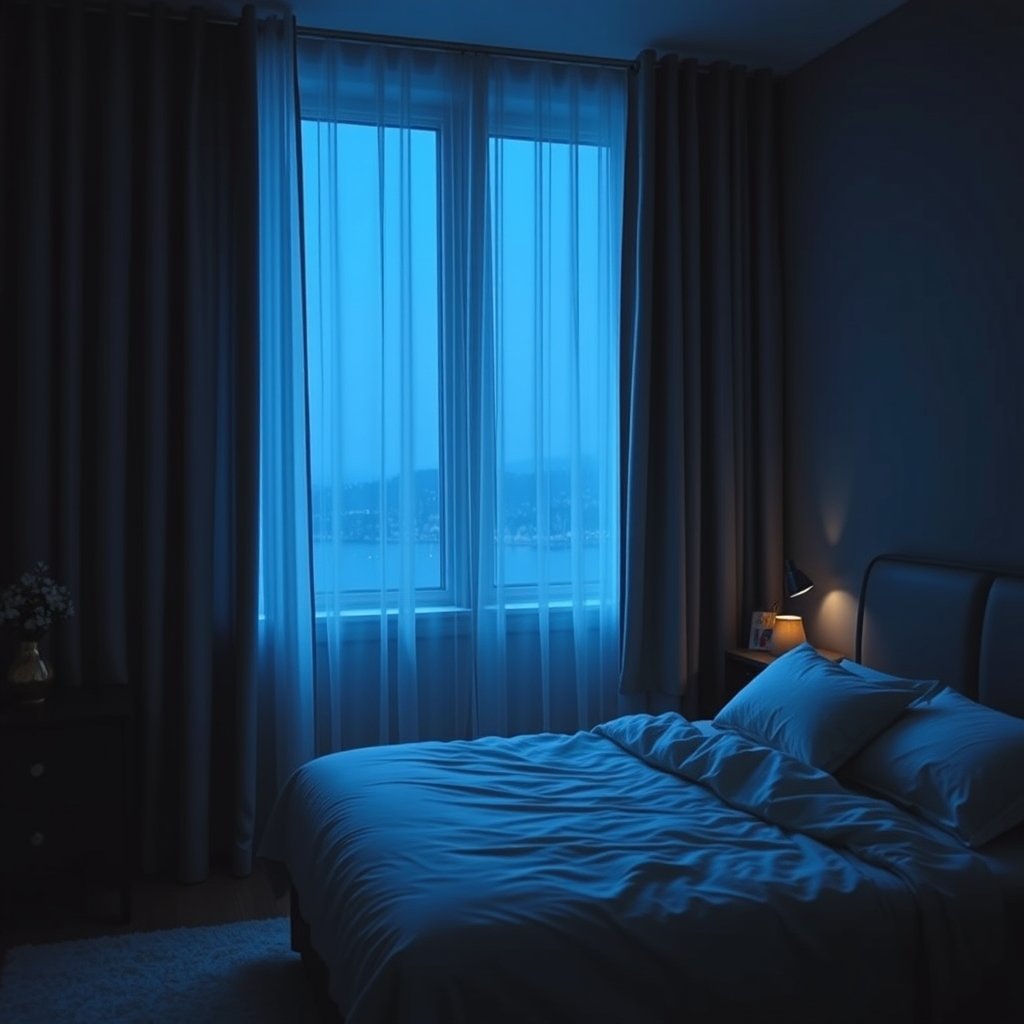
Cutting noise, light, and energy waste in the bedroom is more achievable than ever — but real performance comes from treating blackout curtains as a full system. Prioritize full-length, well-sealed, multi-layer panels; add robust hardware; confidently address installation details; and focus on measured specs like R-value and NRC/dB ratings.
If you want the best results from your blackout curtains, use the checklist above, measure twice, and don’t skimp on installation or cleaning. For renters and homeowners alike, it’s one of the smartest, fastest upgrades for real sleep, comfort, and savings.
Ready to take action? Start with your measurements now, choose the right hardware, and test for leaks after install. For more ways to upgrade your living experience, read our deep-dive articles on DIY décor and cutting home energy costs.
FAQ — blackout curtain myths and real answers
Are blackout curtains really soundproof?
No. “Noise reducing curtains” dampen street noise, voices, and traffic up to 7–10 dB, mainly in mid- and high frequencies, but do not fully block sound. For best acoustic results, combine curtains with window inserts or acoustic panels.
Do blackout curtains work for baby/toddler rooms?
Yes, when installed to cover all light gaps. They are safe for nurseries but keep cords, ties, and hardware out of reach for child safety.
How much energy can blackout curtains save?
Well-installed energy saving window curtains can reduce window-related heat loss by up to 10% in winter and heat gain by around 33% in summer. Typical power bill savings range from 10–24% depending on curtain and window type.
What’s the best way to clean thick blackout curtain liners?
Vacuum both sides weekly using a soft brush attachment. For spot stains, use a damp microfiber towel. Follow label instructions — some thick curtains require professional or dry cleaning.
—