

### Blog Post:
Raised garden bed setups are transforming home food growing in 2024. They are practical, custom-fit for small spaces, and quickly repay your investment—if you pick the right design and avoid common mistakes. Whether you’re a budget DIY gardener or want a modern prefab metal solution, this guide will help you choose or build a raised garden bed that fits your needs and lasts for years.
Key Takeaways
- The global raised garden bed market is booming, with metal beds growing 12 percent year over year and now capturing nearly a third of market share by 2028.
- Cost versus long-term durability is the main decision factor: Wood is cheap but short-lived; metal costs more up front but lasts decades with low maintenance.
- Most guides miss critical details—get your soil mix right, plan smart crop layouts for small spaces, and pick materials that fit your climate, time, and budget.
- Quick snapshot — why raised beds now?
- What matters most when choosing a raised bed (the three real pain points)
- Material showdown — wood vs metal vs composite (decision matrix)
- Deep-dive durability and lifecycle cost (what the top guides miss)
- Soil mix that wins — exact formulas for productive raised beds (what guides skip)
- Crop-layout planning to maximize yields (what guides skip)
- Best raised bed designs and sizes for vegetables (practical recommendations)
- Buying vs building metal raised planters — cost, tools and timeline
- Maintenance checklist (minimal upkeep for maximum longevity)
- Regional buying and price expectations (Where to shop and what to expect)
- Quick build guides and 7 low-cost DIY raised bed ideas
- Troubleshooting common problems (drainage, pests, warping, soil compaction)
- Final checklist — How to pick the best raised bed for your vegetables in 10 minutes
- FAQs
Quick snapshot — why raised beds now?
Raised garden beds are a hot investment in 2024. The global market is worth about $1.3 billion, with metal beds growing at 12 percent year over year. Urban and suburban gardeners want more control over soil, drainage, pest resistance, and yields. Today’s raised bed kits are more modular, attractive, and easy to assemble—and high-value kits are overtaking bargain shoppable lists, especially in cities where space is at a premium.
Metal beds are the fastest growing segment, projected to reach about 30 percent of the market by 2028. People want something durable, modern, and low-upkeep, so wooden and composite options are also being upgraded to compete. This is part of a bigger movement in home landscaping, where higher-value, longer-lasting garden infrastructure is on the rise.
What matters most when choosing a raised bed (the three real pain points)
For DIY gardeners, the top three decision criteria for any raised garden bed are:
- Durability: Will it rot, rust, warp, or otherwise fall apart in a few seasons?
- Maintenance: How much time and effort does it take to keep it productive and looking good?
- Upfront cost: Does the sticker price pay for itself in years of use, or will you be rebuilding soon?
According to market research, wood raised beds still account for just over 45 percent of unit sales, mainly because they’re cheap and easy to DIY. But many end up replacing rotted wooden frames every 4 to 10 years, depending on species and care. Metal raised planters are gaining ground (over 12 percent YoY growth), thanks to 20–30 year lifespan claims and very low upkeep rates.
Think about your actual needs and constraints: Are you on a tight budget and like to build things? Go with wood, but be ready for extra maintenance. Want to set and forget? Go with a pre-made metal raised planter. If you’re somewhere in the middle, composite or modular options might work best.
Material showdown — wood vs metal vs composite (decision matrix)
Choosing the best material is about balancing budget, lifespan, and aesthetics with ongoing upkeep. Here’s a reality-based comparison to help you decide:
| Material | Typical Lifespan | Maintenance | Common Issues | Best For | Cost Range |
|---|---|---|---|---|---|
| Wood (cedar, redwood, fir) | 4–10 years | High: Needs sealing or treatment, checks for rot | Rot, warping, pest damage | Budget DIY | $70–$120 (basic kit) |
| Metal raised planter (galvanized or powder-coated steel) | 20–30 years | Low: Occasional rust touchup | Potential for corrosion at joints, heat in hot climates | Low-maintenance, modern design | $150–$500 (mid-range), $800+ (premium) |
| Composite/plastic lumber | 10–20 years | Very Low | Color fading, UV brittleness | Modular, stackable systems | $120–$350 |
Wood is still popular because it’s easy and affordable, but if you want an elevated garden planter that’s nearly maintenance-free and will outlast wood several times over, metal is the clear winner. For style-conscious gardeners, designer metal raised planters are trending, especially for balcony or patio zones with modern aesthetics.
To explore how foundational materials drive performance in garden setups, see our in-depth piece on structural elements in environment design.
Deep-dive durability and lifecycle cost (what the top guides miss)
Most buying guides just share upfront prices—but smart buyers look at total cost of ownership. Wooden kits at $70–$120 seem cheap, but if you’re replacing them in five years, long-term cost goes way up. Metal beds—with most now made from galvanized, powder-coated, or aluminum steel—last two to three decades, deliver stronger resale value, and require far less maintenance.
Typical maintenance for an elevated garden planter made of metal is seasonal rust-checking and occasional hose-down. Wood needs annual sealing, rot repair, and corner reinforcement. End-of-life is an issue too: Most metal beds are recyclable, while treated lumber must be disposed of carefully due to chemical treatments.
According to durability data, metal raised beds reliably last 20–30 years, while most wood beds last 4–10 depending on climate and wood type.
Soil mix that wins — exact formulas for productive raised beds (what guides skip)
Soil quality is the underrated secret behind healthy, productive raised garden beds. For most vegetables and herbs, use the proven University of Minnesota Extension recipe:
- 2/3 to 1/2 topsoil (preferably loam or sandy loam; avoid heavy clay or sand)
- 1/2 to 1/3 plant-based compost (well-aged to avoid weed seeds)
- Optional: Add coarse sand (10–20 percent) if extra drainage is needed for root crops or in rainy climates
Buy bulk soil by the cubic yard for better value. For a 4×8 ft raised bed at 12 in depth, you’ll need about 1.3 cubic yards. For a 2×4 ft balcony bed, bagged organic soil works, but try mixing your own for cost savings. Leveraging DIY raised garden bed ideas? Reuse old potting mix by blending in fresh compost and perlite or vermiculite to refresh drainage—never fill with only native dirt.
Get sourcing tips and more soil hacks in our report on how natural systems accumulate nutrients.
For high-quality convenience, consider a dedicated soil mix as your starting point or to rejuvenate your beds.
Crop-layout planning to maximize yields (what guides skip)
Bed size is limited, so planning is critical for maximum harvest. Here’s what most beginner guides skip:
- Row vs block: Block or square-foot planting is best for small spaces; it keeps soil covered and cuts down on weeds. Use row layout for large single crops.
- Plant spacing: Use plant spacing tables or apps; overstuffing is the most common mistake. Tomatoes and sunflowers need 18–24 inches, lettuces and greens 6–12 inches.
- Companion planting: Pair carrots with onions, tomatoes with basil, marigolds around borders for pest repellent.
- Sun orientation: Place taller plants (like tomatoes, corn) on the north side of the bed. This avoids shading out lower crops to the south and east. Failing to do so is a common yield-killer (read the full source here).
- Trellising: Use vertical structures for peas, beans, and cucumbers in small or balcony beds.
- Succession planting: Replant quick crops (like radishes) after your first spring harvest to boost yearly output.
For more advanced tips on maximizing output in layered gardening systems, read our article about dynamic movement and transformation in garden systems.
Best raised bed designs and sizes for vegetables (practical recommendations)
The best raised bed for vegetables is one that fits your available space, crop goals, and comfort. Here’s what research and practical experience agree on:
- Minimum depth: 8 inches works for shallow greens, but 12–18 inches is best for most vegetables and root crops.
- Width: 3–4 feet wide is ideal for easy reaching from both sides; for balconies and narrow patios, 18–24 inches deep beds work best.
- Length: 4–8 feet is standard but keep it modular—several smaller beds beat one giant one in hard-to-reach spaces.
- Elevated garden planter: If you want ergonomic, low-back-pain gardening or wheelchair access, use waist-high (32–36 inch tall) beds with bottom slats or full platforms.
Innovation is trending fast, with stackable and modular solutions letting you adapt to small footprints or expand as your needs grow. Modular metal beds and composite blocks are now easier to source for flexible layouts.
Want more on the connection between structural design and gardening success? Check our deep-dive on conditioning elements for sustainable garden yields.
Buying vs building metal raised planters — cost, tools and timeline
If you’re considering a metal raised planter, your main decision is build or buy. Here’s how it shakes out:
- Pre-made metal kits: Quick to assemble (30–60 minutes with basic wrenches), minimal required tools, higher up front cost ($150–$500 for mid-range, over $800 for designer models). Warranty and durability are excellent.
- DIY metal build: Cheaper for large beds, but you’ll need a saw, drill, protective gear, sheet metal or panels, angle brackets, corrosion-resistant fasteners, and quality primer/paint. Plan for a 3–4 hour build for a first-timer. You need moderate DIY skills and a safe workspace.
- When is prefab worth it? If you value your time, need a guarantee, or want modern looks, prefab wins.
Wooden kits are still budget kings at $70–$120 for a typical starter bed, but metal’s cost is offset by its 20–30 year lifespan.
Browse our storage system guide for more tips on smart tool wrangling and build efficiency in compact spaces.
Maintenance checklist (minimal upkeep for maximum longevity)
A strong raised garden bed is low-effort, but still needs some attention:
- Metal raised planter: Check for rust or paint chips once a year. Touch up with rust-inhibiting paint. Hose down to clean. That’s it for decades.
- Wood beds: Inspect seams for rot every spring. Reseal or repaint yearly (especially the bottom few inches). Replace warped or split boards as needed.
- Composite beds: Rarely need attention—just clean off mildew or algae.
- All types: Replenish soil with fresh compost or slow-release fertilizer at least once a year. Check for sinking or shifting; prop up as needed.
Research confirms: metal beds require minimal maintenance, yet last the longest (see the full guide).
Regional buying and price expectations (Where to shop and what to expect)
The raised garden bed boom is strongest in North America’s Sun Belt and Pacific Northwest, with Western Europe and Asia-Pacific (especially China, Japan, South Korea) close behind. In high-demand areas, expect premiums on metal beds and delays in spring. Try direct from manufacturer for best deals, or shop local garden center clearances in late summer. Bulk soil delivery saves big if you buy more than a half-yard.
For extra value, look into bulk landscape supply companies or importers. Find out more about the landscaping product surge in our overview of U.S. landscaping trends.
Quick build guides and 7 low-cost DIY raised bed ideas
Want to save money and boost quality? Try these proven DIY raised garden bed ideas, ranked by cost and skill needed:
- Pallet wood box: Free to $40. Needs saw and drill. Not for permanent beds (2–3 year life), but great for seasonal quick-starts.
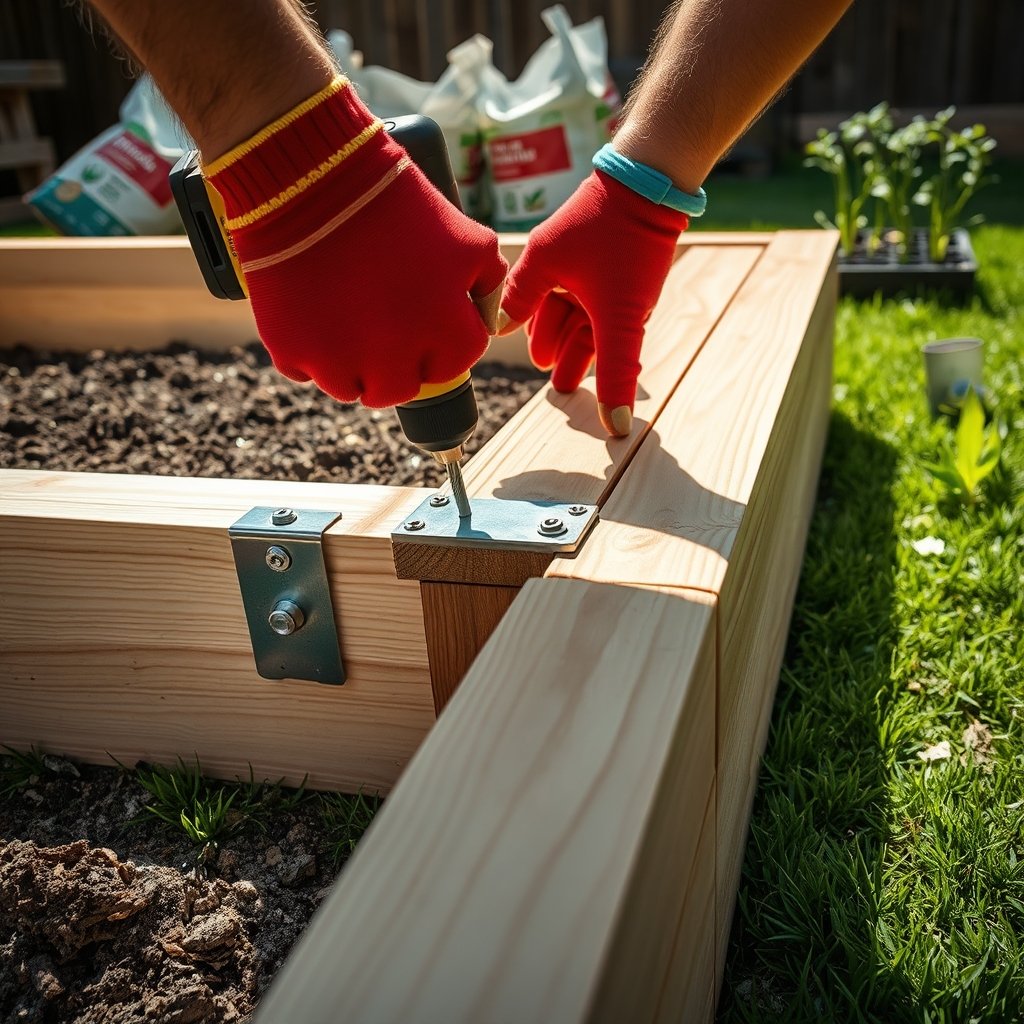
- Cedar plank bed: $70–$120. Use deck screws, simple brackets, and 1-inch thick cedar; lasts longer and is rot resistant.
- Galvanized sheet metal bed: $100–$200. Build with U-channel posts and 2×4 wood for corners. Use self-tapping metal screws. Lasts two decades.
- Recycled composite planter: $120–$200. Source offcuts from deck builders or find weatherproof boards at suppliers.
- Elevated garden planter: $120–$300. Builds like a table with a slatted or plywood bottom. Adds accessibility and easy draining.
- Stackable block system: $150–$350. Use prefabricated interlocking blocks—no saws needed. Adapts well to odd-shaped patios.
- Concrete block or brick bed: $200+. Indestructible, great for permanent plots, but rarely used on balconies due to weight.
DIY ideas keep costs way down (wood kits $70–$120 vs metal $150–$500), but you trade some lifespan for savings—especially with lower-cost lumber beds. For more low-cost innovation, check our guide to affordable backyard upgrades.
Troubleshooting common problems (drainage, pests, warping, soil compaction)
No raised garden bed is totally problem-free. Here’s how to spot and fix the most common issues:
- Poor drainage: If water pools after rain, drill more drain holes at the base or add gravel to the bottom layer. Use well-mixed soil, not compacted earth.
- Soil loss: To prevent washout at corners, install weed fabric or hardware cloth as a lining. Top up soil yearly.
- Metal corrosion: Watch for brown streaks at seams or screw holes. Sand down rust and apply rust-proof paint right away.
- Wood rot: Remove and replace soft, crumbling wood. Attach corner braces or scrap blocks to shore up joints.
- Pests: Lay down wire mesh under the bed for burrowing critters. Use floating row covers for insects.
- Soil compaction: Rake and re-loosen soil every spring. Add fresh compost for fluffiness and root health.
Durability, maintenance, and cost are the top user complaints—addressing those with early prevention is what keeps your raised garden bed performing for years.
Final checklist — How to pick the best raised bed for your vegetables in 10 minutes
Ready to choose? Run down this fast list:
- How much space do you have? (Balcony, patio, yard—measure twice.)
- What’s your total budget, including soil? Can you pay more up front for longer life?
- How many years do you want it to last? (Metal: 20–30 years, wood: 4–10 years)
- What crops do you want to grow (deep roots need 12–18 inch beds)?
- How much maintenance are you willing to do every year?
- Do you want to DIY or buy a kit?
- How important is the “look” (modern, natural, rustic)?
- Do you need accessibility (e.g., an elevated garden planter)?
Remember, the best raised bed for vegetables is the one matched to your needs—not just the cheapest. Metal is growing at about 12 percent yearly because it’s a low-hassle, long-haul investment. Start today: Pick your material, size, and soil, and begin reaping the rewards of your own raised garden bed.
FAQs
What is the best soil mix for a raised garden bed?
Use a blend of 2/3 to 1/2 topsoil and 1/2 to 1/3 compost. Adjust with coarse sand for drainage, especially in wetter or clay-heavy regions.
How long do metal raised garden beds last?
Most quality metal raised garden beds last 20–30 years with minimal upkeep, far outlasting most wooden and some composite options.
Can I put a raised garden bed on a concrete patio or balcony?
Yes, but ensure it drains freely (choose bottomless beds or add drainage holes) and avoid overloading weight on balconies—stick to smaller or elevated garden planter models.
Is it cheaper to build or buy a raised garden bed?
Wooden DIY beds are cheapest upfront, but require replacement sooner. Metal kits cost more initially yet save money over two or three decades of use.
What’s the biggest mistake raised bed gardeners make?
Poor soil mix and overcrowding. Don’t skip quality soil or crowd plants—plan layouts by mature size and stagger tall plants to the north side.
—