

### Blog Post:
Mini split heat pump installation cost is one of the most confusing and debated numbers for homeowners and property managers debating the switch to ductless HVAC. The goal of this guide: break down real 2024–2026 price ranges, get you past vague online estimates, and clearly outline where your budget risks and opportunities lie.
Key Takeaways
- In 2024–2026, installed mini split heat pump costs can fall anywhere from $1,200 to over $14,500—your actual price depends far more on zone count, BTU, and install complexity than on the brand.
- DIY can save $1,000–$2,000 for a single zone, but pro help is usually a must for refrigerant and electric work—and total costs rise quickly with more zones.
- Regional pricing and pro sizing tool accuracy aren’t transparent, so requesting multiple local quotes is necessary to avoid being overcharged or mismatched.
- Executive snapshot — What a buyer should expect to pay in 2024–2026
- Why zone count, BTU sizing and complexity matter more than brand
- Cost breakdown by number of zones (single‑zone through multi‑zone)
- Cost by BTU size — common unit price examples and installed ranges
- Labor and per‑zone installation costs — where the money goes
- DIY vs Professional install — realistic cost savings and risks
- Common user complaints and post‑installation regrets — mini‑split vs central air
- Sizing calculators & professional tools — what the research found and what’s missing
- Brands, models and value — how to pick the best mini split in 2026
- Regional pricing note & why you’ll need local quotes
- Practical next steps — checklist for getting quotes and avoiding cost surprises
- FAQ / mythbusting
Executive snapshot — What a buyer should expect to pay in 2024–2026
For most homeowners in the U.S., mini split heat pump installation cost lands between $1,200 and $14,500 from 2024 through 2026, based on actual project cases and aggregated quotes.[2] Where your cost will fall depends on your zone count, the BTU size of each unit, and how tricky the system is to install—not the brand decal on the box.
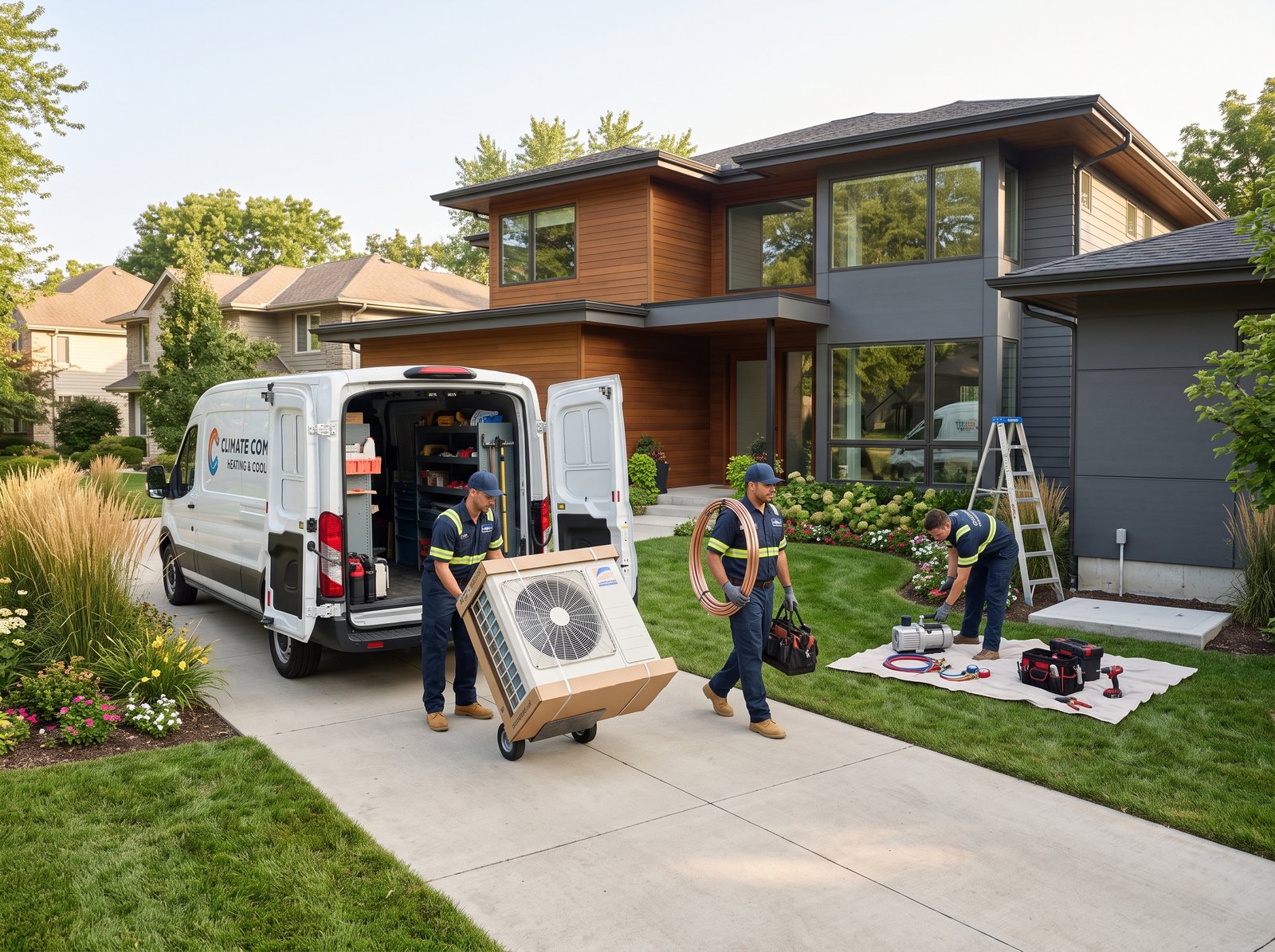
In summary, expect:
- Single-zone DIY single-zone install: $900–$1,800
- Single-zone Pro: $1,500–$3,500 (typical installed averages)
- Multi-zone systems: $3,000–$8,000+ and up, sometimes passing $10,000 with four or more zones or complex homes.[1]
Don’t get stuck on “average” numbers. If you’re covering only a bedroom, the bottom of that scale applies. If you’re conditioning a whole home with 4 or more zones, you could be quoted 5 figures—especially where labor rates run high and access is tough.
Why zone count, BTU sizing and complexity matter more than brand
Brand is not the main cost driver for mini split heat pump installation cost. Instead, zone count (how many areas you want conditioned), BTU sizing (how much capacity each space really needs), and installation complexity (wiring, wall access, line set runs) determine your bottom line. Research shows that zone count, BTU sizing, and complexity move the total cost more than any brand name or efficiency rating ever will.[2]
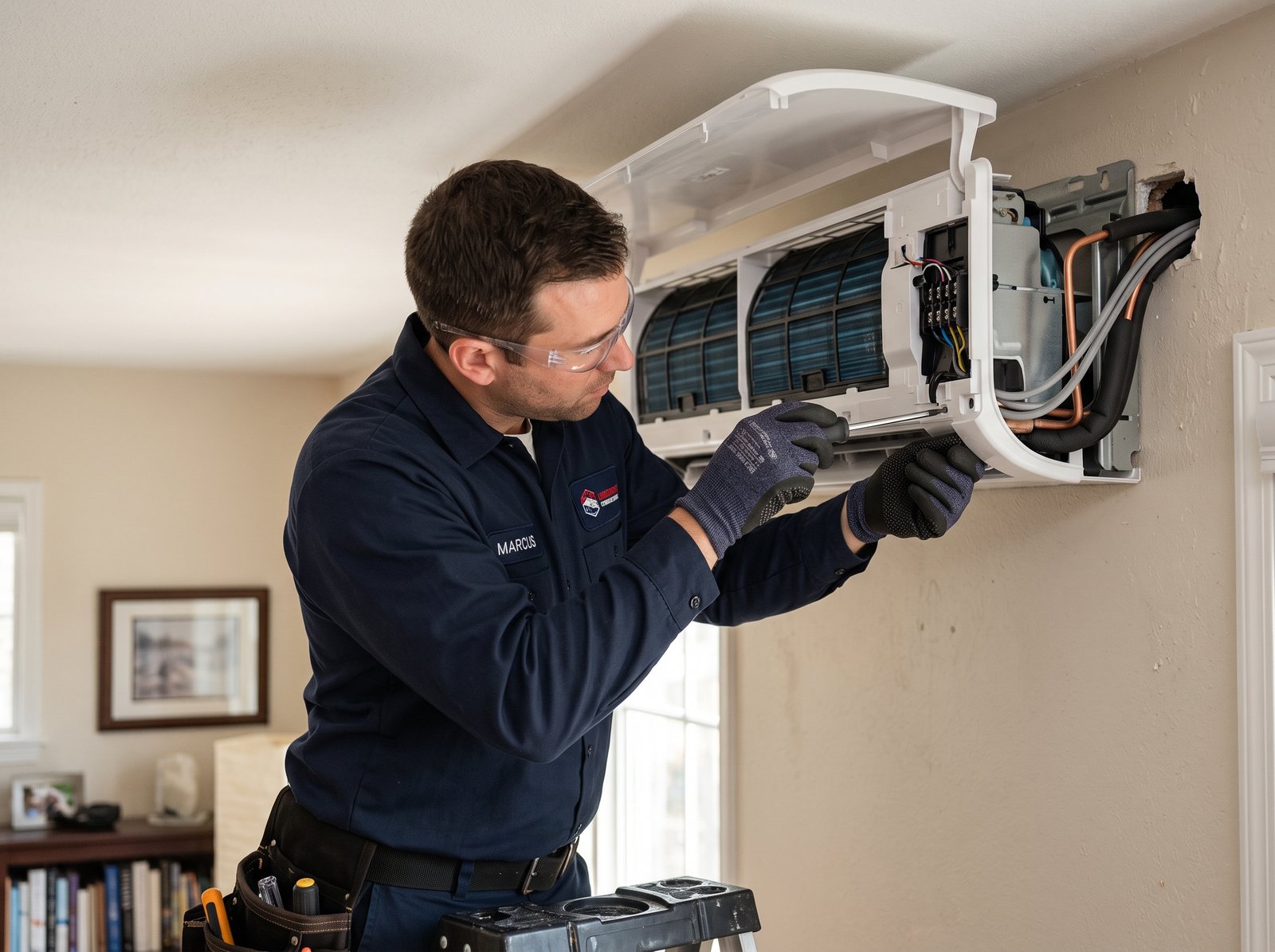
For reference, the “best mini split brand 2026” won’t save you much money if you oversize or over-zone your system, or if local labor costs spike your install. Focus your research on proper sizing and easy placement over brand sticker shopping—unless you’re comparing features like service coverage or warranty terms.
Curious about the bigger picture on climate efficiency and BTU optimization? See our guide to foam insulation vs fiberglass for cost-saving envelope upgrades that affect your final sizing requirements.
Cost breakdown by number of zones (single‑zone through multi‑zone)
Here’s what the research and reported user invoices show about install cost by the number of zones:
| System Type | DIY Cost Range | Pro Installed Cost Range | Common Use Case |
|---|---|---|---|
| Single-zone (1 area) | $900–$1,800 | $1,500–$3,500 | Bedroom, home office, garage |
| Two-zone | DIY rare | $3,500–$7,000 | Living room + bedroom |
| Three-zone | DIY very rare | $6,500–$9,500 | Open concept, multi-room small home |
| Four+ zones | Not typically DIY | $10,000–$14,500+ | Whole house, multiplex, old home |
Della and Bryant sources indicate that three-zone projects and above almost always climb above $7,500 before electrical add-ons.
Looking for more ideas on how home projects scale as you add zones or coverage areas? Try our window replacement cost 2024 guide for multi-room cost breakdown comparisons.
Cost by BTU size — common unit price examples and installed ranges
Matching your room to the right BTU size is key for both comfort and budget. Here are real 2024–2026 installed price examples for common single-head BTU capacities:
- 12,000 BTU: $1,399–$1,899 installed
- 18,000 BTU: $1,599–$2,199 installed
- 24,000 BTU: $2,149–$2,849 installed
The bigger the BTU, the more expensive the unit and the longer the labor. Multi-head (multi-zone) outdoor systems sized at 36,000 BTU or higher can push installed price above $7,500, particularly in older homes or complex layouts.[2]
Unsure which size is right? Use a reputable mini split sizing calculator as a reality check before any quoting.
For room-specific hacks to keep your BTU needs lower (and project cost down), explore energy saving window curtains and insulation upgrades.
Labor and per‑zone installation costs — where the money goes
Labor is often the single biggest cost outside of the basic hardware—especially for multi-zone systems. Here’s what to expect:
- Typical labor ranges from $500 to $2,000 per zone, depending on wall accessibility, wiring distance, types of indoor heads (wall, ceiling, or floor), and permit wrangling.[4]
- Reported single-zone install labor: $187–$3,615 (reflects outlier cases like multi-day installation or extra crew).
- Common adders: new breaker box, concrete wall penetration, multi-story or concealed line sets, electrical upgrades, condensate pumps, extra wall/ceiling repair.
Pro tip: These add-ons are rarely included in “bundled” quotes—ask for a detailed line-item breakdown.
For labor breakdown comparisons, see also our latest writeup on whole home generator installation cost.
DIY vs Professional install — realistic cost savings and risks
Is mini split installation DIY really worth it? Many homeowners are tempted by the promise of saving $1,000–$2,000. Here’s how the numbers stack up:
- DIY single-zone install: $900–$1,800 range (often with a DIY-friendly MRCOOL system)
- Professional single-zone install: $1,500–$3,500 is the most-quoted range, but all-in invoices can land higher with labor adders.
- In other words: DIY can cut out a major chunk of labor markup on smaller jobs, but the savings typically disappear for large, multi-zone setups that still require pro commissioning.
But the risk: You’ll still need a licensed HVAC technician for refrigerant line evacuations, pressure testing, and possibly to obtain local electrical permits. You also take on full responsibility for any warranty lapses or failures that result from DIY missteps.
Some homeowners report DIY kit costs for a basic 12,000 BTU head at $900–$1,200, but when pro labor for final hookup is counted, the total climbs to $3,900–$4,600.[9]
If you’re partial to hands-on projects or want other lower-risk DIY upgrades, our peel and stick backsplash guide is a trending resource for easy wins that never require a permit.
Common user complaints and post‑installation regrets — mini‑split vs central air
What do real users regret most after switching to ductless mini splits?
- “Coverage shock”: Mini splits work best with doors open—if you’re used to the even, everywhere-chilled air of central ducts, expect hotspots (and cold spots) unless you buy more zones or use portable fans.
- Maintenance: Monthly cleaning of indoor head coil screens is critical, especially in homes with pets or dust-prone environments.
- Slower whole-home heat: It can take longer to bring an entire house to temperature, as opposed to a large, ducted furnace blast. This is often reported in colder climates or large multi-level homes.
Many users still feel that ductless mini split vs central air is a value trade-off worth making—especially for homes without existing ductwork. Just know what you are and are not getting, and factor aesthetics and maintenance into your final decision.

Sizing calculators & professional tools — what the research found and what’s missing
Most buyers start with online calculators to estimate required BTU size per room or zone. However, our research did not identify which mini split sizing calculator tools professionals actually rely on, nor any data on the real-world accuracy of these web tools.
This is a significant information gap. To compensate, ask your contractor what sizing methodology they use (Manual J, advanced apps, or “rule of thumb”). Always verify their calculation using at least two online calculators yourself, and ask to see their work for transparency. If you find inconsistencies, get a second opinion before committing.
For an example of buyer-focused cost transparency, check out our full report on smart thermostat installation costs for up-to-the-minute pro and DIY benchmarks.
Brands, models and value — how to pick the best mini split in 2026
Don’t get locked into picking the best mini split brand 2026 based only on brand loyalty or efficiency marketing. Here’s how to prioritize:
- Check warranty coverage in your area, and confirm local service tech availability for your chosen brand.
- Ask about replacement part lead times—in some rural or less-common markets, brand choice directly impacts how fast you can get a repair.
- Compare SEER2 (efficiency) scores, but don’t overpay for features—source data says “install complexity, size, and zone count” affect mini split heat pump installation cost far more than price bumps for ultra-high efficiency models.[6]
Always make brand discussions your last step after confirming sizing, number of zones, and local labor conditions. For more advice on comparing high-value appliance picks where service matters, see our best air quality monitor for home guide.
Regional pricing note & why you’ll need local quotes
National cost ranges are just your starting point. The research did not break down mini split heat pump installation cost by region, so reliable state-by-state or city-by-city averages aren’t available. Labor rates, permit costs, and climate rules vary massively—add $500–$2,500 more in high-cost-of-living or cold-weather zones.
Checklist to get comparable accurate local quotes:
- List number of rooms/zones and rough square footage for each space.
- Use a mini split sizing calculator to estimate total BTU before any call.
- Ask each installer for a complete breakdown: separate equipment, labor, and permit fees.
- Request the quoted model, SEER2 efficiency, and confirm warranty coverage.
- Always get at least 3 bids from local, licensed HVAC pros—and compare apples to apples.
If you want more investment-proofing for your home, don’t miss our resource on home energy efficiency upgrades, which directly affect your ideal mini split size.
Practical next steps — checklist for getting quotes and avoiding cost surprises
Here’s a fast-action checklist to help you shop smart and avoid the most common cost overruns or installation mismatches:
- Measure each room you want to condition and write down the square footage.
- Run your data through two different mini split sizing calculators.
- Decide if you want single or multi-zone; balance cost with the actual need for closed-room cooling/heating.
- Request line-item labor, permit, and model numbers in writing from each installer.
- Verify that refrigerant charging and electrical work will be handled by licensed pros (if not DIY).
- Ask and confirm if all wall or ceiling patchwork is included in the total price.
- Don’t sign before you get three quotes—single-zone pro installed runs $1,500–$3,500 in most cases, so benchmark against this range.
- Check specifics on the warranty, refrigerant replacement costs, and maintenance support.
Curious about more value-adding home upgrades to compare as you plan your budget? See what’s trending in garage conversion ADU costs to increase square footage at lower risk.
Conclusion
Mini split heat pump installation cost is highly customizable, and the real price boils down to your zone count, BTU sizing, and local labor—not the logo stamped on the box. For 2024–2026, expect to pay $1,200 to $14,500, with most homeowners landing in the $1,500–$3,500 range for single-room pro installs and crossing $10,000 for complex multi-zone whole-house solutions. Your next step: use a mini split sizing calculator, prep your sizing details, and demand at least three competing line-item quotes before you commit. Ready to take control? Get your rooms measured and start comparison shopping today.
Quick FAQ / mythbusting
Can I do mini split installation DIY and save money?
Yes—single-zone kits (especially MRCOOL) can be installed by handy homeowners, whose reported costs range $900–$1,800. However, you’ll still need a pro for refrigerant line testing, electrical, or permit sign-off. DIY often saves $1,000–$2,000 but includes more risk and no labor warranty.
Will a ductless mini split replace central air in my home?
It depends. Mini splits without ducts are highly efficient and good for zoned comfort. However, homes set up for central air may experience uneven coverage, and heating larger or multi-level homes can take longer. Read up on ductless mini split vs central air for key design and comfort trade-offs.
How long does mini split installation take?
For a single-zone system, pros can usually complete install in 4–8 hours. Multi-zone jobs may take 1–3 days, especially in older homes or where long line sets and electrical upgrades are needed.
What is the true cost for a single 12,000 BTU mini split unit?
Unit-only cost is usually $900–$2,000, but total installed price by a pro is generally $1,500–$3,500. Reddit users and other direct bill reports confirm “all-in” prices sometimes climb to $3,900–$4,600, especially where labor rates are high.
Is professional sizing important if online calculators exist?
Absolutely. Research did not confirm which calculators pros use or their accuracy, so always have your installer show their sizing process. Discrepancies happen—trust but verify for best comfort and efficiency.
—