

Mudroom addition ideas are one of the highest impact, most searched home upgrades for suburban owners who want better function and resale value—without regret. If you want your remodel to pay off, the reality is it takes close budgeting, proven layouts, and smart choices on features and materials. Here’s exactly what to do (and what to avoid) to turn dead entry space into a high-ROI asset.
Key Takeaways
- Well-planned mudroom additions can boost daily function and home value, but real ROI depends on budget discipline and layout.
- Pitfalls like moisture buildup, poor bench sizing, and cluttered storage are common—each has proven fixes covered here.
- Eco-friendly and accessibility features are not just nice-to-haves; they future-proof your mudroom for buyers and aging-in-place.
- Why Add a Mudroom? The Functional and Financial Case
- Cost vs ROI — A Practical Tiered Breakdown (Low, Mid, High)
- Layout Fundamentals — Smart Mudroom Layout Ideas that Work
- Mudroom Bench with Storage — Design Choices and Common Post-Install Complaints
- Small Entryway Storage Solutions — Big Impact in Tight Spaces
- DIY Mudroom on a Budget — Project Plans, Time, and Cost-Saving Hacks
- Sustainability and Materials — Reclaimed, Low-VOC, and Durable Choices
- Universal Design & Accessibility — Future-Proofing Your Mudroom
- Moisture, Ventilation, and Maintenance — Avoiding Mold and Clutter
- Materials & Fixtures Shopping Checklist (Quick Decisions That Matter)
- Before-After Decision Guide — How to Choose: DIY, Partial Pro, or Full Custom Build
- Wrap-Up & Next Steps (Call to Action)
- FAQ
Why Add a Mudroom? The Functional and Financial Case
Mudrooms are not just a design trend—they are a functional “catch-all” that solves daily pain points and brings long-term value. Protect your main floors from grit, water, and pet mess, and carve out storage for shoes, coats, backpacks, and sports gear. For young families, a mudroom can make school mornings and rainy days much less stressful.
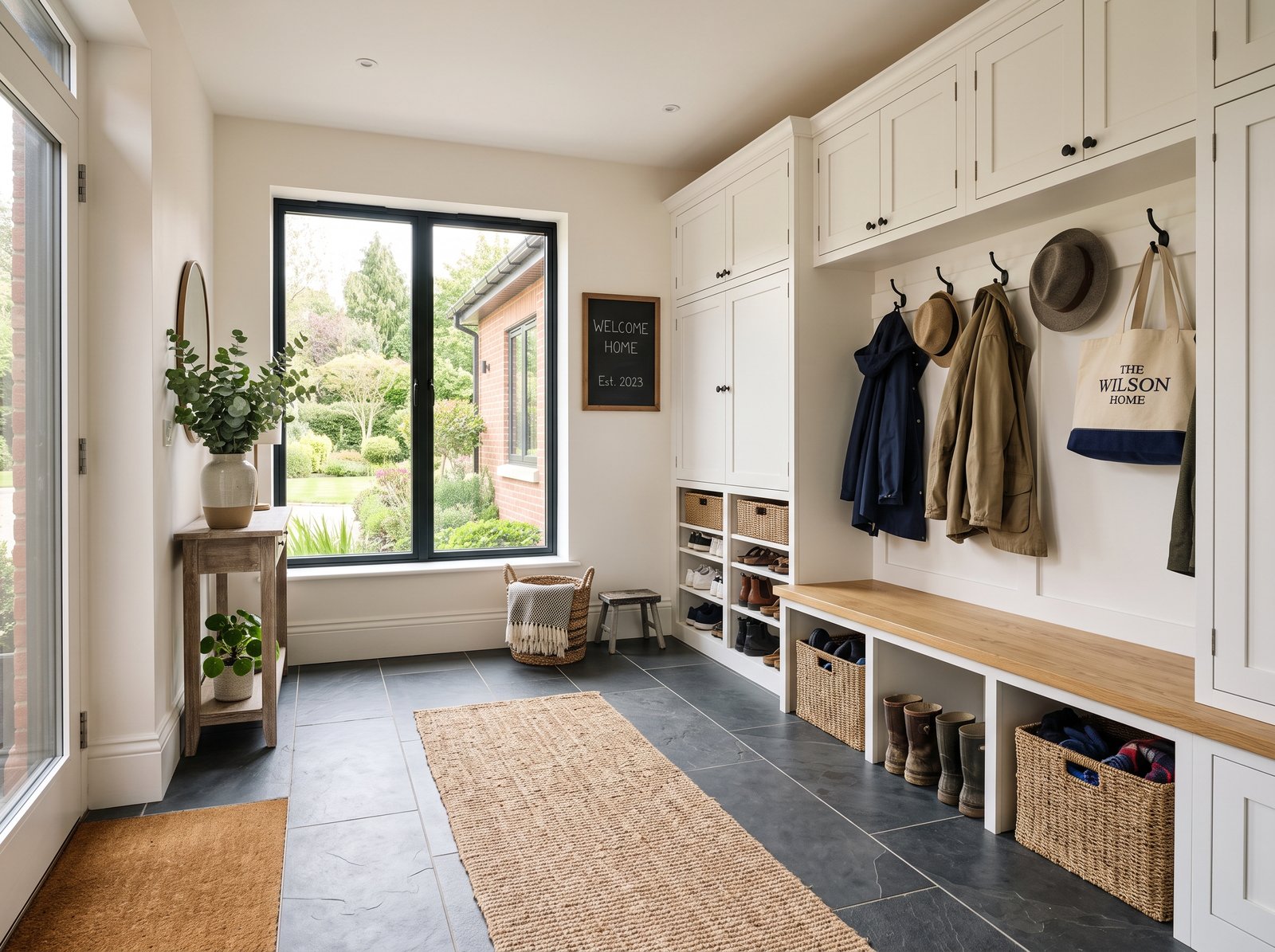
Buyers increasingly want homes with smart entry solutions. According to recent surveys, about 42% of U.S. homeowners reported either planning or recently adding a mudroom or dedicated entryway storage. Real estate agents consistently note that even a compact mudroom improves perceived value and helps listings stand out. [Source]
Ultimately, a mudroom is both a lifestyle upgrade and a strategic move to protect the rest of your home—and your investment.
- Related: Mudroom Addition Ideas: Budget and ROI Guide
- See Also: Garage Conversion ADU — For Expanding Entry Options
Cost vs ROI — A Practical Tiered Breakdown (Low, Mid, High)
Here’s what you can really expect to spend—and recoup—on mudroom addition ideas, based on project size and finish level:
| Budget Tier | Scope & Main Features | Realistic Cost Range | ROI Range (Industry) | Top Priority Features |
|---|---|---|---|---|
| Low (DIY/Repurpose) | Add locker, cubbies, bench; peel-and-stick flooring; hooks | $300–$1,000 | ~50–60% | Waterproof floors, functional storage, easy access |
| Mid (Small Add-on/Pro Install) | Framed alcove, tile flooring, custom bench, closets | $2,000–$7,500 | 55–65% | Durable tile, bench with storage, wall cubbies/lockers |
| High (Custom Addition) | Major build-out, heated floors, cabinetry, pet wash | $8,000–$25,000+ | 60–70% | Mud-safe surfaces, built-ins, flexible zoning |
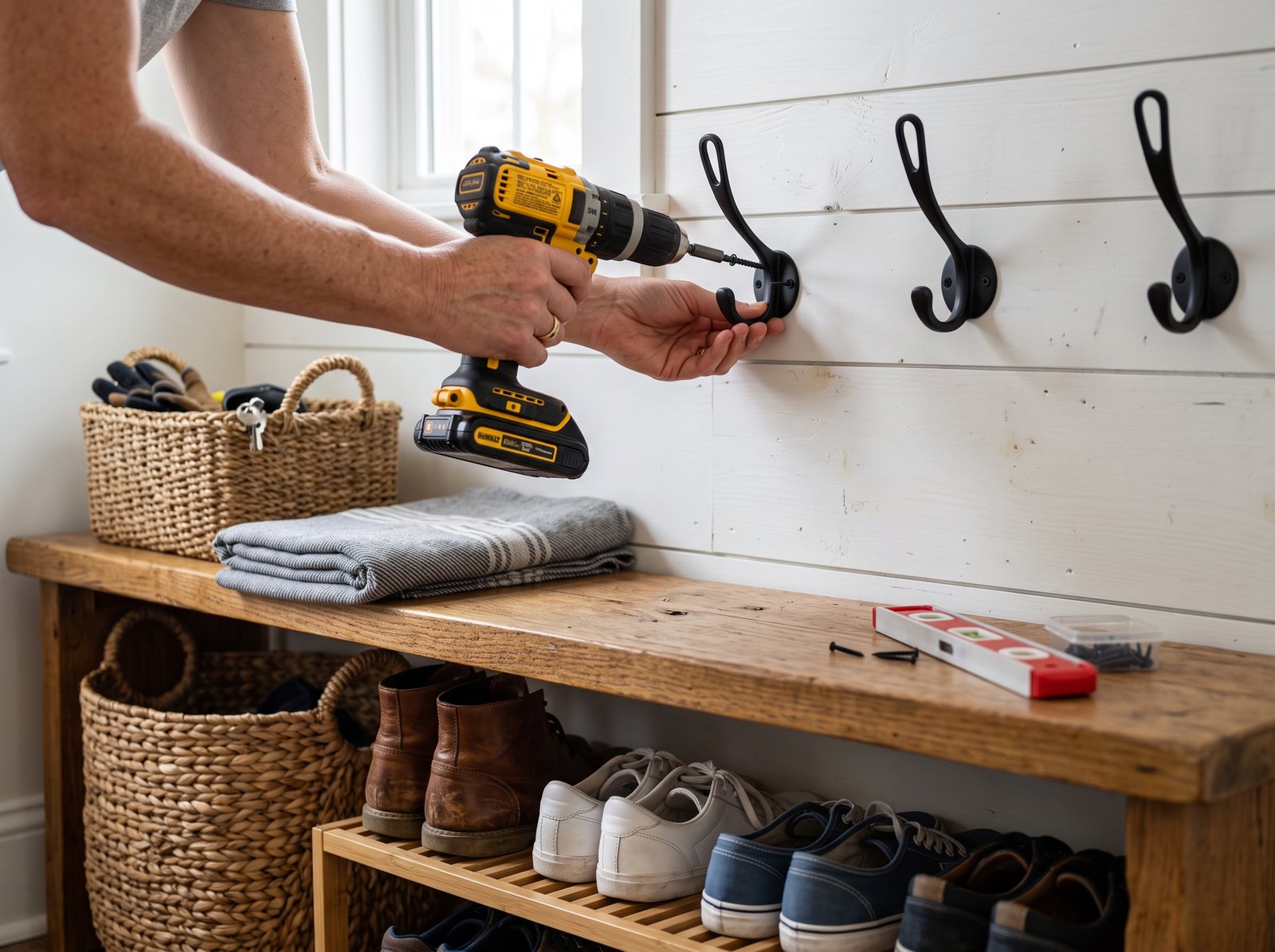
Global market data backs up these numbers. According to industry analysts, modest mudroom remodels achieve average ROI of 50% to 60%, with larger custom builds reaching 70% in some regions.
If you’re budget-focused, prioritize waterproof flooring, quality storage, and adaptability. For higher-end builds, include mud-safe surfaces, custom cubbies, energy-efficient lighting, and pet/utility features for the strongest payback.
Layout Fundamentals — Smart Mudroom Layout Ideas that Work
Every mudroom needs to do three things well: manage entry traffic, organize gear, and contain moisture or mess. To achieve this, use proven mudroom layout ideas that zone your space into shoe/drop zones, locker or closet area, bench/seat, and an optional wet gear section.
Entryway flow: Keep a clear path from the door to the rest of your home, using built-ins or narrow lockers parallel to the wall for small entryway storage solutions. Plan for at least 36 inches of aisle width—48 inches is even better if space allows.
Sample layouts:
- Narrow (3–5 feet wide): Use wall hooks, slim floating shelves, a 12-inch-deep bench, and shoe trays underneath.
- Medium (5–7 feet across): Go for split zones—bench and hooks on one side, a cabinet or stackable units on the other.
- Large (8 feet+): Install true lockers, deeper bench with lift-top storage, and a separate wet zone for boots or pets.
Don’t underestimate the value of a “good layout”—owners report that when the layout fits their family’s daily routines, the mudroom becomes a frictionless transition zone that continually adds value. [See research]
- For clutter prevention, build zones: hooks for coats and bags, baskets for hats/gloves, and a tray or liner for mud and water by the door.
- Explore more layout inspiration: All Homes Daily: Mudroom Addition Guide
Quick Prioritization Checklist for Limited Square Footage
- Is there 36″ minimum clearance?
- Which is more valued: seating or extra storage?
- Can vertical wall space be used for extra lockers or bins?
- Where is the highest moisture risk (pet area, winter boots)?
- How will you keep things easy to clean?
Mudroom Bench with Storage — Design Choices and Common Post-Install Complaints
A mudroom bench with storage is almost always on the wish list, but done wrong, it becomes a regret point. Get these technical choices right:
- Bench Depth: 15–18 inches is essential for comfortable sitting. Anything less and you’re perching on the edge.
- Lid and Hinges: Use heavy-duty, soft-close wide hinges. Standard cabinet hinges do not last under daily use.
- Ventilation/Drainage: If you store wet boots or gear inside, add holes/grommets for airflow or a sloped plastic liner.
- Inserts/Dividers: Prevent “black-hole” clutter by using bins, shoe racks, or internal cubbies.
Homeowner surveys highlight the recurring issues:
- Poor quality hinges/lids that break within a year
- Too-shallow benches that are uncomfortable
- Mold or water damage due to lack of ventilation or a waterproof liner
- Storage zones that become dumping grounds for unorganized clutter
Simple solutions: Use marine plywood or sealed MDF for inside the bench, and treat all seams with waterproof paint. Add removable washable bins, and ventilated zones for wet gear. Everyday cleaning becomes quick, and long-term odor/moisture issues are minimized.
- Read more practical tips: Garage Storage DIY Guide
- Related: Free Mudroom Bench Plans (Ana White)
Small Entryway Storage Solutions — Big Impact in Tight Spaces
If your entry is tiny, don’t skip the mudroom concept—there are still powerful small entryway storage solutions:
- Install vertical shelves or cubbies up the wall for shoes and hats
- Choose slim benches with open sides (12–15″ deep) or fold-down wall seats
- Wall-mounted metal lockers or stacked baskets
- Magnetic strips or pocket wall organizers for keys and mail
- Consider modular or rolling furniture for flexible use
Opt for durable hardware like powder-coated hooks and water-resistant bins. For flooring, try peel-and-stick waterproof tile or washable rugs for easy maintenance.
With more than 42% of homeowners seeking new entry storage for resale, these compact solutions are increasingly desirable—and can be easily added in a weekend. [Source]
- Discover more: Peel and Stick Backsplash Guide
DIY Mudroom on a Budget — Project Plans, Time, and Cost-Saving Hacks
Ready to go DIY? Start with these steps:
- Measure your entry width/depth and sketch a basic storage layout
- List must-haves: bench, hooks, baskets, waterproof flooring
- Materials List: MDF, marine plywood, ready-made cubbies, outdoor paint/primer, peel-and-stick waterproof tile, wall hooks, storage bins
- Tools Needed: Circular saw, drill/driver, stud finder, level, caulk gun
- Installation Timeline: Most projects: 8–16 hours over a weekend
- Skill Checkpoints: Wall mounting at studs, leveling bench, installing floor tiles
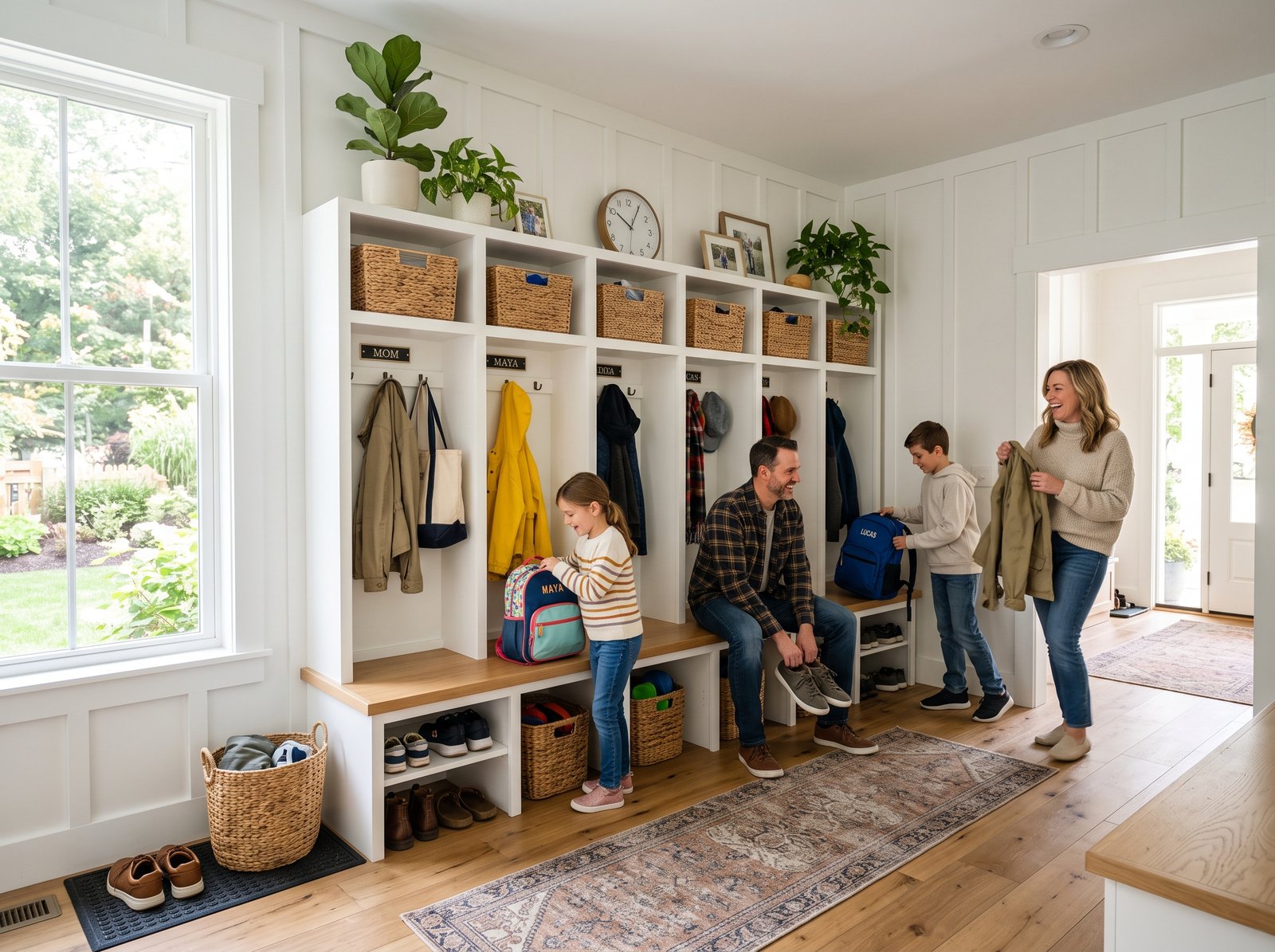
Key savings hacks:
- Buy pre-fab storage units, then customize the facing, trim, or top
- Salvage old cabinets, cut to bench size, and reinforce for seating
- Use peel-and-stick vinyl tiles for instant, waterproof flooring
- Apply waterproof paint for interior zones/bench insides
Remember: modest remodels in this range usually return about 50–60% ROI, and strategic DIY upgrades (like better flooring and more resilient paint) help protect that value.
- Budget kitchen facelifts also pay: Kitchen Cabinet Refacing Guide
Sustainability and Materials — Reclaimed, Low-VOC, and Durable Choices
Choosing sustainable materials is a growing priority for both buyers and long-term owners. If you want your mudroom to appeal to eco-conscious shoppers and last for years, consider these options:
- Reclaimed wood benches/shelves: Sources like Habitat for Humanity ReStore, local millworks, or depots
- Low-VOC paints/sealants: Protect air quality and reduce health risks, especially for kids or pets
- Recycled tile or composite/plastic flooring: Durable, waterproof, and easy to clean
- Long-life hardware: Stainless steel or powder-coated steel lasts and avoids landfill waste
Eco materials can cost more upfront but often “pay back” by outlasting ordinary options and boosting resale among green-minded buyers. Industry research finds that lack of specific sustainable material advice is a major gap in most mudroom addition ideas content online. For more, see our Eco-Friendly Home Renovation Ideas post.
Universal Design & Accessibility — Future-Proofing Your Mudroom
Universal design isn’t just for aging-in-place. Ensuring your mudroom is accessible increases its real-world value and market appeal. Recommendations:
- Bench heights: Mix of 17 to 21 inches for users with different needs
- Clearances: At least 36–48 inches width for wheelchair access
- Handles/hooks at reachable heights (48 inches max, or as low as 32 inches for children and seated users)
- Lever-style handles, easy-grip hooks
- Tactile flooring changes or color cues for visually impaired residents
- Minimal transition thresholds between mudroom and house
According to research, universal design is one of the most important (and often overlooked) ways to make a mudroom stand out for a wider range of buyers. See our accessible modifications guide for more details.
Moisture, Ventilation, and Maintenance — Avoiding Mold and Clutter
Every mudroom faces the risk of mold, water damage, and messy clutter if you don’t plan ahead. Here’s what works:
- Sloped or removable plastic boot trays at all entrances
- Ventilated cubbies with drilled holes or open wire shelving
- Boot “mats” with integrated drainage/wicking liners
- Waterproof flooring thresholds and at least 12 inches of wall base with washable paint
- Set a seasonal declutter and deep-clean routine to prevent ‘black-hole’ storage clutter and mold formation
The top post-install complaints (soft bench lids, broken hinges, moldy cubbies, unusable storage) all trace back to skipping these basics. Fixes are relatively cheap but make a massive difference for long-term durability.
- Explore anti-mold paints: Mold Resistant Paint Guide
Materials & Fixtures Shopping Checklist (Quick Decisions That Matter)
- Flooring:
- Budget: Peel-and-stick LVP, vinyl tiles ($1–$3/sq ft)
- Mid/High: Porcelain tile, waterproof engineered wood, recycled composite ($3–$8/sq ft+)
- Bench Hardware: Soft-close wide hinges, stainless screws, waterproof adhesive
- Sealants/Paint: Low-VOC, waterproof, or bathroom-grade caulk
- Hooks/Baskets: Powder-coated steel, plastic bins with drainage holes, covered baskets for small gear
- Sources: Local hardware for DIY parts; cabinetry/outfitting from pros if complex
- Warranty/Quality: Prioritize anything labeled as “exterior use” or “heavy-duty”; check warranty for at least 3+ years on flooring/hardware
For more on cost-saving shopping: Flooring Installation Costs
Before-After Decision Guide — How to Choose: DIY, Partial Pro, or Full Custom Build
Not sure if you should DIY or call in a pro? Here’s a practical decision matrix:
| Route | Best For | Time | Typical Cost | ROI Potential | Red Flags |
|---|---|---|---|---|---|
| DIY | Simple entry upgrades & handy owners | 1-2 weekends | $300–$1,200 | 50–60% | Major rerouting, no electrical/plumbing permitted |
| Partial Pro | Alcove builds or flooring/finish upgrades | 2–7 days | $2,000–$7,500 | 55–65% | Have pros handle electrical/plumbing; structural changes |
| Full Custom | Home expansion, major upgrades, resale maximizers | 2–8 weeks | $8,000–$25,000+ | 60–70% | Structural, utility relocation, permits—always use a pro |
If structural work, plumbing for utility sinks, or new circuits are needed, bring in licensed professionals. DIY is best for cosmetic upgrades and basic storage. For large investments, that 55–70% ROI range is only realistic if you use pro-grade materials and follow local codes.
Wrap-Up & Next Steps (Call to Action)
Bringing mudroom addition ideas to life means mixing realism with aspiration. Here’s your quick action list:
- Measure your entry or target zone carefully
- Set your budget tier (DIY, midrange, or pro)
- Choose top 3 must-have features (bench with storage, waterproof flooring, or vertical lockers)
- Pick materials—prioritize durability, then eco and accessibility features
- Download our printable budget-ROI worksheet (coming soon!)
- Consult a local appraiser or contractor for “real world” ROI in your zip code
The market is moving, with about 42% of U.S. homeowners planning or upgrading mudroom/entry storage. Don’t let the best resale window pass—start your project now using these actionable mudroom addition ideas.
- For more smart upgrades, see Basement Finishing Ideas
FAQ
What is the average cost range to add a mudroom?
DIY mudroom addition ideas can start at $300–$1,000 if you repurpose or use stock storage. Professional builds with framing, tile, and built-ins typically run $2,000–$7,500. Full custom additions with extra features may exceed $10,000.
What flooring is best for high-traffic mudrooms?
Waterproof, non-slip flooring is essential. Luxury vinyl plank, porcelain tile, and recycled plastic/composite all work. Avoid carpet. Use peel-and-stick options for quick DIY projects.
How deep should a mudroom bench with storage really be?
Plan for 15–18 inches deep. Shallower benches are uncomfortable and may not be usable for storage or sitting.
How do you prevent mold or water damage in a mudroom?
Use ventilated cubbies, sloped boot trays, waterproof flooring, and schedule regular seasonal cleaning. Also, use waterproof paint or liners inside storage zones.
Are there ways to make a small entryway feel like a real mudroom?
Absolutely—add vertical storage, wall-mounted hooks, slim benches, and designate zones for shoes, bags, and coats. Compact mudroom addition ideas can have big function in small spaces.