

### Blog Post:
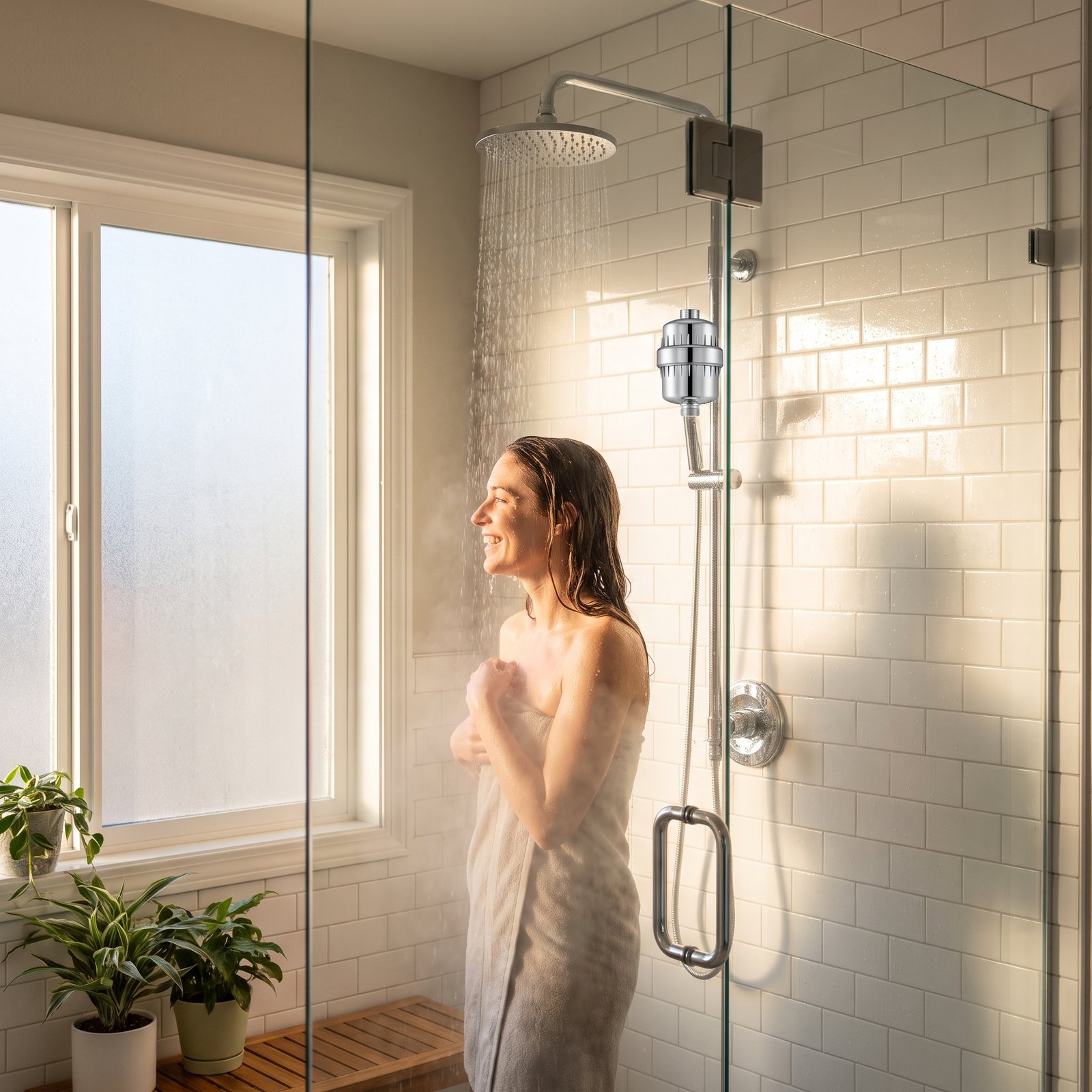
hard water shower filters sales are booming as homeowners like you search for an affordable fix for stubborn mineral buildup, brittle hair, and itchy skin. Before you buy, here’s how to pick the right filter, understand what it actually does (and doesn’t), and avoid expensive cartridge surprises or plumbing headaches.
Key Takeaways
- Hard water shower filters can reduce chlorine, sediment, and some heavy metals, but do not fully soften water or remove calcium and magnesium.
- Total cost of ownership depends on the initial filter price, cartridge lifespan, and ongoing replacement costs—plan for $100–$300+ over 3 years for most models.
- Plumbing compatibility and installation are the most overlooked buyer headaches—check your thread size, water pressure, and know when you’ll need adapters or a plumber.
- Quick verdict — Who should buy a hard water shower filter?
- What hard water does to your hair, skin, and fixtures (the problem)
- How shower filters work — what they can and can’t remove
- Types of hard water shower filters and when to pick each
- Pricing & product tiers — what you’ll pay up front and yearly
- Total cost of ownership
- Plumbing compatibility & installation pitfalls
- Maintenance, cartridge life and real user pain points
- Performance: shower filters vs shower‑head softeners vs whole‑house softeners
- Top brands and recommended models by budget
- How to choose the right filter for your home — a quick checklist
- Simple DIY installation steps + when to call a plumber
- FAQs buyers search for (quick answers)
- Final recommendation and call to action
Quick verdict — Who should buy a hard water shower filter?
If you’re a homeowner or renter dealing with chalky buildup on shower doors, dull hair, or dry, itchy skin—but don’t want to commit to a whole-house softener—a hard water shower filter offers a targeted, affordable intervention. These filters are ideal for those worried about chlorine, odor, or visible sediment in the shower. They’re not a replacement for softeners but can noticeably improve shower experience in hard water regions. The global shower-filter market hit $799 million in 2024 and is forecasted at $846 million in 2025, which proves that many see value in these point-of-use solutions—even with their limits.
What hard water does to your hair, skin, and fixtures (the problem)
Hard water is loaded with minerals like calcium and magnesium. Over time, these minerals create stubborn white scale on faucets and glass, leave a gritty film, and make soap hard to rinse. Many users link shower filter for hair loss claims to the way hard water flattens, tangles, and dulls hair. Soap and shampoo become less effective, leading to “sticky” skin and limp hair. Scale also clogs shower heads and can ruin water heaters over time. It’s no surprise that online searches for hard water shower filter solutions keep trending up—everyone hates scrubbing crusty deposits off shower doors and fixtures.
How shower filters work — what they can and can’t remove
Most hard water shower filters use a mix of technologies:
- KDF (Kinetic Degradation Fluxion): Great for removing chlorine and some heavy metals, but not hardness minerals.
- Calcium sulfite: Good for chlorine and some sediment.
- Activated carbon: Absorbs organic chemicals, chlorine, volatile compounds—but less effective at high temperatures.
- Vitamin C filters: Neutralize chlorine and chloramine, but again, not minerals.
- Ceramic and multi-stage cartridges: Target fine sediments and bacteria, but will not soften water.
Research confirms that shower head water softener filters typically do not remove the calcium and magnesium responsible for “hard” water. Only salt-based (or tankless chelation/ion-exchange) softeners actually pull these minerals out. Shower filters do improve odor, taste, and reduce some contaminants, but scale deposits and soap scum may still form over time—just less aggressively.
Types of hard water shower filters and when to pick each
You’ll find several types of hard water shower filter on the market. Here’s how to choose:
- Filtered shower heads: All-in-one solution; easy to install and best for renters. Choose this if you want a quick fix for chlorine smell and basic sediment.
- Inline or universal filters: Install between existing shower head and pipe. These are more versatile but may need adapters.
- Multi-stage cartridges: Offer layered filtration (KDF, carbon, sulfite, ceramic). Useful for homes with noticeable chlorine/chloramine or iron issues.
- Vitamin C filters: For those highly sensitive to chloramine. These are best for skin and hair, but may need more frequent cartridge swaps.
- Handheld units: Popular with families, easier for bathing pets or rinsing kids. Most have filter options built in or can accept an inline cartridge.
Industry data shows both fixed and handheld types split the market, with premium filtered units (high-capacity, multi-stage) making up a significant share of sales. Shoppers looking for the best hard water filter for shower results should pick a multi-stage system if irritation or odor are your biggest complaints, but basic chlorine-only filters work for lighter cases.
Pricing & product tiers — what you’ll pay up front and yearly
The cost of a hard water shower filter varies widely, split into tiers:
- Basic filters ($30–$60): Simple, usually one-stage, shorter cartridge life (2–3 months), may cause flow reduction over time.
- Mid-range ($100–$180): Multi-stage, better for heavy chlorine/hard water regions, cartridges generally last 3–6 months.
- Premium ($150–$250): Sleek design, high-capacity (often with bundled filters, better posted flow rates), longer warranty, and better materials.
Replacement cartridges are usually replacement cartridges $20–$40 each and last anywhere from 2–6 months. Most users will spend $80–$160 per year on replacements alone for high-traffic bathrooms. Three-year cost is often $200–$400 for most households.
Total cost of ownership
Look beyond the sticker price: owning a hard water shower filter is an ongoing commitment. Here’s how it shakes out for a mid-range system:
- Initial filter cost: $100
- Cartridge price: $30 each (replaced every 3 months)
- Optional subscription discount: Save ~$10–$20 annually by subscribing for auto-ship replacements
- Installation tools: Plumber’s tape and an adjustable wrench (usually $0–$15), but most install DIY in minutes
- Labor (if needed): $75–$150 if plumbing is unusual or old
- Disposal/packaging: Minimal, but some high-end brands offer cartridge recycling
| Year | Filter Purchase | Cartridges (x4/year) | Labor/Install | Total |
|---|---|---|---|---|
| 1 | $100 | $120 | $0–$100 | $220–$320 |
| 3 (cumulative) | — | $360 | — | $460–$560 |
This estimate covers the real total cost for a $100 mid-range filter over three years. Studies confirm frequent cartridge swaps are the #1 user complaint (source).
Plumbing compatibility & installation pitfalls
Hard water filter installation is usually easy—but only if your shower plumbing is standard. Common traps that trip up buyers:
- Thread size mismatch: Most filters fit standard 1/2-inch NPT threads. Older homes or imported systems may need adapters.
- Low water pressure: Multi-stage or ceramic filters can decrease flow. If you already struggle with weak showers, double-check rated flow rate before buying.
- Non-removable old shower heads: Decades-old plumbing sometimes seizes or leaks post-install—have plumber’s tape, an adjustable wrench, and patience ready.
- Shower valve type: Some concealed/plumbed-in showers or rainfall installations require a pro and may need specialty fittings.
If you encounter stubborn or leaking threads, buy a multi-pack of rubber washers and Teflon tape. Labor for tricky installs usually runs $75–$150. According to real buyers, up-front install and compatibility headaches remain a top frustration.
Maintenance, cartridge life and real user pain points
Hard water shower filters sound “set it and forget it,” but upkeep is real work:
- Cartridge swaps: Most require changes every 2–6 months. Forgetting replacement leads to pressure loss or, worse, old contaminants breaking free into your shower.
- Filter flushing: Instructions sometimes call for running water through the new filter for a few minutes—you’d be surprised how many people skip this step and see murky water.
- Unclear schedules: Many cartridges lack easy visual cues for when to replace. Set a calendar reminder or subscribe for auto-ship refills.
- Pressure drop: The more stages your filter has, the higher the chance of reduced flow if you delay cartridge changes. Families with long hair—or low pressure homes—may run into complaints here.
Cartridges cost $20–$40 and last 2–6 months, but real-world feedback shows many users forget to replace until pressure drops or skin/hair issues return. Consider brands that send reminders or offer subscriptions for automatic replacements.
Performance: shower filters vs shower‑head softeners vs whole‑house softeners
Here’s the raw truth—shower filters, shower head water softeners, and whole-house softeners all serve different needs. See how they stack up:
| Solution | Removes Chlorine/Chloramine | Removes Calcium/Magnesium (Softens Water) | Reduces Sediment | Protects Plumbing/Appliances | Improves Hair/Skin | Typical Cost |
|---|---|---|---|---|---|---|
| Shower Filter | ✔️ | ❌ | ✔️ | ❌ | ✔️ | $30–$250 + cartridges |
| Shower-Head Softener (Salt-free/Descaler) | ✔️ | 🚩 Partial* | ✔️ | ❌ | ✔️ | $50–$300 + media |
| Whole-House Softener | ❌ | ✔️ | ✔️ | ✔️ | ✔️ | $700–$3000 + salt/regeneration |
*Descaler/“softening” shower heads may reduce visible scale but do not actually remove calcium/magnesium ions. Industry analysis confirms many new buyers are let down by this limitation.
Top brands and recommended models by budget
When choosing the best hard water filter for shower needs, check out these industry leaders:
- AquaBliss: Value pick, highly rated, easy install, affordable cartridges. (Pro: price; Con: basic filtration on cheaper models)
- Culligan: Best for hair/skin issues, solid chlorine filtration. (Pro: effective; Con: cartridge cost)
- Waterpik: Best handheld, dual spray modes and filter in one. (Pro: ergonomic; Con: lower filtration capacity)
- Berkey: Premium, longer filter life and high-capacity but higher price. (Pro: reliability; Con: upfront cost)
- Pentair (Hydroviv): Minimalist and sturdy, long filter lifespan. (Pro: premium build; Con: not always DIY)
- Delta Faucet: For those who want design and functionality together. (Pro: aesthetics; Con: mid-high price)
Most brands are available on Amazon, in big box stores, or direct from the manufacturer. Internal reviews suggest AquaBliss and Culligan dominate the affordable–mid range. For more extensive guides, see our posts on under sink water filter or heat pump water heater rebate options for whole-home solutions.
How to choose the right filter for your home — a quick checklist
- Test your water: Order $10–$20 kits to check hardness (calcium/magnesium) and chlorine.
- Confirm plumbing specs: Is your shower arm standard 1/2-inch thread? Any odd angles or non-threaded heads?
- Match filter tech to your water: If chlorine is the culprit, opt for KDF or vitamin C. For rust/sediment, go multi-stage with pre-filter.
- Calculate your 3-year total cost: Add initial price + expected cartridges + any install/labor costs. (See chart above.)
- Pick a model with visible cartridge window or change indicators, or sign up for filter change reminders/subscriptions.
- Check flow rate: Especially in older homes. Ideally, pick units with 2.0 GPM+ if you dislike weak showers.
- Review cartridge availability: Some off-brand models are cheap but hard to find replacements for in a year or two.
Many consumers skip the “test first” step—don’t. It’s the single best way to avoid disappointment or wasting money on a filter that won’t solve your specific issue. For broader water quality upgrades, check our deep-dives on home insulation and air quality monitors too.
Simple DIY installation steps + when to call a plumber
For a standard filtered showerhead or inline filter:
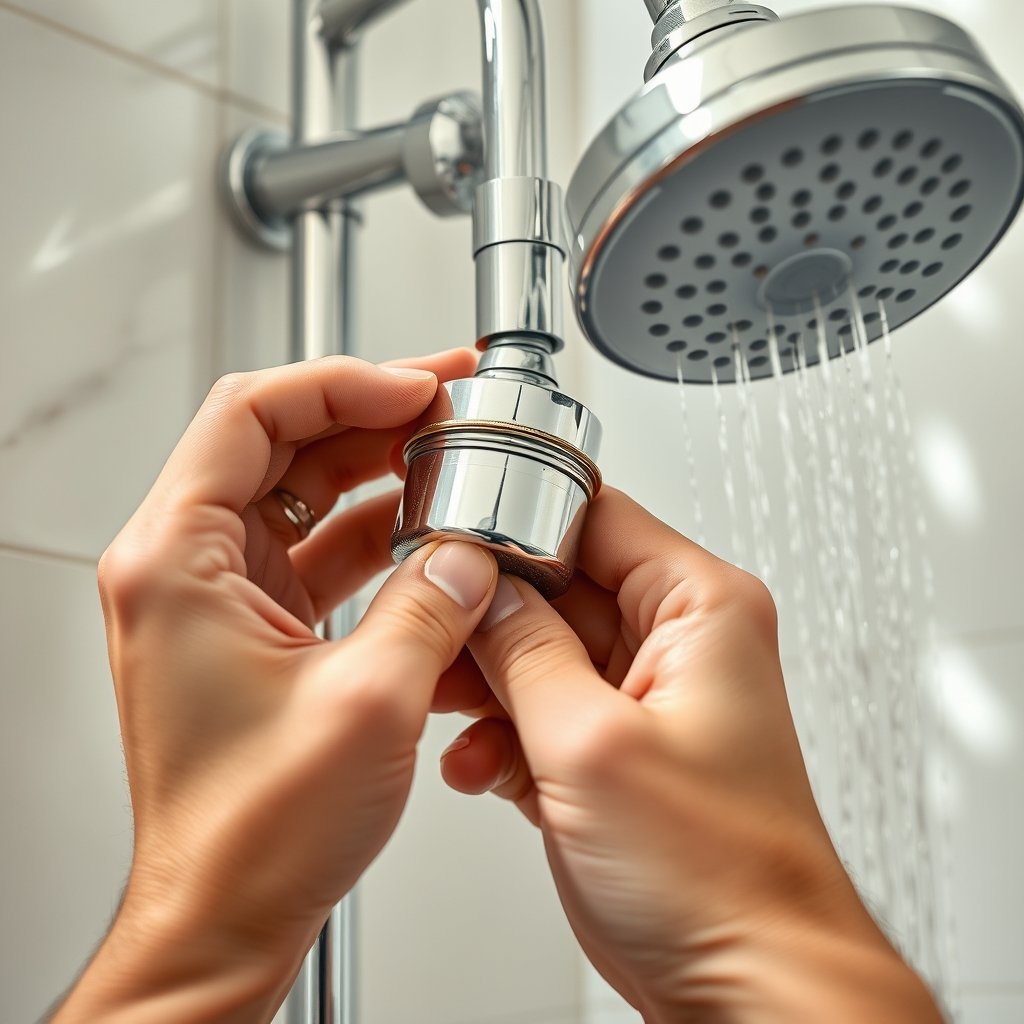
- Turn off the shower and remove your old shower head (counterclockwise twist).
- Wrap the shower arm threads with plumber’s tape—2–3 wraps is plenty.
- Screw on the new unit (or install the inline filter first, then reattach your shower head).
- Tighten by hand; use a wrench only if absolutely needed (cover with a cloth to avoid scratching).
- Turn the water on and check for leaks. If leaking, add another washer or retighten gently.
- Follow instructions to flush the new filter for 2–5 minutes before first use.
Call a plumber if:
- Your old shower head or pipe is stub-born and won’t loosen (risking damage or leaks).
- Pipes are corroded, or the threads won’t match up despite adapters.
- You spot leaks at the wall (not just at the shower head connection).
The average pro install costs $75–$150, but most standard installs are DIY-friendly for anyone with basic tools. Some premium brands now offer bundled installation and cartridge subscription programs for hassle-free upkeep. If you’re considering bigger upgrades (like a garage conversion or installing a Level 2 EV charger), calling a plumber may be a good idea.
FAQs buyers search for (quick answers)
Will a hard water shower filter stop hair loss?
It won’t cure genetic or medical hair loss, but many users see less breakage, dullness, and manageability issues. Results depend on your water content and filter type—look for specialty shower filter for hair loss claims only if hard water is the main culprit.
How often do I need to change the filter cartridge?
Most cartridges last 2–6 months. Family usage, sediment levels, and filter type affect this. Set a reminder or subscribe for replacements to keep up with changes.
Does a hard water shower filter actually soften the water?
No. Even the best hard water shower filter or shower head water softener does not remove hardness minerals (calcium and magnesium). They cut chlorine, sediment, and some metals, but don’t prevent all scale or soap scum.
Could this reduce my water pressure?
Yes, especially if you delay cartridge changes or use multi-stage/ceramic filters. Pick a model with a high flow rate if low pressure is already a problem in your home.
Is a filter subscription worth it?
If you want guaranteed cartridge availability and reminders, a subscription saves headaches and can sometimes lower long-term cost by 10–15%.
Final recommendation and call to action
For most homeowners with localized shower issues, a hard water shower filter offers a cost-effective first step: you get clearer skin, fewer odors, and easier cleaning without major plumbing work. Remember—these filters improve shower quality, but can’t soften water fully or protect all your appliances. For whole-home protection and truly soft water, consider investing in a full water softener. The North American and European shower filter market now accounts for over half of all sales (see industry data)—you likely have a solution that fits your needs and budget. Use our quick product comparison or shop our hand-picked recommendations now to find the perfect hard water shower filter or shower head water softener for your next DIY upgrade.
—