


hard water shower filter solutions are a top concern for homeowners who want to protect their hair, skin, and bathroom fixtures from the harsh effects of minerals and chlorine. The market for these products is booming, but good information is hard to find; here is what actually works—and what costs you should expect in the real world.
Key Takeaways
- Most hard water shower filter models reduce chlorine and odors but do not remove calcium or magnesium minerals that cause scaling.
- 80–85% of users see noticeably softer hair and less skin dryness within a month, but recurring costs for replacement cartridges add up over time.
- True water softening requires ion-exchange systems; cartridge filters offer partial relief but have key limits.
- Quick verdict — Filtered showerhead vs true softener: which should you buy?
- What hard water does to skin and hair — and what a shower filter realistically fixes
- Types of shower solutions — inline filters, integrated filtered heads, and softening alternatives
- Real user outcomes after 2–6 months — common wins and recurring pain points
- True cost of ownership — replacement cartridges, recurring spend, and lifetime value
- Brands, channels and price ranges — where people buy and trusted names
- Installation & troubleshooting — how to avoid pressure drop and clogging
- Gaps in the current market — opportunities buyers should watch for
- Buyer checklist — how to pick the right model for your home (3 profiles)
- Quick FAQ & consumer protections — claims to watch and testing to request
Quick verdict — Filtered showerhead vs true softener: which should you buy?
If your top goal is to reduce chlorine, chemical odors, and improve the feel of your skin and hair, a hard water shower filter or shower head water softener (filtered head) gives a fast, inexpensive upgrade. However, if your main complaint is thick, chalky scale buildup or truly “soft” water, you’ll need an ion-exchange softener or a whole-house system—not just a filter.
For most homeowners dealing with hard water, a quality shower filter will help your hair and skin feel better but won’t remove the calcium and magnesium minerals that actually cause scale. Only ion-exchange or salt-based softeners do that. The shower filter market is estimated at about USD 1.1 billion in 2024.
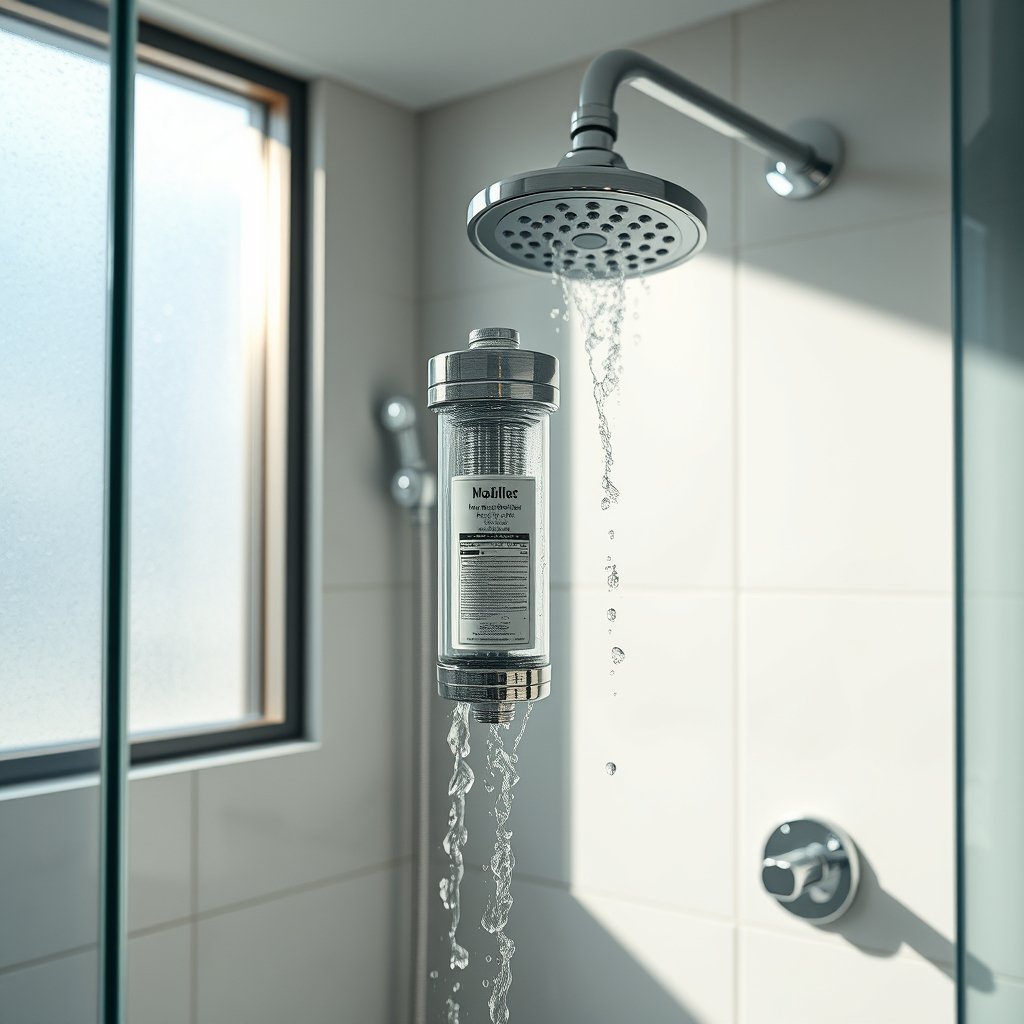
What hard water does to skin and hair — and what a shower filter realistically fixes
Hard water contains high levels of calcium and magnesium. These minerals cause scale deposits on your showerhead, door, and tiles, and can leave a residue on your skin and hair. Over time, this means dry, tight skin, brittle hair, and poor lather from soaps and shampoos. The main culprit behind dryness, however, is chlorine—a disinfectant added by most water utilities.
A shower filter for hair loss or optimizing hair health is popular for good reason: about 80-85% of users widely report that filters addressing chlorine and byproducts noticeably soften their hair and reduce skin dryness within a month. But most units on the market—including those labeled as the “best hard water filter for shower”—do not remove the hardness minerals (calcium and magnesium) themselves.
The true gain comes from filtered water that smells and feels cleaner, but be realistic: mineral scale isn’t eliminated unless you go for expensive softening systems.
For persistent hard water stains, consider a whole-house system, or pair your shower filter with regular cleaning using a mild acid solution (like citric acid) to reduce scale on glass and metal fixtures.
Looking for more efficient home water solutions? Read our practical under sink water filter guide for kitchen drinking water upgrades.
Types of shower solutions — inline filters, integrated filtered heads, and softening alternatives
You’ll find three main hard water shower filter types:
- Inline filters: Attach behind an existing showerhead. Use KDF, activated carbon, or multi-stage filters. Easy to install. Cartridges last 2–3 months on average (source).
- Integrated filtered heads: The filter is inside the showerhead. Slightly higher upfront cost (about $45 retail) but similar performance to inline types.
- Whole-house or dedicated softeners: True water softening by ion-exchange (salt) or salt-free technology. Higher cost, requires pro installation, but removes hard minerals for all home water—not just showers.
Most cartridge filters use similar technology: KDF (for chlorine/heavy metals), carbon (organic contaminants, odor), and “multi-stage” blends. These reliably cut chlorine and some sediment but usually leave hardness minerals untouched.
| Type | Removes chlorine? | Removes hardness? | DIY install? | Typical cost | Ongoing maintenance |
|---|---|---|---|---|---|
| Inline shower filter | Yes | No | Yes | $20–$60 | Cartridge every 3–6 months |
| Filtered showerhead | Yes | No | Yes | $30–$85 | Cartridge every 3–6 months |
| Whole-house softener | Partial (with extra filter) | Yes | No (pro needed) | $800–$2,500 | Salt/refill/maintenance |
Replacement cartridges costs average $12–$30, and most need swapping every 2–6 months, or after a specific gallon count (like 8,000 gallons for the Weddell Duo). Lower-capacity units are cheaper, but frequent cartridge changes raise long-term spend.
For more energy-saving tips, explore smart thermostat payback strategies or see our comparison of insulation types for whole-home upgrades.
Real user outcomes after 2–6 months — common wins and recurring pain points
Most user reviews highlight immediate improvements with a shower filter for hair loss and dryness—softer, cleaner-feeling hair, less itchiness, and improved scalp health. However, recurring pain points appear consistently:
- Clogging: Cartridges fill faster in very hard water areas, slowing flow and dropping pressure. Some heads start spraying in odd directions.
- Pressure drop: The most frequent complaint, especially as cartridges approach end-of-life or if rated gallons are exceeded early. (This is more common with multi-stage filters and lower-flow showers.)
- Maintenance cadence: Most cartridges require replacement every 3–6 months—even “long life” versions rarely last a year (source).
- Limited softening benefits: Scale on fixtures often persists; only full softening systems truly prevent it.
“Best hard water filter for shower” labels often conceal these limits. Always check for genuine user reviews mentioning pressure and replacement cycle—not just initial satisfaction.
Discover related home upgrade challenges by reading our garage conversion ADU guide.
True cost of ownership — replacement cartridges, recurring spend, and lifetime value
The upfront cost of a typical hard water shower filter is $30–$85 for the full head, and $12–$30 per replacement cartridge. For a family showering daily, expect to change cartridges every 3–6 months. The math: a $45 filter plus 2–3 cartridges per year puts your first-year cost near $69–$105, and over three years, $100–$180—more with premium, high-capacity models.
Filters with higher rated gallon capacity (like the Weddell Duo at 8,000 gallons) stretch replacement intervals but start at a slightly higher upfront price. Some brands offer subscription services for replacement filters.
Cheap cartridges often clog faster and suffer bigger pressure drops, leading to more frequent changes and potentially more frustration. Decide whether you’d rather make quick, low-cost swaps or invest in a more robust, longer-lasting solution.
Brands, channels and price ranges — where people buy and trusted names
The hard water shower filter market in 2024 is packed with recognized brands (Aquasana, Culligan, Sprite, AquaBliss, Afina, Weddell, AquaTru, HigherDose, Sonaki, and more) and a wide span of prices. Expect:
- Budget: Amazon best-seller units for $20–$40, usually with short cartridge lives and sparse warranty support.
- Mid-range: $45–$75 models from trusted names (AquaBliss, Sprite, Culligan). These often feature better construction and moderate warranty (1–2 years).
- Premium: Whole-house or multi-stage heads starting at $80+, with better-rated capacity, warranty, and customer service.
About 30–36% of purchases happen online (see best sellers here), while 68% of consumers buy at hardware or home improvement stores, which may offer easier returns or installation support.
For further reviews on home tech, check out our analysis of smart door locks.
Installation & troubleshooting — how to avoid pressure drop and clogging
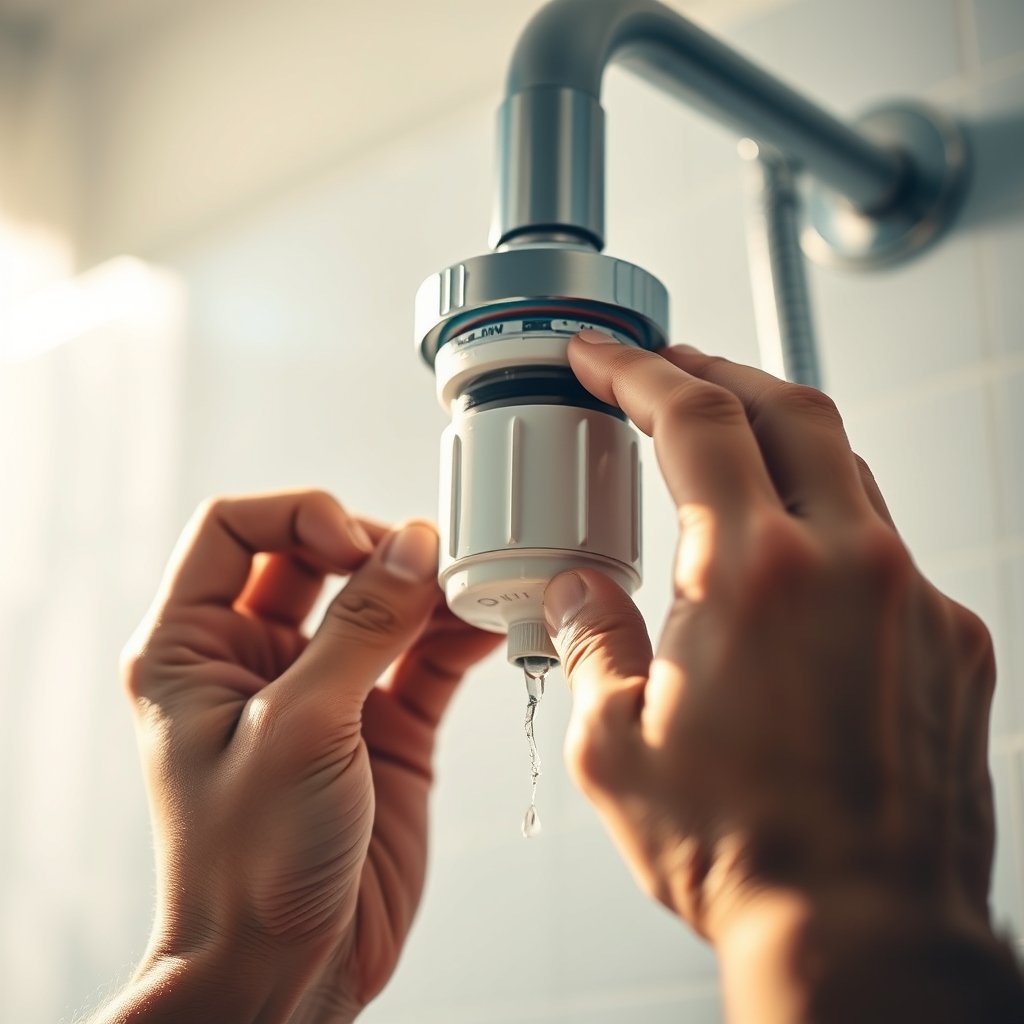
Most hard water filter installations are true DIY: just unscrew your old showerhead, screw on the new filter or filtered head, and hand-tighten to avoid leaks. Use plumber’s tape if needed. Total install time: less than 10 minutes.
- Flush each new cartridge for 1–2 minutes as recommended (run hot water) to clear loose carbon dust.
- Regularly check water flow; if you feel a pressure drop, it’s likely time to swap the cartridge—even if months or gallons remain on the box.
- Install a pre-filter screen if you have very heavy sediment—this extends your main filter’s life and prevents clogging.
- Avoid stacking multiple inline devices—too many can cut pressure by 40–50%.
- If you opt for a real softener, pro installation is required for plumbing changes.
Remember: rated lifetimes vary. Some systems are advertised as 10,000 gallons, others measured only in months. High flow households may burn through cartridges faster than expected.
For more DIY home projects, see our peel and stick backsplash guide for quick upgrades.
Gaps in the current market — opportunities buyers should watch for
Even top-rated hard water shower filter products show distinct limits. Based on research and aggregated reviews:
- Most models only address chlorine and odor—not the root hardness minerals (calcium and magnesium).
- Cartridge life is short, with limited high-capacity or smart-indicator options for timely replacement.
- Subscription and digital wear-level alerts (like smart fridge filters) are rare, increasing risk of degraded performance and remineralization.
- Flow-rate sacrifices: many advanced filters cut pressure or clog suddenly—especially if your home’s base water pressure is already low.
Look for next-generation solutions (hybrid filter-softener systems, cartridge tracking, improved user support) that could address these real concerns.
Buyer checklist — how to pick the right model for your home (3 profiles)
Use this rapid checklist to match your needs:
- Budget Buyer: Prioritize chlorine reduction with a basic cartridge filter ($20–$30) but set calendar reminders for 3-month cartridge swaps. Don’t expect scale reduction.
- Mid-Range Buyer: Choose extended-life models ($45 full head, $20 cartridge), higher flow rate (2.0–2.5 GPM), at least a 6-month cartridge, and solid warranty. Check for user-reported pressure stability.
- Premium/Whole-Home: For full softening or whole-house protection, invest in a true ion-exchange unit and professional install—expect a one-time cost of $800+ plus salt or media refills.
- Check actual gallon rating against your house’s showering volume—don’t trust “months” alone.
- Read user reviews about pressure—watch for “clog” or “weak stream” patterns.
- Confirm warranty and return period, especially for Amazon or in-store purchases.
- Look for brands offering easy cartridge subscriptions.
- Track your own test your water quality before and after for real data on changes.
80–85% of buyers report better hair and skin if their filter addresses chlorine, but scale can only be stopped with real softening (source).
Quick FAQ & consumer protections — claims to watch and testing to request
Will a shower filter really soften my hard water?
No. Most hard water shower filter solutions only remove chlorine and certain chemicals. To actually soften water (remove minerals), you need a dedicated water softener using ion-exchange technology or a whole-house unit.
How quickly will I see changes in my hair and skin?
Most users notice improvements in hair softness and reduced dryness within 2–4 weeks, but some need up to a month or longer, depending on water quality and shower filter type.
How do I know if filter claims are legitimate?
Check for third-party testing (NSF/ANSI certification) and seek out user reviews mentioning skin and hair outcomes as well as true cartridge lifespan. Always test your water before and after installation for real proof.
What consumer protections should I expect?
Retain your receipts and original packaging for product returns. Many reputable brands offer 30-day or longer satisfaction guarantees, and some include 1–2 year warranties for filter or head failures.
How can I reduce the manual hassle of cartridge changes?
Sign up for automatic filter subscription programs where available—some brands ship new cartridges at 3–6 month intervals. Set calendar reminders and track pressure changes as an indicator for replacement.