

### Blog Post:
Fluted panel wall accent installations have become the go-to upgrade for home offices and living areas because they combine contemporary style with proven acoustic control—if you know how to plan the project right.
Key Takeaways
- Fluted panel wall accents offer trending aesthetics and measurable sound dampening—if you choose proven acoustic materials and demand real performance data.
- Total fluted panel installation costs range from $25–$65 per ft² DIY to $60–$180 per ft² for pro installs; detailed cost breakdown and acoustic specs are crucial before any purchase.
- Avoid typical pitfalls by requesting NRC ratings and test reports, planning for panel weight, and following a complete installation walkthrough.
- Why fluted panel wall accents are the trending choice for stylish sound control
- Step-by-step fluted panel wall accent installation guide
- Advanced analysis & common pitfalls with fluted panel wall accents
- Conclusion
- FAQs
Why fluted panel wall accents are the trending choice for stylish sound control
Fluted panel wall accents have exploded in popularity because they merge two goals: transforming a dull wall into a modern, architectural feature and reducing the echo or “live” sound that can plague home offices or open plan living. The visual effect—rows of vertical fluted slats—brings high-end design with customization possible in wood veneer, MDF, or composite finishes. Underneath, real acoustic panels for home office spaces can be integrated for legitimate sound dampening—not just looks.
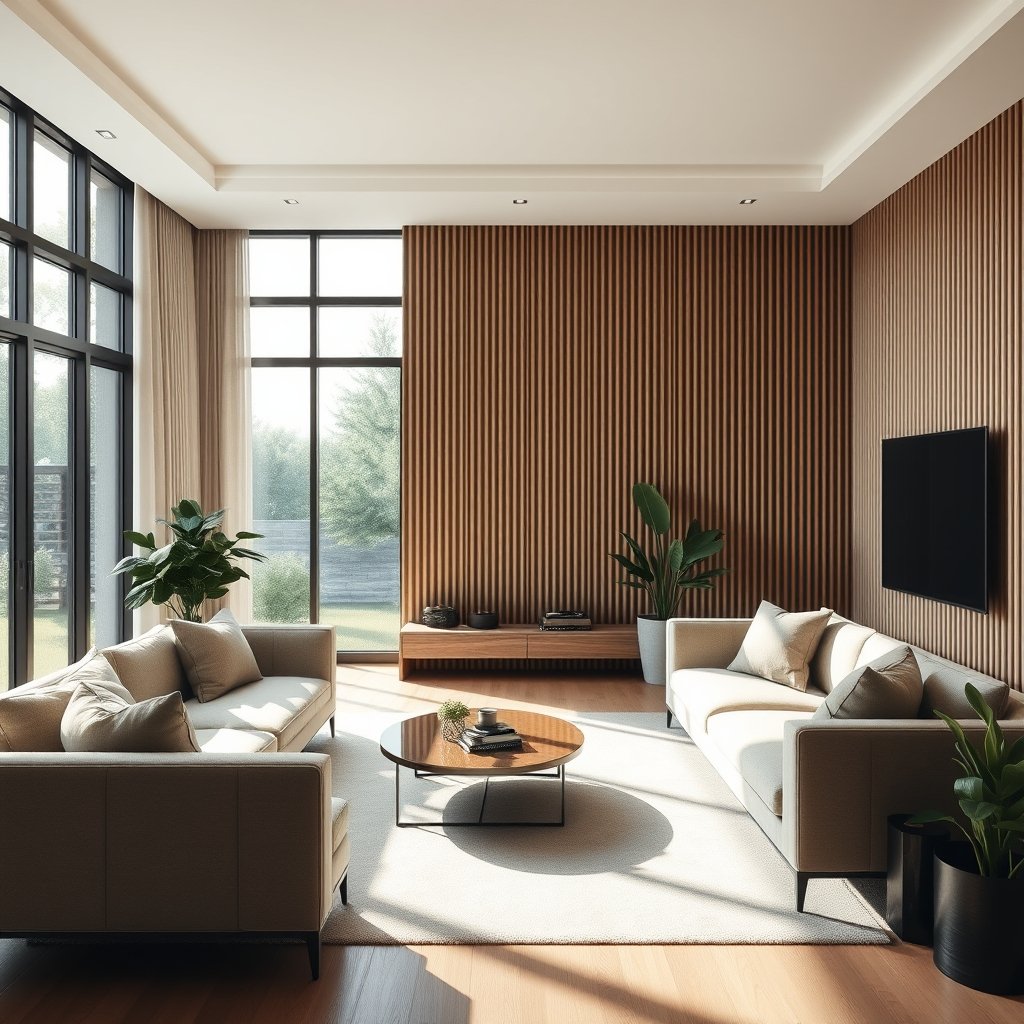
However, not all fluted panels offer equal noise reduction. Many mainstream options prioritize a showy slat design but skip actual sound dampening layers or meaningful lab testing. In 2025, wall panels made up nearly 47% of all panel units, with wood-slat and acoustic-panel hybrids leading the market [source]. The key is to set expectations: a decorative upgrade alone will not kill noise by itself; significant sound reduction requires honest acoustic design and materials.
When you’re planning an installation—whether to quiet your home office or give your living room a stylish boost—demand clear acoustic performance ratings, understand aesthetic and functional tradeoffs, and price out all materials to avoid surprise overruns.
Want a deeper dive into how hybrid work is reshaping home renovations and product trends? Check out our guide to standing desk converters for home offices.
Step-by-step fluted panel wall accent installation guide
To get the best results and protect your investment, a DIY fluted wood panel install requires more than just sticking panels to a wall. Here’s your actionable walkthrough:
- Preparation: Measure your target wall (width and height) after removing decor and wall plates. Sketch the panel layout, allowing for 5–10 mm expansion gaps at edges and corners.
- Site Prep: Mark all electrical, HVAC, and pipe runs. For extra noise control, caulk any cracks and consider adding a second layer of gypsum before paneling if feasible.
- Backer/Framing: For lightweight MDF panels, direct wall mounting is okay. For solid wood or large/heavy panels, attach a plywood substrate to studs.
- Hardware Selection: Use construction adhesive + finish brads for MDF/foam; for solid wood, use panel clips or French cleats rated for 30–50 pounds each, anchored in studs.
- Acoustic Layer: For best sound dampening, combine slats with a 1″ to 2″ layer of fiberglass or melamine foam behind the fluting.
- Panel Mounting: Dry-fit the first panel and confirm straightness with a level. Apply adhesive, lift into place, and fasten. Maintain even gaps between fluted strips using spacers if needed.
- Edge/Sealing: Use acoustic sealant (not just caulk) at all edges and seams. This dramatically improves noise control—one of the most overlooked steps in guides.
- Finishing Touches: Fill visible nail holes, add matching trim, and inspect for consistent gaps. Run a “walk and clap” test to spot any rattles or resonance.
- Visual QA: Use raking light to spot panel misalignments or finishing defects before reinstalling power outlets and decor.
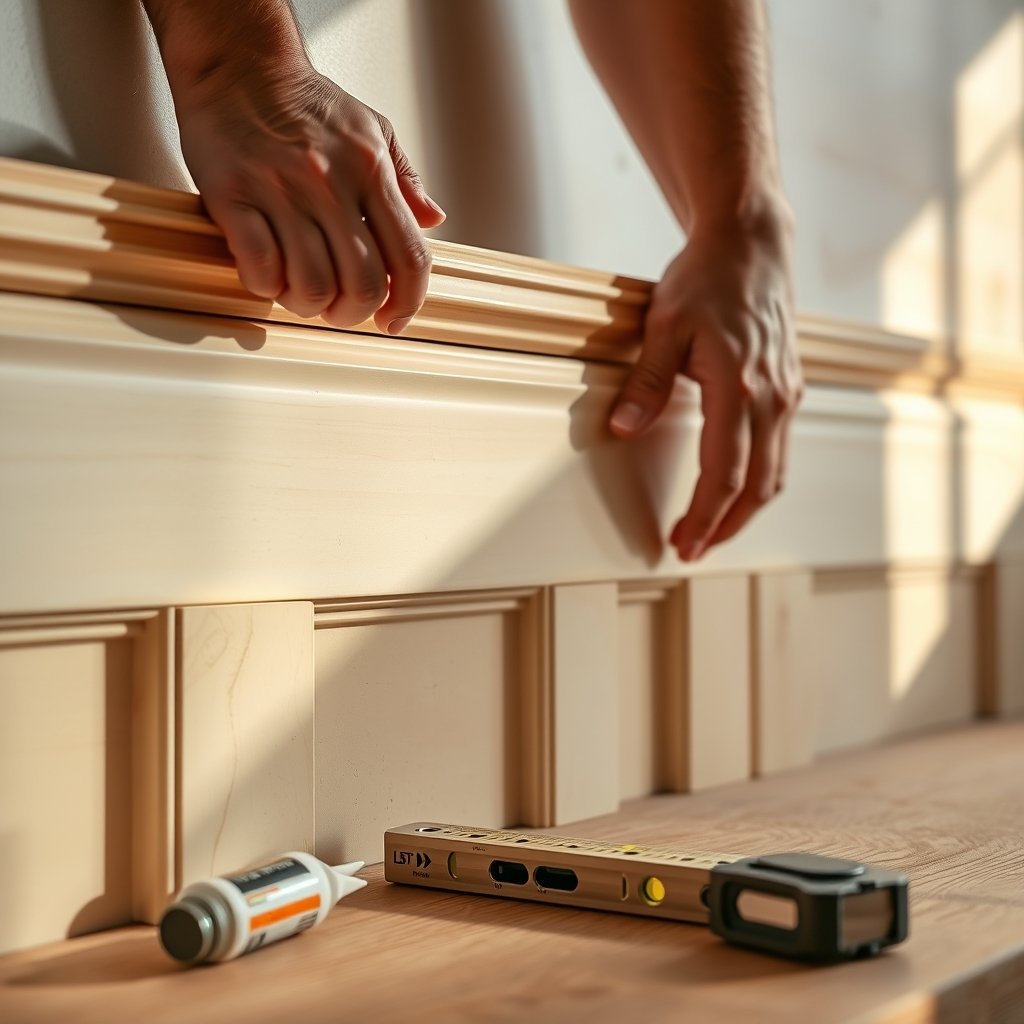
Still concerned about damaging drywall or the complexity of framing? Many modern DIYers are using removable rail-and-clip systems or non-marring adhesives for temporary or renter-friendly installs. For the same low-commitment upgrades, explore our peel and stick backsplash guide.
Advanced analysis & common pitfalls with fluted panel wall accents
The biggest mistakes homeowners make with fluted panel installations are:
- Underestimating weight and mounting complexity. MDF and solid wood panels are often much heavier than expected, driving up shipping and requiring robust hardware. Misjudging this leads to panels sagging or even pulling off the wall.
- Choosing style over sound. Many decorative panels have a hollow-core or lack real acoustic layers. That means all show, no real sound dampening. Always review NRC specs and absorption breakdowns (for speech, focus on 500–4000 Hz frequencies).
- Missing transparent cost breakdowns. Project budgets can double when accounting for backers, adhesive, hardware, and finishing materials—not just list price. Research shows most guides skip key steps and real pricing.
| Material | Cost (materials) | Acoustic Performance | Weight | Ease of Install | Best for |
|---|---|---|---|---|---|
| MDF core | $25–$65/ft² | NRC 0.75–0.85 (if backed with foam) | Heavy | Moderate | DIY accent walls |
| Solid wood | $60–$180+/ft² | NRC 0.75–0.95 (with backing) | Very heavy | Difficult | High-end pro jobs |
| Veneer over MDF | $40–$90/ft² | NRC up to 0.90 | Heavy | Moderate | Premium residential/commercial |
| Fiberglass core | $55–$150/ft² | NRC 0.90–1.05 | Light-moderate | Moderate | True sound studios |
| Melamine foam | $35–$80/ft² | NRC 0.85–1.00 | Very light | Easy | DIY, portable |
Savvy homeowners increasingly opt for MDF core with foam backing for the best blend of price, weight, and sound absorption, while pros often spec veneer or solid wood for premium spaces. The newest option—melamine foam—is growing in popularity thanks to its high absorption and DIY-friendly weight [market report].
Don’t forget: acoustic effect is also a function of percentage of wall coverage. Covering 40–60% of wall area results in a noticeable reduction in echo, but covering the whole wall is ideal for maximum RT60 (reverberation time) reductions. For more strategies on noise and privacy, see our outdoor privacy screen guide and blackout curtain recommendations for bedrooms.
Conclusion
With the right approach, a fluted panel wall accent can transform both the sound and look of your space. But don’t rely on marketing alone—demand acoustic ratings, understand cost breakdowns, and follow a detailed install process to avoid common pitfalls. Whether you tackle it as a DIY or choose a pro, a bit of upfront research pays off and ensures your fluted panel wall accent project lives up to its promise. Ready to take control of your space? Start by requesting detailed specs and all-in pricing from suppliers before you buy.
If your next upgrade involves other high-value home improvements, get clarity and cost confidence from our window replacement cost guide and garage conversion ADU price walkthrough.
FAQs
Will fluted panel wall accents reduce noise from neighbors or street?
Fluted panels with real acoustic backing (fiberglass or melamine foam) can noticeably reduce echo, reverberation, and some speech frequencies. They will not fully block loud neighbor or street noise—true soundproofing also needs mass-loaded barriers. Focus on NRC and frequency-specific absorption data when choosing panels.
How heavy are sound dampening wall panels and how do I safely mount them?
MDF or solid wood panels weigh 5–20 lbs per panel, depending on size and core. Always anchor heavy panels into wall studs using suitable panel clips or rails. Lighter melamine foam-backed panels can use strong construction adhesive and brads.
What is a realistic total budget for a DIY fluted panel wall accent?
For a 10 x 8 ft wall, expect $2,500–$5,200 in DIY materials and tools using MDF/fluted foam, or $5,000+ for veneer/solid wood pro installs (including adhesives and hardware). Always request a full quote with shipping, hardware, and finishing included.
Can fluted panel wall accents be installed without damaging drywall for renters?
Yes. Use rail-and-clip or removable adhesive systems for a non-permanent upgrade. Minimal patching is needed if clips go into studs. Avoid heavy solid wood panels for temporary setups—opt for lightweight MDF or foam core for easier removal.
How can I compare acoustic performance if a product lacks NRC ratings?
If a seller does not provide NRC or lab test data, be cautious. Ask for absorption coefficients at 500, 1000, 2000, and 4000 Hz. If it’s unavailable, consider options from brands that publish this data. Find tips on evaluating acoustic claims in our external panel buyer’s guide.
—