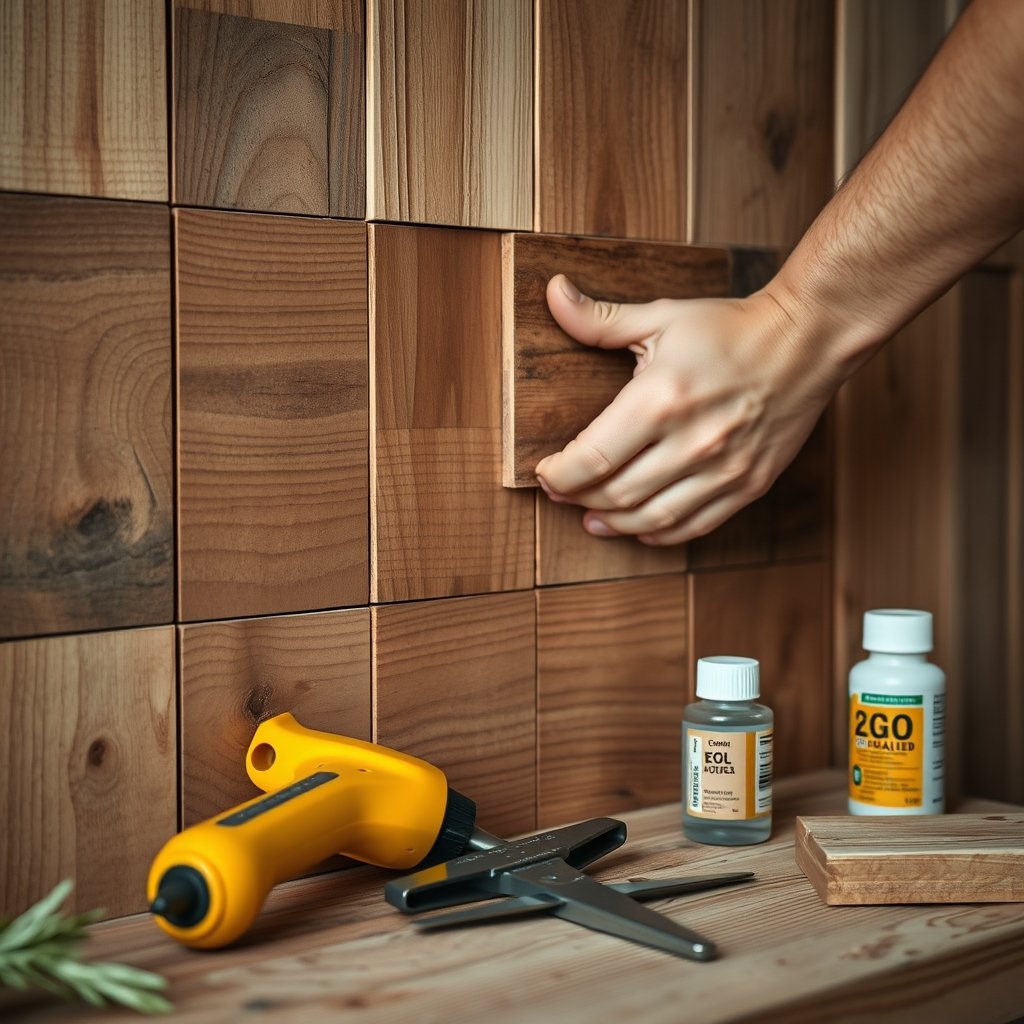


Eco-friendly home renovation ideas are no longer just a trend—they’re driving real savings, boosting home value, and giving homeowners powerful options in 2026. This no-nonsense guide unlocks exactly where to start, how to maximize new federal tax credits, and the best ways to reduce both environmental impact and project costs—without falling for greenwashing or project delays.
Key Takeaways
- Envelope upgrades and efficient systems (insulation, windows, HVAC, solar) offer the highest ROI—often over 60%—and qualify for up to $3,200+ in annual tax credits.
- Combining project phases with proper documentation ensures you capture every credit and rebate available, cutting upfront costs and payback time.
- The biggest homeowner pain points are financing, tax process issues, and finding vetted green remodeling contractors—this guide solves all three with plain advice and actionable checklists.
- Why renovate green now? The market opportunity
- Quick wins with the best ROI (what to tackle first)
- Realistic timelines and project phasing (how long each job takes)
- Federal credits explained — what you can actually claim (step-by-step)
- Documentation you’ll need (avoid the common tax-credit pitfalls)
- Choosing materials that matter — sustainable building materials that perform
- Sourcing recycled and reclaimed materials (practical sourcing playbook)
- Finding and vetting green remodeling contractors (local hiring checklist)
- Lifecycle impact: what competitors miss (how to choose materials that are truly green)
- Financing options and lowering upfront cost (practical levers)
- A 6–12 month eco-renovation roadmap (sample project plans)
- Common homeowner pitfalls and quick fixes
- Tools, checklists and local resources (action kit)
- Conclusion and next steps
- FAQs
Why renovate green now? The market opportunity
The case for eco-friendly home renovation ideas is stronger than ever. In 2026, about 43% of U.S. homeowners plan to make energy-saving upgrades, yet nine-in-ten homes remain under-insulated, leaving plenty of room for high-impact improvements. Home values, buyer demand, and resale ROI increasingly favor properties with sustainable upgrades—driven by new transparency in eco-claims, federal incentives, and changing utility rates. Leading projects include insulation, efficient windows and doors, heat pumps, and especially solar arrays, all of which make homes more marketable and comfortable while slashing lifetime utility costs.

Quick wins with the best ROI (what to tackle first)
If you want immediate energy and cost savings, start with envelope upgrades (attic, basement, and crawlspace insulation, air sealing, window and door replacements) and core systems (efficient HVAC, heat pumps, and solar). Typical price ranges:
- Insulation (attic, basement, crawlspace): $1,000–$3,000
- Window/door replacement: $6,000–$10,000 (60–70% cost recovery on vinyl/wood windows, up to 188% for steel doors—see data from This Old House)
- 11-kW solar array: $17,000–$23,000 after the 30% federal credit
These upgrades almost always qualify for the energy efficient renovation tax credit. Well-planned upgrades can recover a majority of the investment at resale and drastically reduce utility bills for years. Pairing energy audits with these quick wins can further maximize available rebates and help you track measurable savings along the way. Explore more on comparing insulation types in our foam insulation vs fiberglass guide.
Realistic timelines and project phasing (how long each job takes)
The best results come from tackling projects in stages, with an eye for disruption and timing around available tax credits. Here’s a practical breakdown:
- Envelope upgrades (insulation, air sealing, window/door installs): 2–4 weeks
- Solar installation: 1–2 months (depending on permit/delivery timeline)
Overlap jobs wherever possible—schedule insulation or window work before HVAC upgrades to ensure maximum system performance. Older homes may need lead/asbestos checks, possibly affecting sequencing and timing. Smart scheduling is essential to meet deadlines for placing items in service and claiming annual credits. Consider a bundled approach if your tax credit cap ($3,200/year) might be reached with high-cost projects. For more on project phasing and storage organization, check our garage storage system guide.
Federal credits explained — what you can actually claim (step-by-step)
The current Energy Efficient Home Improvement Credit and Residential Clean Energy Credit can dramatically reduce your out-of-pocket renovation costs, but only if you follow the right steps:
- Verify project eligibility—must be your primary residence and meet ENERGY STAR or IECC requirements (find specifics on the ENERGY STAR tax credit portal).
- Credit caps: $1,200 annually for most improvements (up to $600 for windows/skylights, $250 per exterior door/$500 total, $150 for home energy audits, $2,000 for qualifying heat pumps, water heaters, or biomass devices).
- Residential Clean Energy Credit gives you a separate 30% uncapped credit for solar, wind, geothermal, and battery storage, available through the end of 2025 (IRS home energy credits FAQ).
- Products installed after December 31, 2024, must display a registered manufacturer’s PIN on your IRS paperwork—this is enforced for specified property.
- Installation and costs must be documented in the year of service to claim the right year’s credit.
If you bundle improvements or stagger projects, you can capture multiple years of credits by carefully planning project start and end dates.
Documentation you’ll need (avoid the common tax-credit pitfalls)
Missing or incomplete paperwork is one of the biggest reasons homeowners lose out on tax credits. Here’s exactly what to collect:
- Proof your home is a primary residence (utility bills, deed, property tax records)
- Official receipts/invoices with installation details
- Product documentation with manufacturer’s PIN and ENERGY STAR/IECC compliance
- Installer’s certification if required
- Photos of labels/certifications for records
Gather all this before submitting your return or rebate so you don’t face delays or denials. For improvements placed in service after 2024, pay special attention to the qualified manufacturer’s PIN requirement—products without it will not be eligible. More details are found in the IRS guidance on energy credits.
Choosing materials that matter — sustainable building materials that perform
Not all “green” products actually reduce your long-term carbon footprint. The best sustainable building materials are high-performance for insulation, FSC-certified lumber, low-VOC finishes, and recycled-content products. Example upgrades:
- Low-VOC finishes: Improve air quality and reduce allergy triggers
- FSC or reclaimed lumber: Reduces deforestation and supports circular economy
- High-performance insulation: Slashes energy demand long term
- Recycled-content drywall, tiles, or countertops: Cuts environmental load
Focus on materials verified by reputable third parties and review durability/lifespan—cheap “green” options might require expensive replacements sooner. Learn more about eco-friendly flooring in our SPC flooring vs LVP resource.
Sourcing recycled and reclaimed materials (practical sourcing playbook)
Using recycled materials for home renovation not only shrinks your project’s carbon footprint, but can also cut costs—if you avoid logistical snags. Here’s how:
- Start with local architectural salvage yards and online directories specializing in reclaimed goods
- Check for product integrity—ensure no toxins, structural weakness, or pest risk
- Ask for certifications or provenance for lumber, masonry, and metals
- Don’t overbuy—reclaimed inventory changes quickly and hoarding delays projects
Integrate reclaimed features in non-loadbearing roles (accent walls, shelving, decorative beams) to minimize code issues and work within set timelines. This approach sets your project apart from competitors and appeals to buyers prioritizing circular-economy renovations. For renter-friendly green upgrades, see our guide to peel and stick backsplash solutions.
Finding and vetting green remodeling contractors (local hiring checklist)
Locating and qualifying experienced green remodeling contractors is one of the most cited homeowner challenges. Tackle it with this approach:
- Search local directories and green building organizations for certified contractors
- Request licenses, proof of insurance, and specific green certifications (LEED AP, BPI, NARI Green, NAHB)
- Ask for references and sample projects with documented performance
- Review environmental claims for materials used—request manufacturer documentation
- Discuss change-order process and timeline guarantees upfront
Always get multiple written bids referencing your project’s scope and green goals. Want more details on eco-home upgrades? Our solar outdoor lights buyer’s guide covers another easy win for outdoor projects.
Lifecycle impact: what competitors miss (how to choose materials that are truly green)
Judging a product only by its “eco-friendly” label is risky. Quantify long-term impact by reviewing:
- Embodied carbon (energy used in material production and shipping)
- Expected maintenance and repair cycles
- Real-world performance vs. marketing claims
- End-of-life recyclability or landfill impact
For example, a local reclaimed hardwood floor can have lower lifetime impact than an “eco” bamboo shipped across the globe. Document these assessments in your project files—buyers and future contractors value transparency. To improve both comfort and efficiency, see how blackout curtains can play a role in energy-efficient renovations.
Financing options and lowering upfront cost (practical levers)
Upfront cost is the number-one barrier to acting on eco-friendly home renovation ideas. Attack it with:
- Pooled financing (e.g., PACE loans, state/local green grants, credit union or bank “energy improvement” loans)
- Federal, state, and utility rebates—stack with tax credits during project planning
- Bundling smaller projects so they trigger threshold credits and rebates in the same tax year
- Modeling payback using your current energy bill and project quotes—ask contractors for expected savings projections
Many contractors now offer financing programs, but compare third-party offers and be wary of high origination fees. If you’re considering larger projects, review the options in our home equity loan for renovation explainer for unbiased cost-benefit insights.
A 6–12 month eco-renovation roadmap (sample project plans)
Here are two real-world templates to keep your eco-renovation on track, maximize credits, and minimize disruption:
- $5,000–$15,000 Retrofit (insulation, air sealing, windows):
- Month 1: Complete home energy audit ($150 for audit; can qualify for credit)
- Months 2–3: Schedule envelope improvements (2–4 weeks for insulation and sealing; overlapping window replacements)
- Document all product certifications and receipts for tax credit filings
- $15,000–$50,000+ Full Upgrade (add heat pump, solar, major envelope work):
- Months 1–2: Audit, contractor selection, and financing approval
- Months 3–5: Insulation, windows/doors (2–4 weeks), then solar/heat pump installs (1–2 months)
- File for partial credits after each phase, maximizing your annual caps and clean energy credits
Tip: Stagger project phases so any credit limit resets annually if needed. More about calculated paybacks and windows in our window replacement cost guide.
Common homeowner pitfalls and quick fixes
Don’t let common missteps cost you money or slow your project. Here’s how to avoid the top pain points:
| Pitfall | How to Fix It |
|---|---|
| Upfront cost and complex financing | Shop multiple lenders, maximize all credits, and seek out non-traditional grants or local rebates. |
| Missing or late tax-credit documentation | Download and use checklists, get all certifications and PINs before you pay your contractor, keep digital and hard copies of every document. |
| Trouble finding vetted green contractors and materials | Use green builder directories, check references and certifications, insist on transparent material sourcing and written contracts. |
Tools, checklists and local resources (action kit)
Action beats intention. Use these free tools and checklists to stay organized and maximize your returns:
- Tax-Credit Documentation Checklist: Download IRS Form 5695 and follow their documentation guide for every project.
- Contractor Interview Questionnaire: Ask every contractor for proof of green certifications, project histories, and material sourcing process.
- Materials Cheat-Sheet: List out approved sustainable building materials, recycled materials for home renovation, and their certification requirements (check ENERGY STAR and FSC directories).
- National Rebate Aggregators: Use ENERGY STAR’s rebate finder tool to discover local and national incentives.
Conclusion and next steps
The fastest, most cost-effective path for most homeowners is a phased approach: audit your home, upgrade insulation and windows, and methodically complete documentation for every credit, all while choosing proven sustainable building materials. With eco-friendly home renovation ideas, you can seize record-high incentives and market value lifts. Download your action kit, and request at least three local green remodeling contractor quotes within the next 30 days to capture this year’s window before credit changes kick in. Don’t let outdated paperwork or missed deadlines cost you thousands—act now while the market’s in your favor.

FAQs
Which eco-friendly renovation upgrade gives the best ROI in 2024?
Envelope upgrades—such as insulation and air sealing—typically deliver the most immediate ROI due to high energy bill reductions and strong federal incentives. Window and door replacements, especially with high-efficiency models, can recoup 60–188% of initial investment at resale according to recent studies.
How do I qualify for the energy efficient renovation tax credit?
Your renovation must be for your primary residence and use certified materials/products (with ENERGY STAR or IECC compliance and, after 2024, a qualified manufacturer’s PIN). Keep official receipts, install dates, and all certificates as proof.
Where can I find reputable green remodeling contractors?
Look for contractors listed with national green builder associations, request written proof of certifications (such as LEED AP or NARI Green), and always check references on recent comparable projects.
What paperwork do I need to get my tax credits approved?
You need official invoices, product documents showing compliance/certification and PINs, installer credentials, and proof of primary residence. A missing or incorrect document can risk denial—use a checklist for every job.
Can I use recycled materials for home renovation and still qualify for credits?
Yes, if those materials meet relevant ENERGY STAR, IECC, or other required certifications for the specific credit. Always verify suitability and keep all documentation from both your supplier and installer.