

### Blog Post:
Cordless pressure washer models are changing how homeowners tackle everyday cleaning, but there’s a lot more to successful battery-powered washing than spec sheets and marketing claims. If you want realistic advice on purchase planning, workflow tips that actually work, and true cost-of-ownership details, this is the guide you need—built on hard numbers, proven tricks, and honest analysis.
Key Takeaways
- Cordless pressure washers deliver convenient, quiet cleaning but require battery and workflow planning to avoid frustration.
- Actual cleaning power is sufficient for cars and patios but falls short for heavy grime—manage expectations (average: 800–1,500 PSI).
- True project cost rises when extra batteries and fast chargers are included; expect total spend between USD 250–500.
- Quick market snapshot — Why cordless pressure washers matter right now
- Typical price points and what you get for the money
- Runtime and charging — planning for a full job (the spare-battery workflow)
- Cleaning power vs use case — what cordless units can and cannot do
- Weight, ergonomics and portability — balancing battery capacity and user fatigue
- The three critical buying-guide gaps most other guides miss (and what to do about them)
- Troubleshooting and common complaints — fixes and mitigations
- Decision checklist — which cordless model is right for your use case
- Real-world job plans — sample workflows for cars, patios and light siding
- Final verdict — who should buy cordless vs stick with corded/gas
- FAQ
Quick market snapshot — Why cordless pressure washers matter right now
The cordless pressure washer market is surging. About 13.5% of all pressure washer demand in 2024 came from battery-powered models, with the global portable pressure washer market reaching USD 1.36 billion in 2025 and projected growth to USD 1.54 billion in 2026 and USD 1.74 billion in 2027 [3]. Rising home maintenance, noise regulation, and eco-friendlier demands have pushed major brands like Karcher and Ryobi to invest in new portable, battery driven tools [1]. For homeowners and DIYers, that means more choices—if you know what to really expect.
Typical price points and what you get for the money
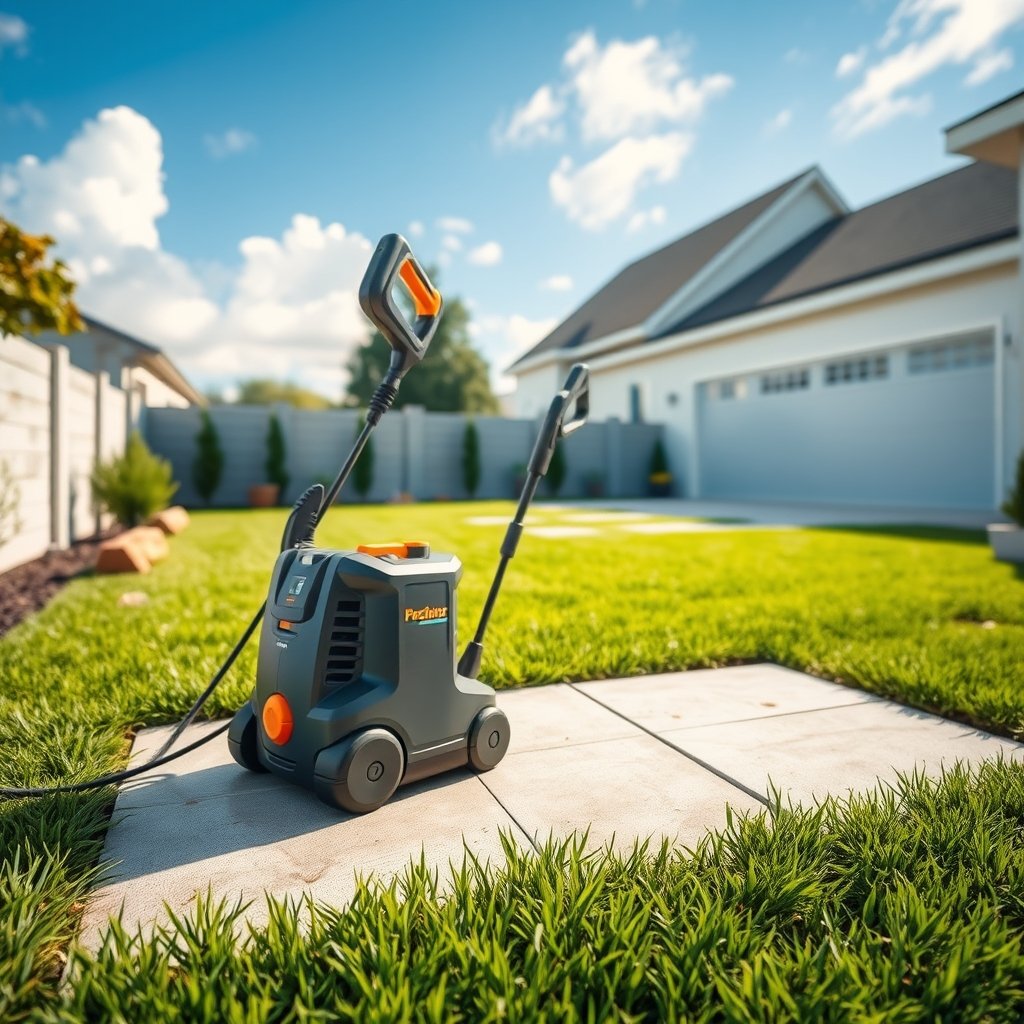
Here’s the no-spin reality: a battery powered pressure washer usually costs USD 250–400 for the base set and USD 425–500 when you add a second battery and a fast charger. In this range, what do you get? Basic models include one battery (usually 2Ah–4Ah), a charger, mid-tier lightweight wands, and 2–3 basic spray nozzles. Bundles at the higher end add a spare battery—critical if you want to finish a patio or full car detail in one session. Fast chargers (often 1–1.5 hours for a full charge) can also be game changers for workflow, but raise the total price [2].
If you’re comparing to other home upgrades like garage storage systems or a new smart thermostat, remember the additional cost of batteries and sometimes sprayer/wand upgrades to get the full experience. Actual ownership cost is nearly always higher than advertised shelf price.
Runtime and charging — planning for a full job (the spare-battery workflow)
For cordless pressure washers, runtime is make-or-break. Average operation per charge is about 20–45 minutes, with full recharge times of 2–4 hours. Fast-charge stations can lower this to as little as 1–1.5 hours, but you’ll need to buy those upgrades. The key is smart job planning: for anything bigger than a quick car rinse, you should stagger use between two charged batteries.
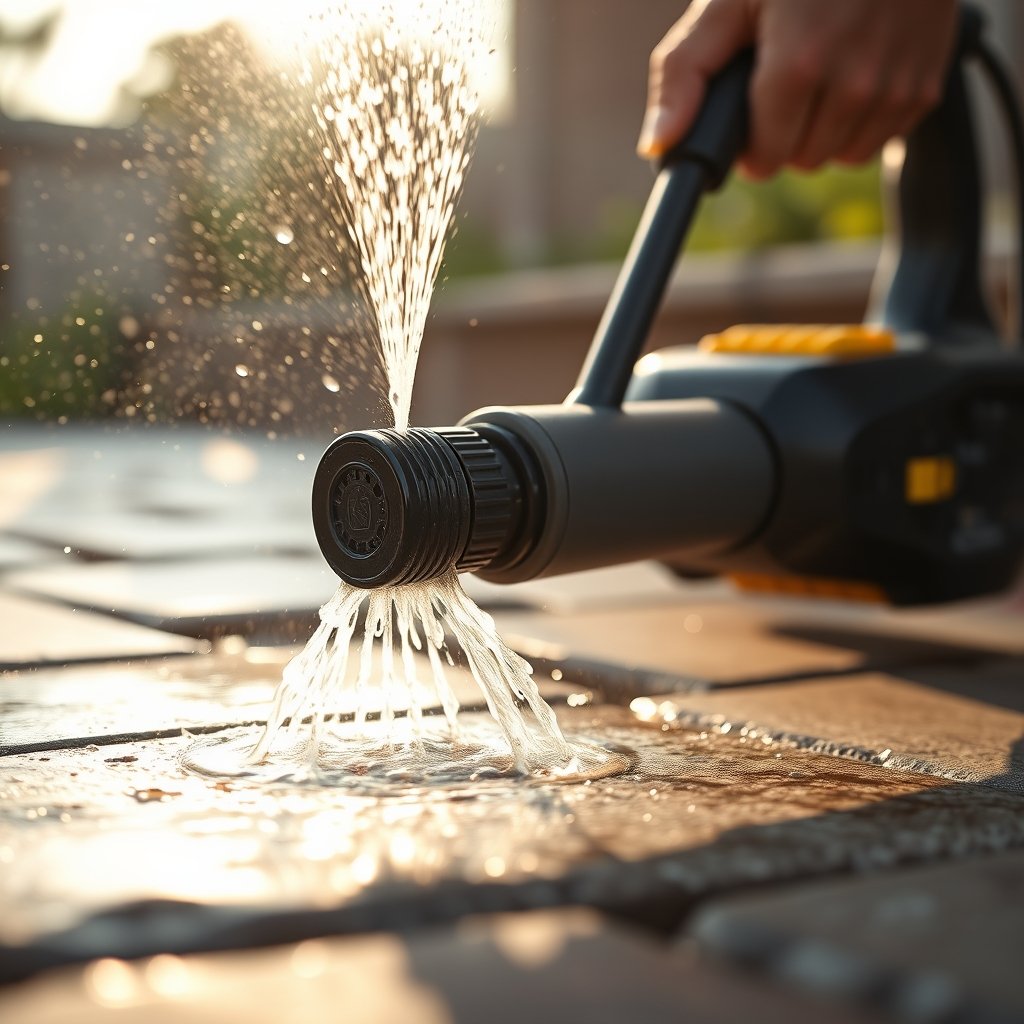
Many portable pressure washer reviews overestimate runtime—20 minutes under continual use is typical for higher settings. It’s also worth noting that colder temperatures can further reduce battery efficiency and charge times, so plan around your climate.
Worried about charger compatibility or wanting to upgrade battery banks for long projects? Review accessory bundles carefully, as not all fast chargers or packs are brand-universal. Much like with portable power stations, your “ecosystem” matters for scaling up jobs later.
Cleaning power vs use case — what cordless units can and cannot do
The biggest buyer mistake is assuming a cordless washer does everything a gas or heavy-duty corded model can. In reality, battery-powered washers typically deliver 800–1,500 PSI, which is ideal for rinsing cars, patios, light siding, and outdoor furniture. However, they often struggle with ingrained mold, heavy grease, or deep concrete stains (areas where corded electric units deliver 1,800–2,800 PSI and gas models can hit 2,500–4,000+ PSI [4]).
| Type | Typical PSI | Ideal Use | Not Suited For |
|---|---|---|---|
| Cordless/Battery | 800-1,500 | Cars, patios, patio furniture, light siding | Embedded grime, grease, thick mold |
| Corded Electric | 1,800–2,800 | Decks, driveways, home siding, midsize jobs | Commercial, heavy clay/grease jobs |
| Gas | 2,500–4,000+ | Large areas, industrial/contractor tasks | Quiet, emission-free tasks |
This reality check matters: if you mostly want a pressure washer for cars and patios, a cordless unit is a lightweight power washer that shines at regular upkeep jobs. But for first-season gutter cleaning or caked-on stains, you may want to rent or borrow a higher-pressure unit.
Testing tip: avoid getting lost in advertised peak PSI. Judge cleaning power with a quick pass over truly dirty spots (wheel wells, patio grout). If the cordless washer isn’t making a dent, don’t waste battery time—switch methods before frustration mounts.
Weight, ergonomics and portability — balancing battery capacity and user fatigue
One of the top complaints in portable pressure washer reviews is user fatigue from the weight of battery packs. Most cordless models are up to 25–35% heavier than their corded counterparts, and extended sessions can aggravate wrists and arms. How to minimize fatigue?
- Prioritize models marketed as “lightweight power washer” (under 8 lbs with battery installed) if you have joint concerns or plan longer jobs.
- Use a rolling cart or simple garden cart to rest the unit between uses and move it around patios or driveways.
- Break up projects into shorter, focused sessions of 20–25 minutes rather than marathon scrubbing—this matches battery life as well.
- Leverage shoulder straps or a stand if the kit includes one; they make a real difference when working vertically.
As with battery runtime, your physical limits are just as important as specs on the box. A lightweight washer like this is similar to smart tools such as robot lawn mowers or solar outdoor lights—optimized for convenience, not brute-force power.
The three critical buying-guide gaps most other guides miss (and what to do about them)
Most battery powered pressure washer guides gloss over three key details that will shape your experience:
- Spare-battery workflows. With only 20–45 minutes of runtime, you must plan jobs with battery swaps, not one-and-done setups. Build spare battery costs into your initial budget.
- Job-matching, not just PSI numbers. Rely on real-world tests on the material and grime you’ll actually be cleaning. Don’t assume a 1,100 PSI unit that works wonders on a car will also clean grease off your driveway.
- Total cost of ownership. Budget for battery replacements every 2–4 years, fast charger upgrades, and sometimes premium accessories. The typical total cost jumps from USD 250–400 (base kit) to USD 425–500 when these are included.
For more clarity, use real consumer reviews and workflow-based guides that break down spare-battery management—not just feature checklists. The same strategy works for buying systems like under sink water filters, where ongoing cartridge and maintenance costs matter more than sticker price.
Troubleshooting and common complaints — fixes and mitigations
Even the most advanced cordless pressure washer comes with some standard complaints:
- Battery runs out mid-job. Solution: Pre-charge both batteries. For extended cleanings, coordinate a charging “rotation” to keep one battery always charging.
- Insufficient cleaning power. Solution: Pre-treat with detergent, use the smallest-angle nozzle for targeted power, and manage job expectations.
- Too heavy/tiring to use long-term. Solution: Divide jobs into shorter work cycles and use carts or supports to carry the washer.
- Nozzle clog or water flow interruption. Solution: Use filtered water, clean nozzle tips regularly, and tap to clear blockages.
For a more in-depth step-by-step cleaning process, consider referencing buyer mistakes discussed in this OMADA Tools guide.
Remember: These complaints also show up in analogous products where battery life and weight are key (like portable power stations and robot mowers). User experience depends less on specs, more on whether you plan around real-world limits.
Decision checklist — which cordless model is right for your use case
Before you buy, check off these essentials based on actual portable pressure washer reviews and buyer experience:
- Runtime per charge: Plan on 20–45 minutes—if that’s not enough for your tasks, bundle a spare battery upfront.
- PSI and GPM: Are you cleaning light dirt (cars/patios) or expecting to tackle stains/grime? Match unit specs to your real needs.
- Frequency of use: If you clean monthly, factor in future battery replacement. Higher frequency cleaning may justify the extra cost for a larger battery bank.
- Weight/handling limits: Total unit weight with battery and water onboard should match your comfort, especially for overhead or vertical cleaning.
- Accessory compatibility: Make sure nozzles, wands, and chargers are available (and reasonably priced) for replacements.
- Total budget: Expect to spend between USD 250–500 depending on your workflow needs (extra battery, fast charger, nozzle upgrades).
Real-world job plans — sample workflows for cars, patios and light siding
Because average run time is only 20–45 minutes per charge, smart segmentation is essential. Here’s how to approach three of the most common jobs:
1. Car Cleaning
- Charge both batteries fully before starting.
- Rinse the car quickly using widest-angle nozzle (max battery efficiency).
- Soap and detail wheels, then rinse using the smaller-angle nozzle.
- If battery one drops to less than 25%, swap immediately—avoid running to total drain.
- Use the break while swapping to clean mats or windows manually.
2. Patio or Deck (Regular Maintenance)
- Divide patio into halves—one battery per section.
- Pre-soak any stubborn stains with cleaning solution.
- Complete first section with battery one, then swap and complete second half.
- If total area is large, consider cleaning in quadrants over two separate sessions.
3. Light Home Siding
- Work top-down; use the most efficient nozzle for wide coverage.
- Segment by area size matching battery life (e.g., one wall per battery cycle).
- During charging downtime, use hand tools to clean window sills or fixtures.
The key: Always plan each job with explicit breakpoints—swap or recharge batteries before complete drain to preserve battery health and keep momentum. This approach is similar to timing cycles when using air quality monitors for home maintenance, where segmented approaches provide the best results.
Final verdict — who should buy cordless vs stick with corded/gas
Cordless pressure washers are best for you if you:
- Prioritize portability, quiet operation, and a setup with no fuel smells or tangled extension cords.
- Mostly clean cars, patios, furniture, and lightly soiled surfaces on a regular basis.
- Are willing to buy and manage a spare battery and fast charger to maintain workflow.
If your main needs are heavy-duty or long-duration jobs (deep mildew, concrete grime, driveway stains, weekly rental property turnover), a corded or gas unit is simply more effective—higher PSI, longer operation, less patience required.
Still, the market is growing: analysts project the battery segment will hit about USD 1.41 billion in 2026 and roughly USD 1.7 billion by 2027, with even more innovation expected to boost battery performance and eco benefits down the line. But remember, for now, the cordless pressure washer sector is all about balancing real-world cleaning power with autonomy, price, and battery logistics.
Ready to make the jump? Choose the unit that matches your workflow, budget for extra batteries up front, and you’ll avoid the most common pitfalls of going cordless. For further upgrade ideas to complement your outdoor setup, see our guides on solar outdoor lights and raised garden beds.
Bottom line: If a cordless pressure washer fits your main use cases and you plan ahead, it’s a rewarding, low-noise, and eco-friendlier cleaning solution.
FAQ
How much runtime can I expect from a cordless pressure washer?
Most units deliver 20–45 minutes per charge depending on pressure setting, battery size, and water flow. Expect closer to the lower end under maximum pressure.
Is a cordless washer strong enough to clean driveways?
For deep-set grime or grease, battery-powered models usually aren’t powerful enough. They are best for light dirt, dust, and regular patio or vehicle cleaning (most units operate at 800–1,500 PSI).
Can I use third-party batteries or chargers?
Some brands offer compatibility, but most recommend official batteries and chargers. Always confirm voltage and amp-hour ratings before mixing to avoid safety and performance issues.
What’s the real cost-of-ownership a buyer should budget?
Plan for USD 250–400 for a base kit, and USD 425–500 when adding a spare battery and fast charger. Add costs for battery replacements (every few years) and accessories as needed.
What are the common complaints, and can they be fixed?
Battery life and weight are main complaints. Solutions include pre-charging, using extra batteries, segmenting tasks, and choosing lightweight models. Cleaning power limits are managed by matching job to PSI rating.
—