

### Blog Post:
Home air purifier for mold spores is one of the most searched solutions by homeowners dealing with musty, moisture-prone rooms, allergies, or asthma. But most people end up buying underpowered models with no hope of truly controlling mold. If you want just one device that works for your bedroom, here’s a reality-focused guide—what matters, how to get it right, and how to avoid common mistakes that cost you comfort and money.
Key Takeaways
- HEPA, CADR/ACH, and humidity all matter: Bedroom mold control requires more than “HEPA” marketing claims—true filter rating, effective CADR sizing, and RH management together are key.
- Match CADR to your actual room size: For most bedrooms, target 250–300 CFM and 4–6 air changes per hour (ACH) for mold spore removal, not just dust or pollen.
- Verify with trusted data and certifications: Look for AHAM Verifide/ISO lab results showing 95%+ spore removal, and know the true filter/power costs up front.
- Market snapshot — who’s making units for mold and what they cost
- Why mold control isn’t just “HEPA”—the three things that matter
- How to size a bedroom unit—CADR, ACH and the quick calculator
- Real-world bedroom complaints—noise, running power and maintenance
- Air purifier vs dehumidifier for mold—complementary or competitive?
- Certifications and independent testing you should demand
- Budgeting: upfront cost vs running cost
- Top picks by room size and budget
- Placement, operation and monitoring checklist
- Three expert facts most articles miss
- Call to action and quick buyer’s checklist
- FAQ
Market snapshot — who’s making units for mold and what they cost
The home air purifier for mold spores market is dominated by a mix of established and newer brands, with real segmentation by budget, performance, and credibility. In 2024–25, HEPA-based purifiers made up about 49% of portable sales and 38–40% of all units. Industry leaders include 3M (≈4–5% share), Coway, Levoit, Blueair, and Clorox, with Daikin and MANN+HUMMEL competing globally[source]. Expect:
- Budget ($80–$150): Basic 2-stage units, often only suitable for very small rooms or secondary use.
- Mid-range ($150–$300): Models like the Levoit Vital 200S (HouseFresh test data) at $179–$199, offering 240–260 CFM CADR, MERV 13–14 filters, and reasonable running costs.
- Premium ($300–$600+): Blueair Classic Pro, Coway Airmega, or Daikin units with CADR 350–460 CFM, superior noise control (as low as 30–45 dBA), and true HEPA/MERV 16 filters.
Most households buy these devices for general “dust and allergy” use, but only about 5% select a model for specific mold control, usually because someone in the household suffers allergies or has seen visible mold growth.
Why mold control isn’t just “HEPA”—the three things that matter
Most air purifiers market themselves as “99.97% HEPA,” but that’s a distraction if you want real reduction in mold spores. Mold control is a three part problem:
- 1. Filter Efficiency (HEPA/MERV): Only filters rated true HEPA (or MERV 13–16) can reliably remove 1–5 micron mold spores, with independent tests showing ≥95% removal in real-world conditions[source].
- 2. CADR/ACH Sizing: CADR measures how much clean air is delivered per minute—if you don’t have enough, spores just build up. For mold, you need 4–6 air changes per hour (ACH)—usually, that means a CADR of 250–300 CFM for a 300 sq. ft. bedroom.
- 3. Humidity Control (RH): Even the best HEPA air purifier bedroom setup can’t prevent new mold growth if humidity stays above 50%. Aim for 30–45% relative humidity (RH) using a dehumidifier or a smart air quality monitor for home with humidity charting.
Poorly sized purifiers—especially those advertised just by filter “type” and not CADR—often leave dangerous levels of airborne spores in your bedroom.
How to size a bedroom unit—CADR, ACH and the quick calculator
Choosing the right home air purifier for mold spores means doing a quick calculation. Here’s how:
- Measure your room: Multiply length × width × height in feet, then multiply by the number of desired air changes per hour (usually 5).
- Example: A 15 × 16 × 8 ft bedroom is 1,920 cubic feet. For 5 ACH, you need the purifier to clean 9,600 cubic feet/hour, or 160 CFM minimum. But for mold, aim for 240–260 CFM (per HouseFresh and Forbes reviews[source]).
- Pick a unit that lists CADR for “smoke” or “dust” at or above your calculated value—and always check that it’s independently certified (AHAM Verifide or ISO lab test).
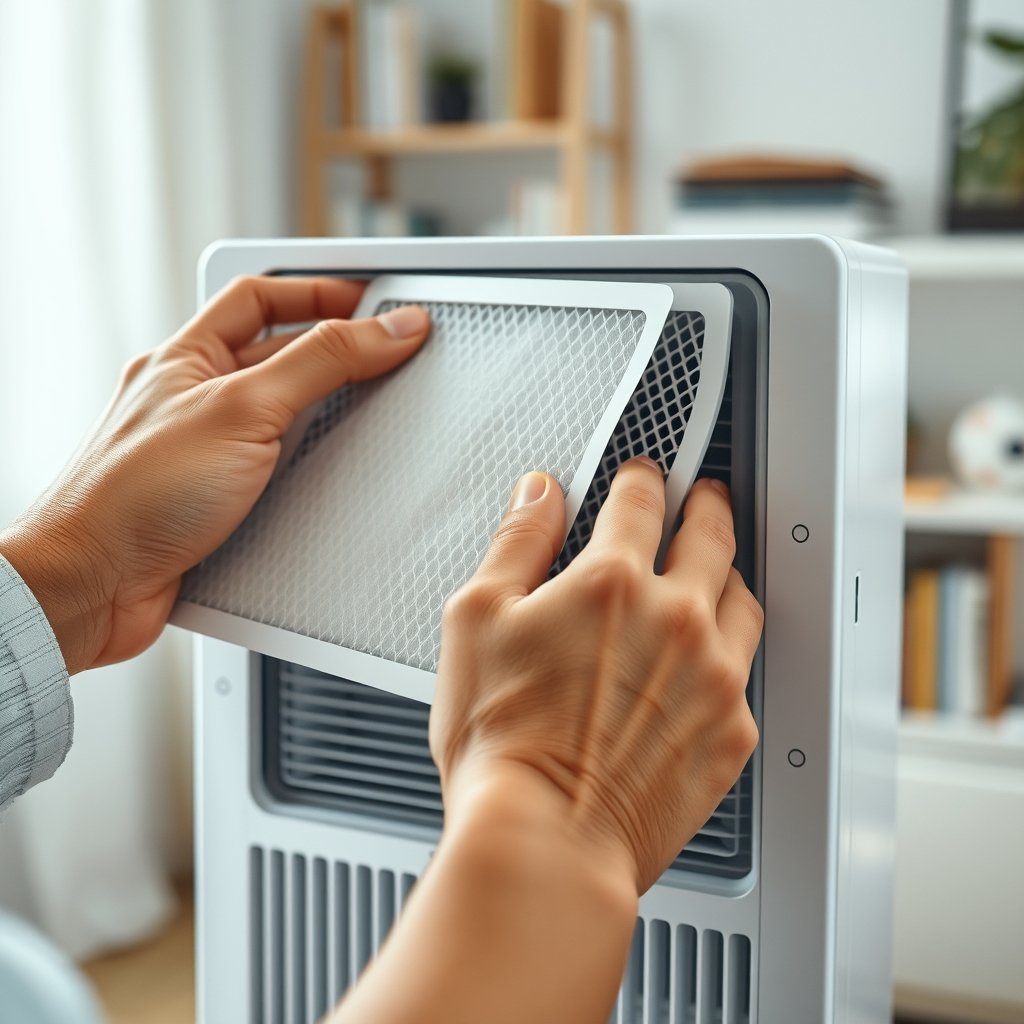
The Levoit Vital 200S is a textbook mid-range HEPA air purifier bedroom unit: CADR 242–260 CFM, covers up to 375–380 sq. ft. at 5 air changes per hour, and reports real-world noise and power numbers. Higher-end models like the Blueair Classic Pro CP7i can handle larger rooms with less noise at the same ACH (market research).
Real-world bedroom complaints—noise, running power and maintenance
Even the top-rated home air purifier for mold spores can disappoint if it’s loud, expensive to maintain, or unreliable. Here’s what real owners complain about:
- Fan Noise: Common complaint, especially on high speed (often 50–60 dBA). Look for units with quiet/”night” modes (as low as 23 dB on Levoit Vital 200S) or larger filter surfaces so fans run at lower RPMs for the same ACH.
- Continuous Power Draw: Higher CADR usually means energy use of 70–110 W when running 24/7. Look for Energy Star or ETL/CSA marks for efficiency.
- Filter Replacement Cost: True HEPA filters last 6–12 months and cost $50–$120 per set. Set reminders to check; clogged filters raise noise/power instantly.
- Placement and Coverage: Units crammed in corners or blocked by furniture perform much worse—keep 18–24 inches of clearance on all air intake/output sides.
If you want to compare running costs for the best air filter for allergies across your home, see our air quality monitor for home guide for monitoring and troubleshooting tips.
Air purifier vs dehumidifier for mold—complementary or competitive?
Both purifiers and dehumidifiers help with mold, but in different ways:
- HEPA Air Purifiers: Remove airborne mold spores, reducing exposure. Essential for allergy or asthma households, but won’t prevent new growth if humidity stays high.
- Dehumidifiers: Lower humidity to ≤50% (ideally 30–45%), making it harder for mold to germinate or return. Alone, they do not remove existing spores from the air.
- Best Results: Use both in tandem—a HEPA air purifier for mold spores paired with a dehumidifier and an air quality monitor for home covers the full problem (removal plus prevention).
Newer multi-function (combo) devices exist, but single-function units remain most common (≈70.8% in 2025); the combo segment is growing by 11.1% per year[market report]. For practical tips on bathroom and humid environments, see mold resistant paint for bathroom.
Certifications and independent testing you should demand
Most buyer mistakes happen because of clever packaging, not proven performance. Demand these:
- AHAM Verifide: The Association of Home Appliance Manufacturers certifies CADR for dust, smoke, and pollen using independent lab tests. Look for the AHAM Verified logo.
- ISO/Lab Certification: ISO 29463 (for HEPA) or similar independent results. Verified test reports should show ≥95% removal of 1–5 µm spores—a classic size for dangerous mold.
- Energy Star/ETL/CSA: Power and safety marks help, but mean little for mold specifically unless they include air performance data.
Don’t accept “99.97% HEPA” without a lab report or AHAM/ISO number for your room size. Use a certified air quality monitor for home to verify results.
Budgeting: upfront cost vs running cost
Don’t be blindsided—owning the best air filter for allergies or mold means paying for filters, plus steady electricity and, sometimes, unexpected noise issues:
| Tier | Price | Typical CADR | Noise Range | Filter Cost | Yearly Power* (24/7 use @ $0.15/kWh) |
Total Year 1 Cost |
|---|---|---|---|---|---|---|
| Budget | $100–$150 | 130–180 CFM | 40–60 dBA | $50–$80 | $90–$130 | $240–$280 |
| Mid-range (Levoit Vital 200S) |
$179–$199 | 240–260 CFM | 23–54 dB | $70–$120 | $80–$110 | $259–$319 |
| Premium | $300–$600 | 350–460 CFM | 30–45 dBA | $100–$160 | $110–$180 | $510–$740 |
*Power based on published “continuous running” wattage—see manufacturer’s specs.
To lower expenses: set the device to “auto” during the day, use night mode in smaller rooms, and clean prefilters monthly. For a deeper dive into utility costs and rebates, see smart thermostat payback guide.
Top picks by room size and budget
Don’t waste money on overhyped, underpowered units. Here are real options across budgets, with rationale for mold spore control in bedrooms:
- Budget: Clorox Large Room True HEPA — 160–180 CFM, okay for rooms ≤200 sq. ft, main compromise is louder fan at high speed, filter cost $80 annually.
- Mid-range: Levoit Vital 200S — CADR 240–260 CFM, covers up to ~375–380 sq. ft at 5 ACH, true HEPA, 23–54 dB noise, $179–$199. Best blend of price, verifiable results, and quiet operation[test data].
- Premium: Blueair Classic Pro CP7i — CADR 460 CFM, quietest at 30–45 dBA, “Asthma & Allergy Friendly” certified, runs $400–$600+, filters cost $100–$160/year. For large master bedrooms, top performance but steeper up-front and filter price.
- Multi-function/Combo (growing segment): Look for multi-stage Coway Airmega units that combine high CADR with smart humidity sensors for apartments or climates with variable RH.
For more on controlling allergies throughout your home, try our outdoor solar lights guide for mold-prone patios.
Placement, operation and monitoring checklist
Don’t simply “plug it in and forget.” For the best mold results, follow these steps:
- Placement: Put your purifier near the most slept in/lived in part of the bedroom, away from walls/corners (18–24 inch clearance), and never block intake with blankets or furniture.
- Settings: Run on “high” for 1 hour before bed, then shift to “sleep” or low mode. If you have scheduled fans or smart sensors, automate this for minimal disturbance.
- Monitoring: Use an air quality monitor for home to check for spikes in PM1/PM2.5 (fine particles) and keep RH at ≤50% (optimally 30–45%) with a dehumidifier if needed.
- Maintenance: Clean prefilters monthly, replace primary filters every 6–12 months (set a phone reminder), and wipe dust from grilles weekly.
Consistent operation and basic hygiene make a big difference in keeping allergy symptoms and musty odors away. For more tips on home upgrades that reduce allergens, check out our foam insulation vs fiberglass guide.
Three expert facts most articles miss
Even top-ranking guides often miss these must-know facts for home air purifier for mold spores buying:
- Independent Lab Validation: Only AHAM Verifide or ISO-certified units can prove ≥95% removal for 1–5 micron spores. Demand lab reports—not just HEPA marketing.
- Required ACH/CADR: For real mold reduction, size for 4–6 ACH—meaning 250–300 CFM for 300-sq-ft bedrooms. Most mass-market “99.97%” units miss this.
- Humidity Target: Field studies show RH ≤50% (ideally 30–45%) is the magic bullet for keeping spores from germinating—even with a great purifier, monitor and control humidity for lasting results.
Looking for more ways to allergy-proof your space? See our blackout curtains for bedrooms guide for sleep benefits.
Call to action and quick buyer’s checklist
If you want a reliable, cost-effective home air purifier for mold spores, don’t fall for “HEPA” hype or undersized models. Use this quick checklist before you buy:
- Calculate your CADR: (Room length × width × height × target ACH) ÷ 60 — for most bedrooms, 4–6 ACH means 250–300 CFM minimum.
- Check that “true HEPA” or MERV 13–16 is backed up with lab (AHAM/ISO) validation for spore removal.
- Budget for yearly filter replacement ($50–$120) and electricity (usually $90–$130 for 24/7 use).
- Noise < 55 dBA at any speed you’ll use for sleep—mid/premium models go as low as 23 dBA in night mode.
- Monitor and control your bedroom RH—keep ≤50% (ideally 30–45%) to prevent new mold no matter the season.
Ready to breathe easy? Shop for a device with independent test data, the right CADR for your room, and plan for filter plus electricity annually. If you need to measure RH or air particles, see our air quality monitor for home reviews as your next step.
FAQ
Can a home air purifier remove mold spores completely?
No purifier can remove every single spore, but a unit with true HEPA (or MERV 13–16) filter and proper CADR will reduce airborne spores by ≥95% in a closed bedroom, according to independent lab tests.
Is a dehumidifier needed if I already have a HEPA air purifier bedroom setup?
Yes, if your room’s relative humidity stays above 50%. Purifiers trap spores, but dehumidifiers prevent mold growth in the first place.
How often do HEPA filters for mold need to be changed?
Plan for 6–12 months between replacements depending on usage, with filter costs ranging from $50–$120 per year for most mid-range models.
Can I use a smaller air purifier to save money?
Undersized units won’t give you the needed air changes per hour for mold control. For most bedrooms, target at least 250–300 CFM CADR or you risk ineffective results.
Do “smart” purifiers with monitors work better for mold?
They offer convenience but actual spore reduction depends on filter type and CADR, not app features. Use a separate air quality monitor for reliable tracking.
—