

### Blog Post:
Artificial turf installation cost is one of the first numbers every homeowner asks about when considering a synthetic lawn. But the real picture goes beyond the headline figure—especially if you own a dog, want low maintenance, or are torn between DIY and hiring a pro. In this guide, you’ll see up-to-date price ranges, real-life examples, and the long-term pet owner tradeoffs most articles skip.
Key Takeaways
- Artificial turf installation cost in 2026 typically ranges from $10 to $20 per square foot with a 500-square-foot project averaging about $7,500.
- Long-term maintenance is 70-90% cheaper for synthetic grass than real sod, but pet owners should budget extra for pet system and odor control.
- DIY projects can cut labor costs but come with real risks like drainage errors and voided warranties—realistic DIY costs range $1,761 to $5,393.
- Quick answer: How much does artificial turf installation cost in 2026?
- Synthetic grass vs real grass — upfront cost comparison
- Long-term ownership costs & ROI (maintenance, lifespan, 15-year examples)
- Regional variations & what to expect in your area
- DIY vs professional installation — real cost, time & risk
- Most reported user complaints & regrets after installing turf — what to watch for (focus: pet owners)
- Best artificial turf for dogs & pet-specific maintenance checklist
- Common DIY installation challenges (and how they raise real costs)
- Safety, environmental, and performance gaps top articles miss
- Practical decision checklist + simple cost calculator inputs
- Recommended sources and questions to ask a pro (closing CTA)
Quick answer: How much does artificial turf installation cost in 2026?
The average artificial turf installation cost in 2026 is typically between $10 and $20 per square foot, all costs included. Most quoted projects land in this band, although discount or high-end jobs can be as low as $5.45 or as high as $22 per square foot depending on your location and scope.[1] For a standard 500-square-foot suburban yard—about the size many pet owners look to upgrade—you’ll often see bids around $7,500.
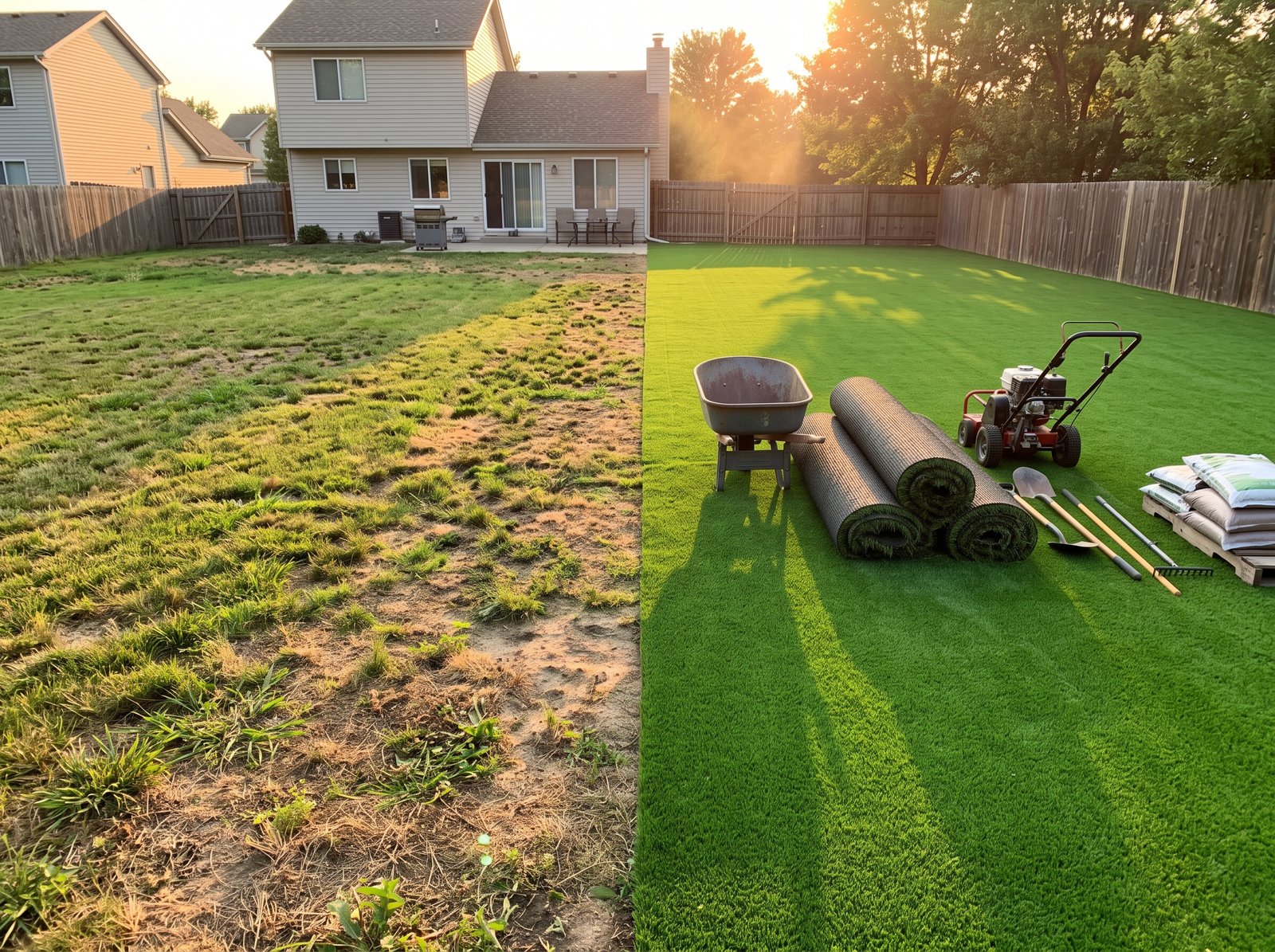
Why the wide price range? Factors include turf quality, pet-specific upgrades, sub-base preparation, local labor, and whether you want premium antimicrobial materials. Don’t forget: these quotes usually include site prep, material, labor, and warranty—but not always pet system upgrades. For pet owners, the top-tier “pet turf” systems tend to push costs higher.
Synthetic grass vs real grass — upfront cost comparison
Sod can make real grass seem like a winner on day one. Natural sod installation is typically priced at $2-$4 per square foot.[6] However, this figure does not include essentials like irrigation ($1-$3/sq ft) or drainage improvements—meaning true startup costs reach $3-$7 per square foot. Synthetic turf, on the other hand, generally lands between $8 and $19 ($8-$14 in many Orange County projects[6]). The upfront difference is noticeable, especially on larger yards.
| Cost Factor | Natural Sod | Artificial Turf |
|---|---|---|
| Initial Install | $2-$4/sq ft | $8-$14/sq ft |
| Irrigation/Drainage | +$1-$3/sq ft | Included |
| Pet System (antimicrobial) | Extra | +$2-$4/sq ft |
So, if pet odor and ease of cleaning are critical, factor in these real extras—not just the base “cost per square foot” headline.
Long-term ownership costs & ROI (maintenance, lifespan, 15-year examples)
The sticker price only tells half the story: long-term maintenance is where the real savings (or headaches) show up. Artificial grass maintenance for a typical residential yard is usually quoted at $250–$350 per year—covering things like brushing, washing, spot repairs, and infill checks. Real grass, however, runs much higher: $1,500–$6,000 per year when you add up mowing, water, fertilization, weed control, aeration, and irrigation repair.
Let’s compare the real numbers for a 1,000-sq-ft yard over 15 years:
| Scenario | 15-Year Total |
|---|---|
| Artificial Turf (Install + Maintenance) | $26,750 – $36,250 |
| Natural Grass (Sod + Upkeep) | $39,000 – $71,500 |
Synthetic turf typically lasts 10–20 years—most warranties fall at the 15-year mark—and strong pet systems do best when cleaned and maintained per manufacturer guidance. For most suburban yards, the lifetime savings are significant, but start-up costs take 6–10 years to “break even.” [4]
Regional variations & what to expect in your area
Not all quotes apply nationwide. Your artificial turf installation cost is shaped by labor rates, soil conditions, accessibility, and whether you need a “pet system.” California’s a prime example: the range is $5.45–$20 per sq ft statewide, but most Orange County suburban jobs hit $8–$14 per sq ft.[1] Cold-climate yards may require special underlayments or frost prep, while arid regions may qualify for rebates but also need premium turf with better UV and drainage performance.
Tip: Always compare at least 2–3 local bids and see if these extras are included: demo/removal, edge treatment, drainage improvements, and pet system upgrades.
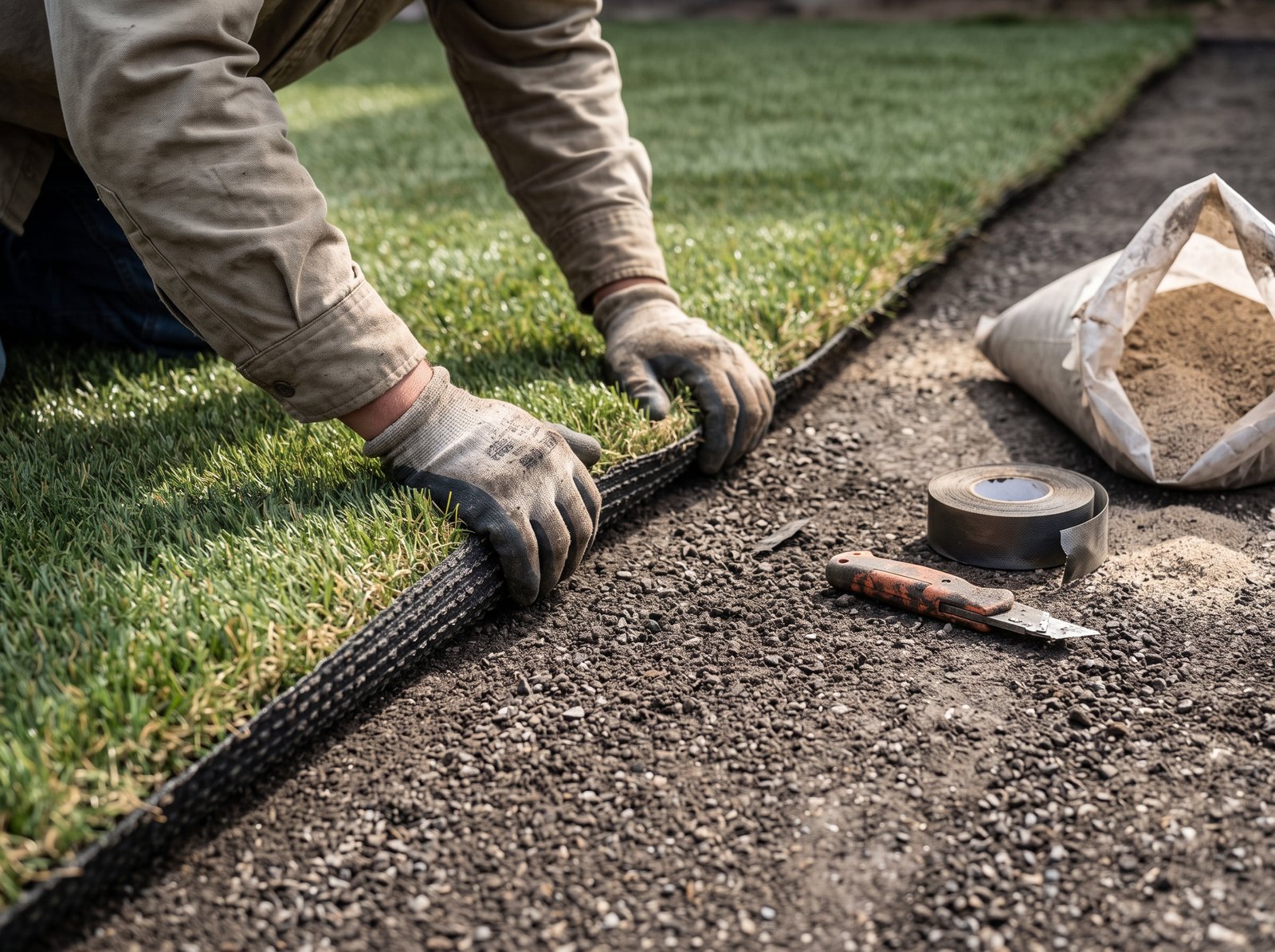
For a deeper dive into cost swing by region, see our guide to flooring installation costs—many of the same market pressures are at play.
DIY vs professional installation — real cost, time & risk
If you’re handy, turf installation DIY can shave thousands off your total bill. Material and rental/tool costs for a 500–1,000 sq ft project usually fall between $1,761–$5,393. However, this number doesn’t account for:
- Time spent on grading and compacting
- Potential re-dos due to mistakes or improper prep
- No manufacturer warranty if installed outside spec
- Risk of pets damaging seams or infill through digging/urine
Professional installations add up to $10–$20 per sq ft but include labor, debris removal, and (often crucial) warranty coverage. If your yard slopes or has complicated drainage, DIY can become a headache—and remedying mistakes is rarely cheap. For real-world visuals of what even experienced DIYers face, compare this with best practices in our garage conversion ADU guide.
Most reported user complaints & regrets after installing turf — what to watch for (focus: pet owners)
Most top cost guides gloss over post-install pitfalls. Our research showed a pattern: heat, odor, inadequate drainage, artificial look/feel, unexpected repairs (like seam splits or wrinkles), and more. For best artificial turf for dogs scenarios, problems include:
- Odor control (urine trapping and bacteria buildup)
- Hot surface temperatures in full sun (can burn paws, or make yards unusable for hours)
- Scratching, chewing, or infill ingestion risk for curious pets
- Drainage failures (especially for multi-dog households or clay soil)
Unfortunately, major cost guides and manufacturer datasheets don’t report on complaint rates or pet-specific regret data directly—these are often only found in third-party review forums and local contractor feedback.
Just as with washable rugs for pets, do not rely on headline cost alone—plan for realistic upkeep and be aware of limitations with dogs using the turf daily.
Best artificial turf for dogs & Pet-specific maintenance checklist
Dog owners should seek out turf systems specifically designed for pets—these feature antimicrobial backing, extra drainage holes, shorter blades (pile), and infill that resists odor trapping. Request “pet system” specs and pricing ($8–$14/sq ft is typical in Orange County[6]). These systems may cost slightly more but solve headaches before they start.
- Drainage: Look for at least 30+ permeability holes per square foot to prevent standing urine or puddles.
- Antimicrobial backing: Reduces the risk of bacteria growth and odors.
- Short pile with durable fibers: Easier to clean, less likely to trap fur, dirt, or pet waste.
- Specialized infill: Opt for Zeolite or coated sand, which neutralizes ammonia odors from urine.
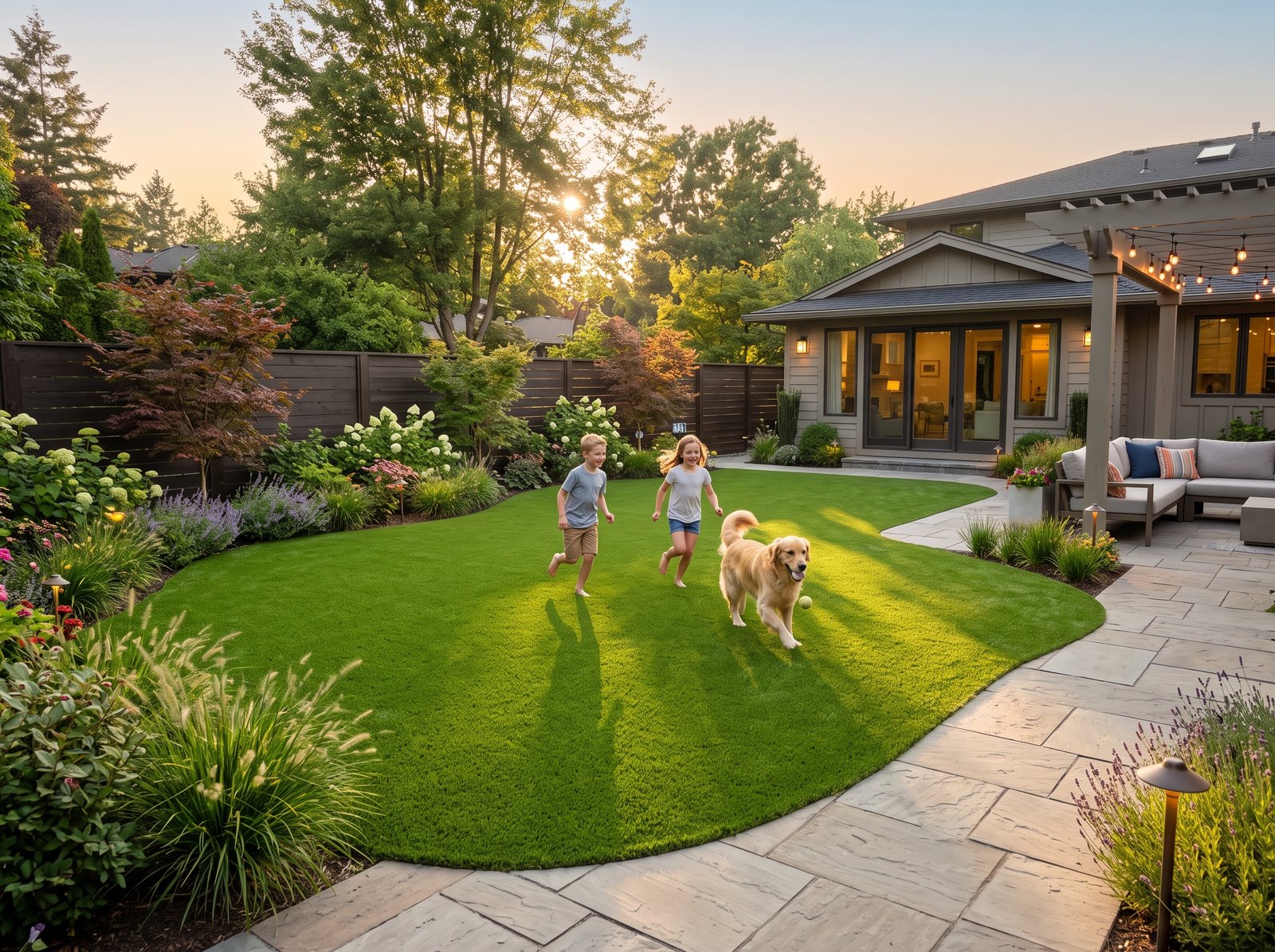
Pet-specific maintenance checklist:
- Daily: Scoop solid waste, rinse the area (especially spots used for bathroom breaks).
- Weekly: Hose down the turf and lightly brush to lift fibers and prevent matting.
- Monthly: Apply pet-safe turf deodorizer or enzyme cleaner; inspect drainage and edges.
- After storms: Check backing and seams for lift or pooling.
- Annually: Schedule a pro cleaning and infill top-up if odors return or areas appear compacted.
If recurring odor or drainage problems pop up, get a pro to assess—many warranty calls stem from incorrect infill or missed maintenance steps. For more DIY-friendly cleaning ideas, browse our post on washable rugs for pets.
Common DIY installation challenges (and how they raise real costs)
Many first-time DIYers underestimate how tough turf installs can be. Key risk areas include:
- Grading and compaction (uneven surfaces will show, and poor compaction causes dips after a winter)
- Proper sub-base and drainage (wrong materials cause pooling, rapid wear, and pet odor buildup)
- Seaming and anchoring (visible seams, fraying, or shifting are common beginner mistakes)
- Measuring and ordering (ordering too little or the wrong type wastes money)
- Professional tools (power compactors, turf cutters, seam tapes and glue—not always cheap to rent)
The bottom line: DIY saves labor, but mistakes add up fast in rework—and may void the manufacturer warranty. If your yard isn’t flat, or you need a pet-grade system, a pro’s upcharge can be worth every penny for peace of mind.
It’s similar to the risks we detail for DIY peel and stick tile installs—surface prep makes or breaks the job, and hidden errors can be costly down the line.
Safety, environmental, and performance gaps top articles miss
Most articles focus just on initial cost and warranty lifespan, but smart homeowners should look deeper. Here’s what’s underdiscussed about artificial turf installation cost and synthetic grass vs real grass for long-term value:
- Heat retention & microclimate: Turf can be 30–60°F hotter than natural grass. This affects pets and can make play areas unusable during the hottest hours.
- Chemical/toxin questions: Ask for low-lead, PFAS-free, and BPA-free certification if concerned about children or dog exposure.
- Drainage and runoff: A blocked or cheap base causes standing water and nasty odors. In regions with heavy rain, special bases may be vital.
- Fire safety: Most turf isn’t flammable but can melt or scorch. Avoid open flames or embers (firepits, grills) nearby.
- Warranty fine print: Some warranties are void if you install yourself or if you don’t follow exact cleaning/maintenance rules (especially for homes with dogs).
- Climate suitability: Some turf types work better in full sun or extreme cold—make sure the product matches your regional conditions.
Still curious about sustainable alternatives or eco-minded fixes? See our rundown of xeriscaping front yard options for low-water yards.
Practical decision checklist + simple cost calculator inputs
Before making the leap, run through these must-ask decision points:
- What is your total yard size in square feet?
- How many pets use the yard daily (dogs, cats, etc)?
- How much sun does the area get? Any drainage or pooling issues currently?
- Is long-term resale value a priority?
- What is your upfront budget? Is DIY realistic given your tools and time?
Simple artificial turf installation cost calculator template:
Total Project Cost =
  (Square Feet) × (Turf Price per Sq Ft)
  + Base Prep ($0.75–$2/sq ft)
  + Drainage System ($1–$3/sq ft, if needed)
  + Pet System Upgrade ($2–$4/sq ft, if needed)
  + (Annual Maintenance × Years Owned)
Plug in realistic numbers—if you estimate high, you’ll avoid budget shock and regret down the line.
Recommended sources and questions to ask a pro (closing CTA)
Ready to request bids or interview contractors for your artificial turf installation cost? Always ask for:
- A detailed drainage and sub-base plan
- Written warranty details (pet-specific, fade, seams, pro/DIY installation rules)
- Expected lifespan and cleaning/maintenance schedule
- Complete pet system specs and product type
- References and before/after photos from real jobs (especially with dogs)
- Itemized bid, including site prep, disposal, and all add-ons
For any significant home investment, get at least 2–3 competitive bids—service, turf quality, and price vary more than you’d expect. Want more tips on evaluating big home upgrades? Browse our guide on window replacement cost in 2024 for comparison.
Have more questions about turf installation DIY or comparing grass types? Check out the detailed research and data at Hall Turf or Complete Synthetic Turf. Make your money and maintenance decisions based on the full lifecycle, not just the sticker price.
FAQ
What is the average artificial turf installation cost for a 1,000 sq ft yard in 2024?
Most sources report a typical range of $10–$20 per sq ft. For a 1,000 sq ft yard, expect total costs of $10,000 to $20,000 for a full pro install, including prep and materials but not premium pet upgrades or major drainage work.
How long does artificial turf last—and what factors reduce its lifespan?
Most turf is rated for 10–20 years, with warranties around 15 years. Pet activity, poor sub-base, low-quality infill, and skipped maintenance will reduce usable life. Pet-specific systems help, but heavy dog traffic or standing water can shorten lifespan sharply.
Does DIY artificial turf installation really save money?
It can—material-only costs for a medium-size yard are often $1,800–$5,400, about half the cost of pro installation. However, not factoring in tool rental, risk of rework, and loss of warranty can eat up much of the savings for inexperienced DIYers.
What’s the best artificial turf for dogs?
Look for short-pile, antimicrobial, and high-drainage models, paired with a Zeolite or silica-infill—these reduce odors and bacteria. Ask local turf suppliers for a “pet system” package designed specifically for active dog yards.
How much does ongoing artificial grass maintenance cost?
Annual maintenance (cleaning, infill top-up, minor repairs) is usually $250–$350 for most home lawns. Add more if you have multiple dogs or heavy tree litter to manage on the turf.
—