

### Blog Post:
DIY kitchen cabinet refacing is the most cost-effective way to give your kitchen a major facelift in 2026, but most articles skip over the real numbers, hidden pitfalls, and long-term value questions that matter. Here we break down costs, compare kit options, and reveal what truly makes sense for a budget-minded homeowner—so you avoid regrets and squeeze every dollar of value from your upgrade.
Key Takeaways
- DIY kitchen cabinet refacing can save thousands over full replacements, but kit quality, prep, and durability vary hugely.
- Most articles ignore hidden costs, financing options, and the true, per-year lifespan of each approach—don’t decide until you do the math.
- No published average exists for door-only swaps; estimating your kitchen’s real cost requires some homework and competitive quotes.
- Quick Executive Summary — Which Option Saves Money & Value
- 2026 Cost Comparison — DIY Refacing, Kits, Door-Only, Full Replacement
- When DIY Kitchen Cabinet Refacing Actually Makes Sense
- What to Expect from Cabinet Refacing Kits — Savings & Limits
- The Door-Only Option — How to Evaluate It
- Painting Cabinets Without Sanding and DIY Pitfalls
- Long-Term Durability and Lifespan
- Financing, Incentives, and ROI
- Resale Impact — Refacing vs Replacement
- Decision Checklist & Quick Calculator
- How to Avoid the Most Common DIY Mistakes
- Recommended Materials, Kit Checklist and When to Hire a Pro
- Closing Recommendations and CTA
- Frequently Asked Questions
Quick Executive Summary — Which Option Saves Money & Value
When comparing DIY kitchen cabinet refacing versus full replacement, the biggest difference is cost and kitchen disruption. DIY refacing averages about $6,518 (Home Guide), refacing kits run $100 to $250 per set, and full replacement can reach $15,000 to $35,000 or more (America’s Advantage Remodeling, Maison Remodeling). DIY and kit options are best for solid cabinet boxes and quick upgrades, but don’t always match the long-term look or durability of new cabinets. The right choice hinges on your budget, timeline, and willingness to do hands-on work—whereas full replacement scores highest for resale and longevity, but costs much more.
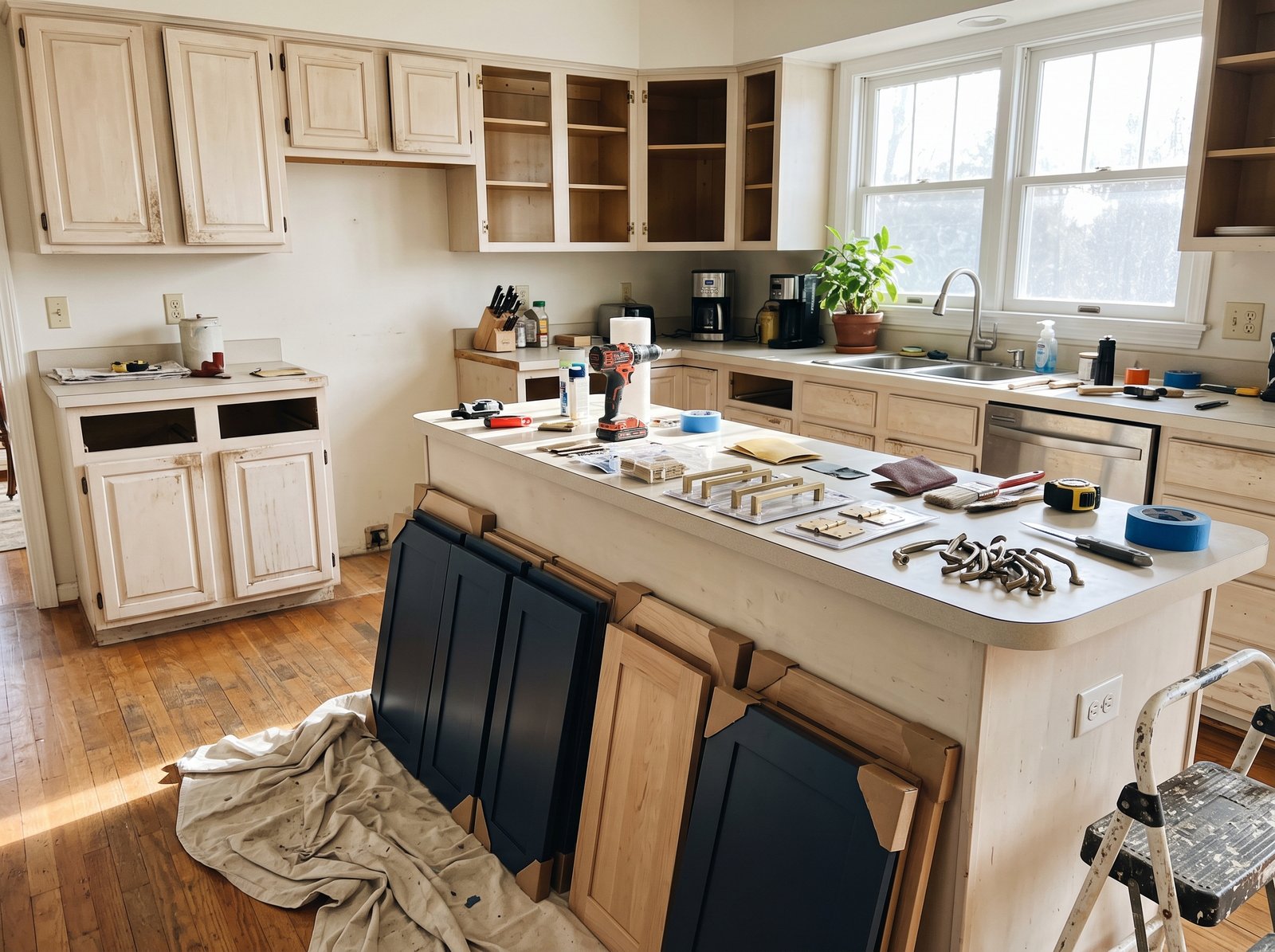
2026 Cost Comparison — DIY Refacing, Kits, Door-Only, Full Replacement
Here’s a breakdown of what you can expect each option to cost in 2024, mapped to kitchen sizes and common scenarios:
| Option | Typical Cost Range | Scenario | Best For |
|---|---|---|---|
| DIY Cabinet Refacing | $4,214 – $8,110 (avg. $6,518) | 10′x12′ kitchen, solid frames | Handy owners, healthy boxes |
| Cabinet Refacing Kit | $100 – $250 / kit | Small-to-medium kitchen, limited doors | Fast refreshes, lower skill |
| Door-Only Replacement | No published average (varies by door) | Estimate $50–$200/door + install | Solid boxes, modernize look |
| Pro Cabinet Refacing | $4,000 – $9,500 | All sizes, pro-grade finish | Zero learning curve, longevity |
| Full Cabinet Replacement | $15,000 – $35,000+ | All new cabinets, layout changes | Best resale, longest lifespan |
Want to tackle more budget-friendly kitchen upgrades? Don’t miss our easy peel and stick backsplash guide.
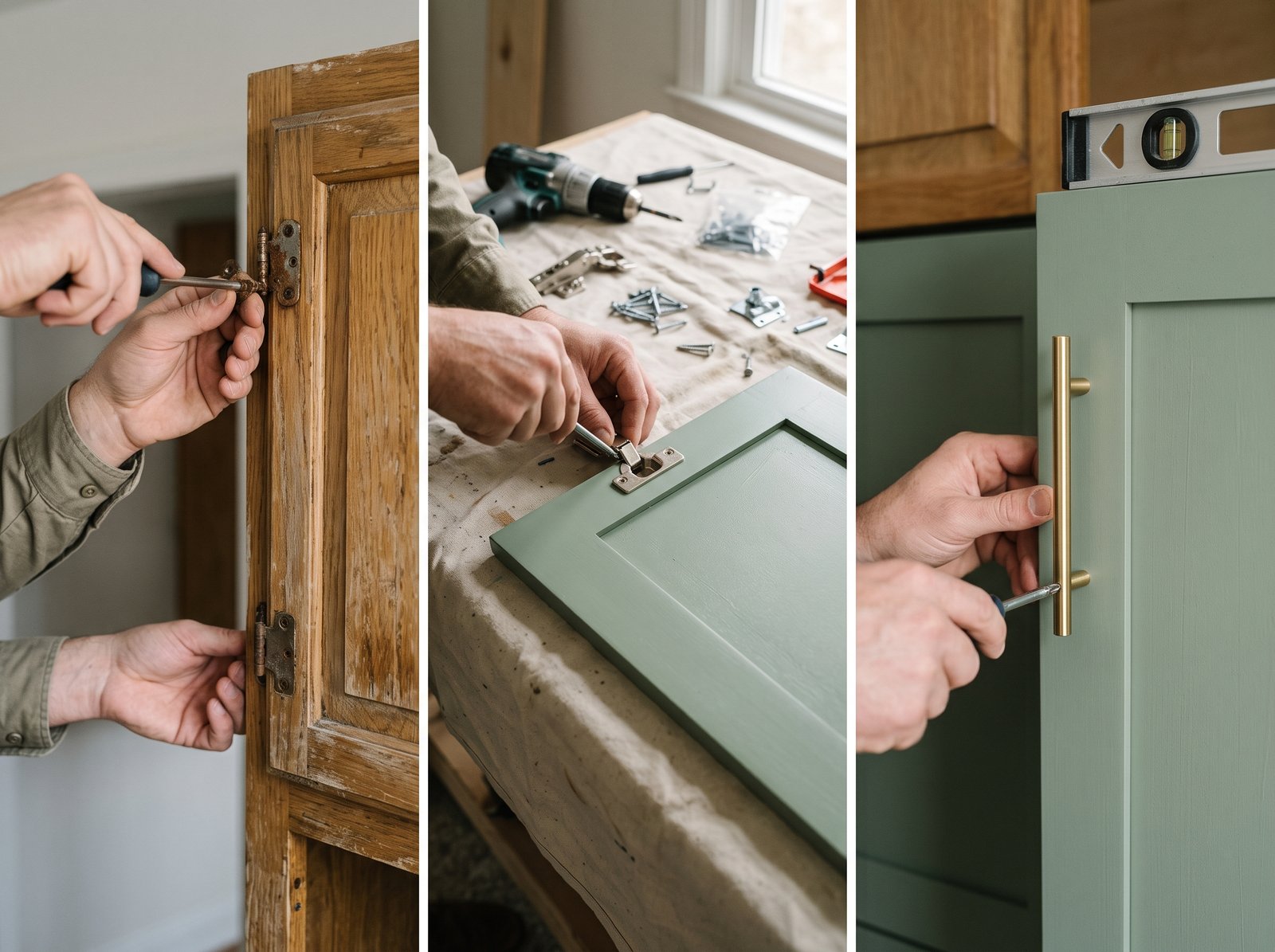
When DIY Kitchen Cabinet Refacing Actually Makes Sense
DIY kitchen cabinet refacing is worth it when your cabinet boxes are sturdy, hinges are solid, and you want the biggest savings for the least disruption. Painting kitchen cabinets without sanding or using a basic refacing kit can keep a mid-range kitchen upgrade around $6,518—shaving off $10,000 or more compared to new cabinets.
But there are trade-offs. DIY means you live with any mistakes, alignment flubs, or uneven finishes. This approach is best if:
- Your cabinet frames are in great shape and feel solid
- You’re able and willing to do multiple days of hands-on DIY, including prep and finish
- Savings matter more than getting a perfect, showroom-level cabinet finish
- You’re comfortable with some risks in longevity—DIY often lasts 5–10 years with touch ups vs. 15–25+ years for new cabinets
If you only want to paint without sanding, pay extra attention to cleaning, degreasing and using a strong bonding primer. Shortcuts here lead to peeling paint and frustration. For more ideas on tackling tricky kitchen projects, see our small bathroom remodel on a budget tips.
What to Expect from Cabinet Refacing Kits — Savings & Limits
Cabinet refacing kits usually include veneer sheets, edge banding tape, sandpaper, application tools and basic adhesives, and cost between $100–$250 per kit (Kitchen Cabinet Guys). They’re ideal for flat-front or simple shaker cabinets, where doors and frames are standard shapes and trim is straightforward.
Most kits don’t work well with elaborate molding, ornate trim or curved profiles. Veneer can struggle to adhere to edge bevels or deep grooves. If your kitchen had custom-carved doors, skip kits and consider pro refacing or new doors. Also, DIY kits don’t include new doors—just surface treatments and banding.
Kits offer real savings by eliminating labor charges, but require slow, careful prep for best results. For renters or temporary upgrades, this is often “good enough.” For a permanent upgrade, understand that thin veneer may chip or fade sooner than factory laminate or real wood fronts. Needing more high-impact budget upgrades? Our guide on affordable flooring installation lays out more choices.
The Door-Only Option — How to Evaluate It
“Cabinet door replacement only” means keeping your existing cabinet boxes and hardware, but swapping out just the doors and drawer fronts. This is the ultimate middle ground if your boxes are solid but styles have dated quickly, or the finish is beyond repair. It’s also sometimes called a “door swap” or “fronts upgrade.”
There is no readily available average cost published for door-only replacement—because prices swing wildly by door size, material, and whether you buy standard sizes or require custom orders. Expect to pay $50 to $200 per door, plus potential installation fees if you hire it out. Without a clean published average, you’ll need to tally up your exact number of doors/drawers, factor the material (MDF, thermofoil, solid wood), and get specific quotes from at least two suppliers or contractors.
This is the best value move if your layouts are fine and only the visible surface needs a refresh. It can be smarter than full refacing if doors are truly the only problem—especially in a mid-range kitchen where getting exact color/finish-match matters less than budget. For more context on when to tackle major versus minor upgrades, read our window replacement cost guide.
Painting Cabinets Without Sanding and DIY Pitfalls
Homeowners love the idea of painting kitchen cabinets without sanding, but this shortcut comes with downsides that many top articles gloss over. What goes wrong most often?
- Poor finish adhesion — cheap paint or no primer leads to easy chipping
- Inadequate surface prep — grease or gloss left behind prevents paint from sticking
- Durability issues — DIY jobs may show scratches and wear within 6 months, especially on high-touch doors and drawers
- Uneven texture/streaking — improper roller or brush selection makes for patchy coverage
- Hardware misalignment — reused hinges/handles can wobble, sag, or cause rubbing if holes aren’t re-drilled perfectly
Articles rarely report that many DIYers need to touch up or even redo fronts frequently—so weigh the hassle against short-term savings. For a deeper dive into refinishing techniques, the DIY Painting Tips article provides more hands-on detail.
Long-Term Durability and Lifespan
The true cost of any cabinet upgrade isn’t just the project budget—it’s how many years until you have to do it again. Here’s how the four main paths stack up over a typical 10–15 year ownership window:
| Method | Upfront Cost (avg.) | Lifespan (yrs) | Cost/Year (10yr) | Cost/Year (15yr) |
|---|---|---|---|---|
| DIY Refacing | $6,518 | 7-12 | $652 | $434 |
| Refacing Kit | $250 | 3-7 | $36 | $17 |
| Door-Only Replace | $1,000–$3,500* | 7-15 | $100–$350 | $66–$233 |
| Full Replacement | $25,000 | 20–25+ | $2,500 | $1,666 |
*Estimate for a standard kitchen, since averages aren’t published.
Takeaway: DIY and kit refacing win for lowest dollar outlay, but their cost per year advantage shrinks if you redo them often—or if a botched job hurts resale value. Want more inspiration for long-lasting, value-boosting projects? Dive into eco-friendly renovation strategies.
Financing, Incentives, and ROI
Most articles skip this crucial factor. If you need to borrow for your upgrade, consider:
- Personal loan—simple, but often higher rates
- Home improvement loan—designed for renovation, lower rates for higher credit
- HELOC or home equity loan—lowest interest but puts your house on the line
- Credit card—easy, but only for small kit jobs you can pay off quickly
Cabinet refacing or even “door-only” swaps might NOT add enough value to justify a loan (compared to full replacement). Ask your real estate agent for resale value comps on similar local kitchens, or get free quotes from kitchen contractors before committing to a financing plan. For larger renovation financing insights, see our home equity loan guide.
Resale Impact — Refacing vs Replacement
Most sources offer only vague statements about resale values. The truth: minor kitchen upgrades, including cabinet refacing, rarely deliver more than 50–70 percent ROI at sale, while full replacement can boost value but seldom pays back the full expenditure unless your neighborhood supports high-end comparables.
If you aim for maximum resale value, use these steps:
- Ask a local agent what buyers in your area expect—some markets value fresh fronts, others demand entirely new cabinets.
- Compare listing photos and sold prices for homes with refaced vs new cabinets.
- Don’t over-spend on customization; neutral, quality doors appeal to the most buyers.
If selling soon, prioritize looks and reliability—don’t splurge on custom storage unless it creates a wow factor for the right demographic. Our outdoor kitchen ROI analysis shows how other upgrades stack up.
Decision Checklist & Quick Calculator
Ready to decide? Use this quick checklist and cost-per-year formula to map your path:
- Cabinet boxes solid? (No rot, warping, or wobbling)
- Budget ceiling set? (Under $1,000 = kit/paint; $2,500–$7,500 = DIY refacing/door-only; over $15k = new cabinets)
- Time/test comfort? (DIY/kit = 2–5 days of hands-on work)
- Long-term outcome or short-term update?
- Resale within 5 years? (Leans toward pro refacing or replacement)
Simple cost-per-year example:
- DIY refacing ($6,518 ÷ 10 years = $652/year)
- Cabinet kit refresh ($250 ÷ 5 years = $50/year)
- Full replacement ($25,000 ÷ 20 years = $1,250/year)
Factor these numbers against your budget and move timeline before you start—regret is expensive.
How to Avoid the Most Common DIY Mistakes
- Test finish adhesion on the inside of a door before going all in
- Thoroughly clean and degloss even if you skip sanding—degreaser plus liquid deglosser beats “all-in-one primers” alone
- Prime every surface—water-based for most, shellac for old oil finishes
- Use quality brushes, mini-rollers, or a sprayer for a factory look
- Mark hardware hole locations for easier re-drilling and alignment
- Don’t rush drying times—most failures happen from impatience
- Call a pro if cabinets feel soft, frames sag, or doors simply don’t close right
Remember, most published DIY guides completely skip the details of these everyday pitfalls, which is why users so often post for help after starting. A little prep saves massive headaches—and money.
Recommended Materials, Kit Checklist and When to Hire a Pro
Here’s a smart shopping list for cabinet refacing kits and a few red flags that mean it’s time to hire a contractor or replace your cabinets entirely:
- Veneer (real wood or laminate, matched by color/thickness)
- edge banding tape
- Sandpaper or liquid deglosser
- Adhesive or contact cement
- Quality drawer/door pulls and updating hardware (if updating hardware)
- Proper primer and durable cabinet paint if painting
Hire a pro if:
- Boxes are warped, water-damaged, or soft to the touch
- Doors have complex trim requiring precision cuts or shaping
- You don’t want to risk mistakes in a high-value kitchen
- You need help with full layout redesign or ADA upgrades
Kit pricing ($100–$250) looks dirt-cheap compared to pro refacing ($4,000–$9,500), but skipping professional help for structural or highly-visible kitchens rarely pays off long term.
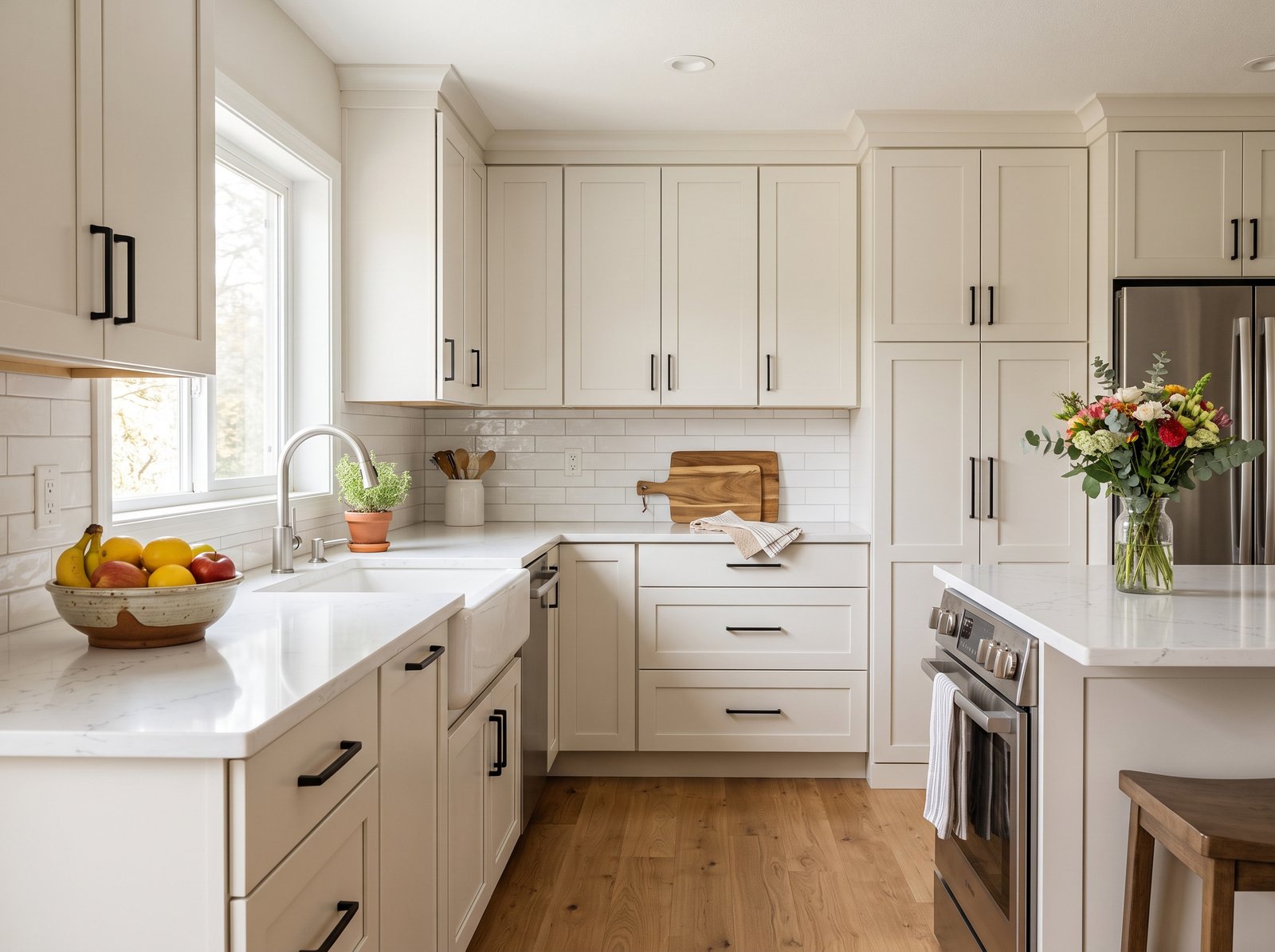
Closing Recommendations and CTA — Pick Your Path with Confidence
If your priority is saving money and your cabinet boxes are sturdy, a DIY kitchen cabinet refacing project using a kit or simple paint is the best move. For those who need maximum durability and resale value—or if kitchen cabinets are falling apart—full replacement is the smarter investment. Remember, kits start at $100–$250, DIY averages about $6,518, and full cabinet replacement typically runs $15,000–$35,000, with no clear published cost for “door-only” swaps. Use our checklist and per-year calculator to compare your options and always request 2–3 quotes before deciding.
Ready to get started? Price out your own kitchen variation—then check our full DIY kitchen cabinet refacing guide for more step-by-step details.
Frequently Asked Questions
Can I do DIY kitchen cabinet refacing without experience?
Yes, many homeowners with basic DIY skills can achieve good results. Start with a small test door, use quality materials, and follow all prep steps. Cut costs by using a kit but recognize mistakes can be permanent.
How long does a typical DIY refacing job last?
With careful prep and quality materials, expect 7–12 years before major touch-ups are needed. Thin veneer kits may need more frequent re-application or fixes every 3–7 years.
Does refacing increase home value as much as replacement?
No, cabinet refacing helps cosmetic appeal but rarely matches the boost of full replacement for resale. Expect up to 70% ROI for refacing—replacement garners the best returns only in upscale markets.
Are refacing kits as durable as professional refacing?
Generally not. Pro jobs use thicker, commercial-grade veneer or doors and may last up to 15 years or more, while DIY kits tend to wear faster, especially in high-use kitchens.
How do I estimate cabinet door replacement only cost?
Count your doors and drawers, select material (MDF, solid wood, thermofoil), and multiply by $50–$200 per piece. Add installation if you hire it out. Due to lack of published averages, exact pricing requires supplier quotes.
—