

Basement finishing ideas can quickly turn unused square footage into valuable living space or a profitable rental—but the costs, timelines, and real-world headaches often catch homeowners off guard. This guide strips away the guesswork with granular cost breakdowns, region-specific warnings, and design tips to stay on budget while maximizing value.
Key Takeaways
- In 2026, finishing a 1,000-sq-ft basement ranges from $7,000 to $23,000, with an average spend near $18,000–$19,000. Always add 15–20% contingency for the surprises.
- Labor costs, permit requirements, and regional codes massively influence your budget—Midwest/South regions are cheaper than Northeast/Pacific Northwest.
- Moisture, egress, and unresolved code issues cause the biggest overruns—detailed planning and strict contract terms keep you protected.
- Quick cost snapshot — what finishing a basement really costs in 2024
- Regional differences — where your dollar goes farther (and why)
- The overlooked line-item cost breakdown (the must-have spreadsheet) — unique insight
- Practical basement finishing ideas that control cost and boost usability
- Moisture, waterproofing, and foundation prep — avoiding the biggest regret
- Permits, egress, and code pitfalls that delay schedules and add costs
- Timeline and project staging — realistic schedule from bid to move-in
- How to prevent budget creep — contract, contingencies, and vendor red flags
- Post-completion maintenance roadmap — unique insight
- Climate and site-specific factors — what to change if you’re in cold, humid, or flood-prone areas — unique insight
- Return on investment and resale considerations
- Quick checklist + FAQ (buying guide for interviews and bids)
- Conclusion + next steps (call to action)
- FAQ
Quick cost snapshot — what finishing a basement really costs in 2026
For homeowners exploring basement conversion costs in 2024, expect a per-square-foot spend between $7 and $23. That puts a 1,000-square-foot basement project in the $7,000 to $23,000 range, with most homeowners landing close to $18,000–$19,000. These averages cover basics like framing, insulation, electrical, modest finishes, and egress—costs rise with luxury upgrades or structural work. Small project? Figure $2,800 and up for 400 square feet. [Source]
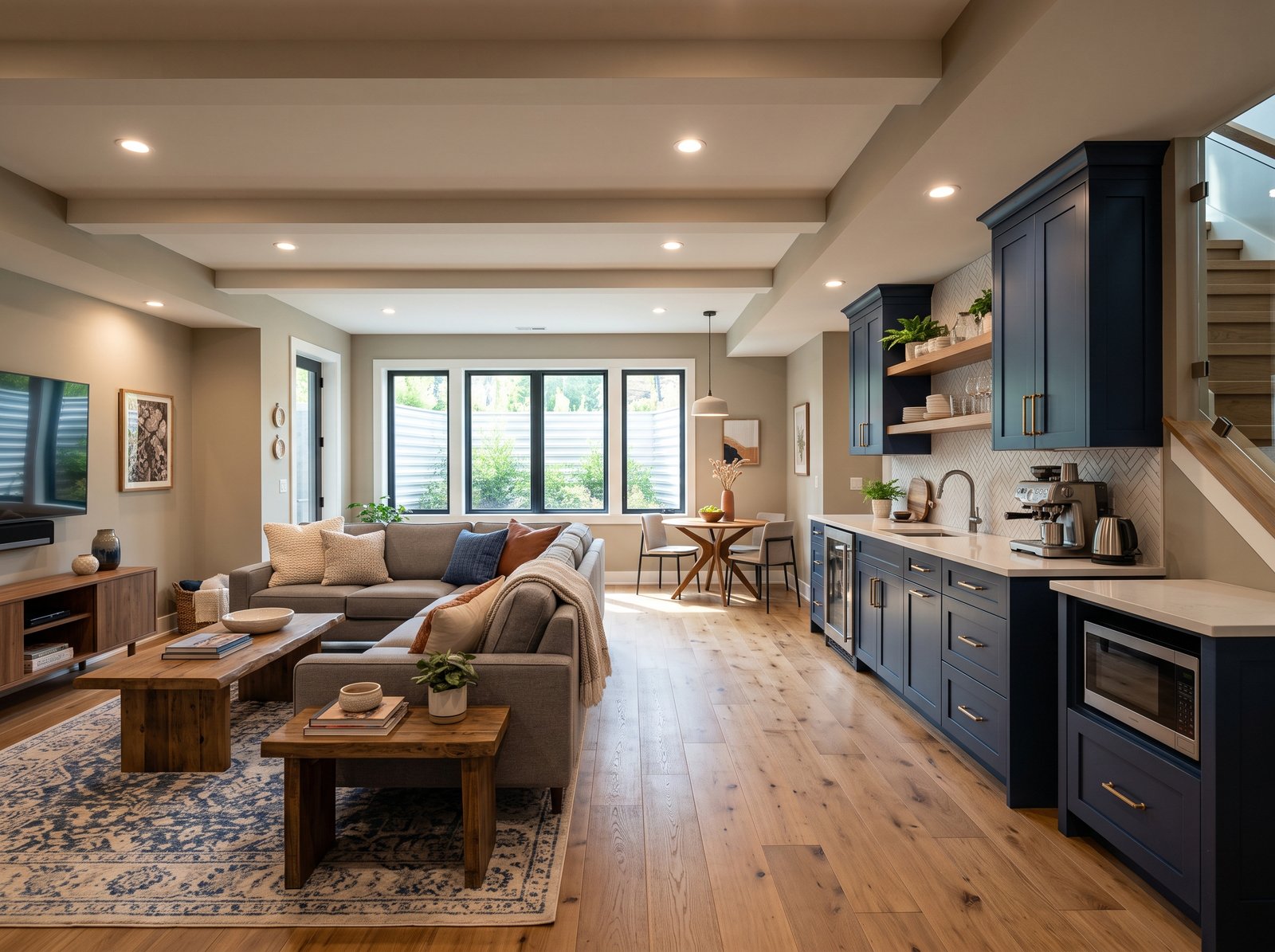
It’s not just materials—labor, permits, and region (see next section) play a huge role. Remember, unforeseen moisture or code problems frequently push projects 15–20% over initial quotes.
Regional differences — where your dollar goes farther (and why)
Basement conversion costs vary wildly by location. In higher-cost areas like the Northeast and Pacific Northwest, strict permitting, expensive labor, and tougher building codes push budgets toward $20–$23 per square foot. Permits alone may run double what you’d pay in the Midwest or South. If you’re renovating in the central or southern US, expect lower labor rates and looser code standards—$7–$13 per square foot is realistic. Adjust your spreadsheet and contingency based on your zip code, and always verify if your town requires special egress or waterproofing upgrades at extra cost. [Source]
For more details about maximizing investments on location, see our garage conversion ADU guide and compare regional permit requirements.
The overlooked line-item cost breakdown (the must-have spreadsheet) — unique insight
Most articles gloss over the exact costs behind a “finished basement.” Here’s a granular breakdown you need for accurate budgeting and vendor comparison:
- Framing (incl. treated bottom plates): $1,300–$2,800 for 1,000 sq ft [Cost Example]
- Waterproofing (sealing walls/floors, sump, drains): $640–$2,090
- Structural repairs (joists, slabs, cracks): $2,160–$7,735
- Egress window install: $1,900–$4,500 per window
- Electrical (new circuits, outlets, lights): $2,000–$5,000
- Plumbing (for bath or laundry): $2,500–$6,000
- HVAC extension/minisplit: $1,000–$4,000
- Insulation: $2,000–$3,500
- Drywall (moisture resistant): $0.55–$0.70/sq ft
- Flooring (LVP or carpet): $3–$6/sq ft
- Finishes (paint, trim, doors): $2,000–$5,000
Always add 15–20% buffer for the above, and map every quote line-by-line to weed out “missing” items some contractors conveniently skip. For more, see our garage storage system guide for similar line-item reporting best practices.
Practical basement finishing ideas that control cost and boost usability
No two basements (or budgets) are the same. Here’s how to stretch your dollar without sacrificing durability or function:
- Multi-use layouts: Opt for flexible open zones (playroom/guest space/home gym) with movable dividers—less framing and fewer finish costs.
- Mechanical closets: Group water heater, furnace, and sump into an easily accessed area—cheaper than relocating infrastructure.
- Close bathrooms to existing stacks: Minimize pricey drain and vent runs. Avoid putting a bath far from existing plumbing.
- Low-maintenance finishes: Luxury vinyl plank (LVP) is far better than carpet for moisture-prone zones. Painted exposed ceilings (rigid industrial look) can save $2–$5/sq ft over drop or drywall ceilings.
- Maximize natural light: Consider adding an egress window for both code and rental value. It can make a massive difference in perceived space—and resale.
If you want additional durability in wet climates, check out our SPC vs. LVP flooring guide that details the best materials for basements.
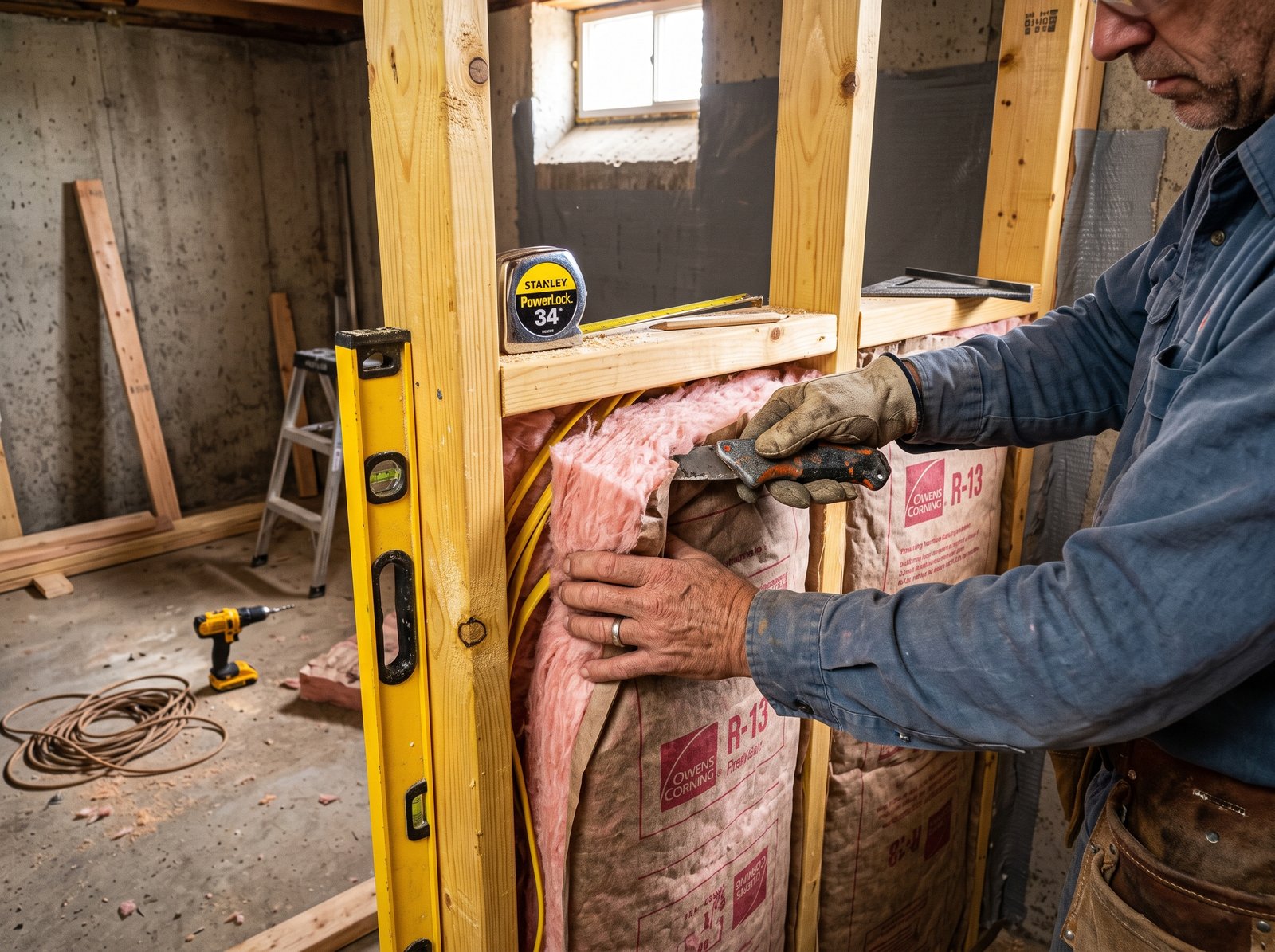
Remember: adding a full bathroom or kitchen bumps your basement conversion costs towards the upper end of the $7,000–$23,000 range.
Moisture, waterproofing, and foundation prep — avoiding the biggest regret
The number one regret with basement finishing ideas is failing to address moisture from the start. Before spending a dime on finishes:
- Perform a vapor emission test (calcium chloride test) to check for hidden leaks or high slab humidity.
- Install or inspect your sump pump and interior French drains—never skip this in flood zones.
- Use only pressure-treated bottom plates for walls contacting concrete to avoid future rot and mold.
- Check for cracks, efflorescence, or musty odors and resolve before building new walls.
Budget $640–$2,090 for waterproofing, and be honest about when to call a pro. DIYers can apply sealants, but professional solutions are best for chronic leaks or large cracks. Read why moisture prevention is critical. For more anti-mold upgrades, review our mold-resistant paint guide.
Permits, egress, and code pitfalls that delay schedules and add costs
A legal finished basement almost always demands permits and inspections. Plan for:
- Permit fees: $500–$1,500 depending on region and scope
- Permit approval: 2–6 weeks before construction starts
- Egress requirements: Bedrooms need a compliant window or door to outside; missing this voids “bedroom” status and rental use
- Code pitfalls: Minimum ceiling heights, smoke/CO detectors, GFCI outlets, waterproofing, and more—check your local jurisdiction
Get copies of all plans, scope-of-work, and contractor insurance before work starts. For more on project documentation, cross-reference our ADU cost and permitting guide.
Timeline and project staging — realistic schedule from bid to move-in
Staging is everything for a smooth project. Here’s the typical flow:
- Investigation/testing: Moisture checks, structural review, initial design (1 week)
- Permitting (in parallel): 2–6 weeks for approval
- Waterproofing/structural fixes: 1–2 weeks (before any framing or insulation)
- Rough-ins: Electrical, plumbing, HVAC (1 week)
- Framing, insulation, drywall: 1–2 weeks
- Finishes (floors, trim, paint): 1–2 weeks
That means a realistic total timeline is 4–8 weeks. Critical path items—permits and foundation work—dictate the rest. Design delays, change orders, or skipped waterproofing can halt progress for weeks.
How to prevent budget creep — contract, contingencies, and vendor red flags
Basement finishing ideas are notorious for change-orders and runaway costs. Protect yourself with:
- Detailed contracts with line-item scope and fixed pricing for all trades
- Written change-order protocols (any deviation requires homeowner pre-approval)
- 15–20% contingency fund for hidden issues (always set aside from the outset)
- Require proof of insurance, license, and local references
- Red flags: demands for big deposits, vague “allowances,” or pushing for cash “under the table”
Always get apples-to-apples quotes and ask what’s not included.
Post-completion maintenance roadmap — unique insight (what most articles miss)
Finished basements require ongoing maintenance to stay dry and healthy:
- Check sump pump functionality twice yearly (replace every 7–10 years; budget $400–$800 when needed)
- Keep a dehumidifier running May–September, with filter changes every 3 months ($50–$100 per year)
- HVAC/duct cleaning: every 2–4 years if you extended existing systems
- Visual inspections for leaks/mold at season change
- Factor 15–20% of your original waterproofing budget annually for maintenance/emergent costs
For organized living, pair your new space with these garage storage optimization strategies.
Climate and site-specific factors — what to change if you’re in cold, humid, or flood-prone areas — unique insight
Climate matters more for basements than any other part of the home:
- Cold zones: Use closed-cell spray foam at rim joists and continuous rigid insulation to combat frost. See more about insulation payback in our foam vs. fiberglass insulation guide.
- Humid/flood-prone: Upgrade to all-inorganic wall/flooring assemblies (no paper-faced drywall, avoid carpet entirely). Select LVP or tile floors over laminates.
- Hot, dry areas: Double-check slab cracks after major seasonal shifts and keep up with dehumidification.
- High water table: Budget extra for drainage and vapor barriers.
Material choices and finish recommendations must match your local weather, or you’ll see premature failure—and wasted dollars. For a deeper dive, see this 2025 trends report.
Return on investment and resale considerations
Not all basement finishing ideas deliver strong returns:
- Adding a legal bedroom with egress window or bath gives the best resale bump—up to a 70%-80% ROI in most markets.
- Full kitchens, wet bars, or movie rooms usually offer low ROI unless targeting luxury buyers.
- For rental, focus on durability/easy-clean finishes over luxury extras.
The national spend average ($18,000–$19,000) is about what modern buyers expect for a 1,000-square-foot finish with a bath and egress. Overspending on high-end features may not return dollar for dollar. For more on resale math, read industry interviews here.
Quick checklist + FAQ (buying guide for interviews and bids)
Be ready for every contractor meeting with this quick checklist:
- Can I see a line-item, fixed-bid proposal (all materials and trades listed separately)?
- Who pulls the permits—and what’s included in your permit package?
- Do you provide a vapor emission/moisture test and guarantee?
- Is egress code-compliant and included in the quote?
- What’s the contingency plan for discovering hidden mold or slab cracks?
- Do you offer a maintenance/inspection schedule post-completion?
- Standard construction timeline?
Get clear answers before moving forward. Every legit pro should be able to answer these without waffling. For more insight on controlling renovation quality, browse our DIY kitchen cabinet refacing advice.
Conclusion + next steps (call to action)
Finishing your basement pays off with new living space, rental income, and higher resale—but only when you’re armed with realistic numbers, climate-specific strategies, and airtight contracts. Start by building your own line-item spreadsheet with the $7–$23 per-square-foot baseline, schedule a moisture inspection, and always get 2–3 apples-to-apples bids before choosing a contractor. Want a downloadable budget template or a personalized consult? Start here to ensure your basement finishing ideas are an investment, not an expensive lesson.
FAQ
What is the biggest hidden cost in basement conversion?
Structural repairs and moisture mitigation often cost more than expected. Always budget for $2,000–$8,000 in potential hidden fixes—unforeseen slab cracks, rot, or water seepage are common surprises. Factor in a 15–20% contingency to prevent budget overruns.
How long does finishing a basement actually take?
Expect 4–8 weeks for a typical 1,000-sq-ft project, including permitting. Permitting itself can take 2–6 weeks, so apply early. Timeline balloons if you hit moisture or code delays, or don’t have a clear contractor schedule.
Do I really need egress windows in a finished basement?
Yes. For any legal bedroom or rental, egress is required by code for emergency exit. Adding compliant egress windows runs $1,900–$4,500 each but is critical for safety, code, and future resale or rental value.
What’s the best flooring for basement finishing ideas?
Luxury vinyl plank (LVP) and stone polymer composite (SPC) are top choices—they resist moisture and wear. Carpet and laminate are poor choices in damp climates. For details, see our SPC vs. LVP flooring guide.
How do I choose a good basement finishing contractor?
Always get detailed, line-item quotes from at least 2–3 licensed pros. Ask about insurance, references, permit management, and how they handle change orders or hidden issues. Avoid anyone refusing transparency or demanding large upfront payments.