

### Blog Post:
Aging in place home modifications empower older adults to safely remain in their own homes, but many families underestimate the true costs, trade-offs, and simple pitfalls. This guide pulls together real 2026 cost ranges, practical decision tools, and the no-spin facts you actually need—not just feel-good lists—so you can avoid regret and maximize your budget.
Key Takeaways
- 2026: Average national spend for core aging in place home modifications is about $10,000, but popular projects like walk-in tubs and wheelchair ramps can run much higher or lower.
- There are major gaps in most cost guides—especially around project durability, real-world regrets, and actual long-term savings—that this guide covers in detail.
- Prioritizing high-impact, durable changes starts with urgent safety mods (grab bars, lighting) before moving to access, mobility, and bathing solutions.
- What are aging in place home modifications—and why do they matter?
- Step-by-step guide: Affordable, durable modifications for real homes
- Advanced analysis & common pitfalls (cost, regret, durability)
- Conclusion: How to get real value from home modifications
- FAQ: Aging in place home modifications
What are aging in place home modifications—and why do they matter?
At their core, aging in place home modifications refer to practical changes made to a home so an older adult can remain there comfortably and safely, even as new mobility, vision, or health needs arise. Common changes include grab bars bathroom installation, entryway wheelchair ramps, walk-in tubs for elderly family members, stairlift installation, improved lighting, wider doorways, and simple floor transitions. The main goal is to reduce fall risk, support day-to-day independence, and limit the need for costly assisted living or disruptive moves later.
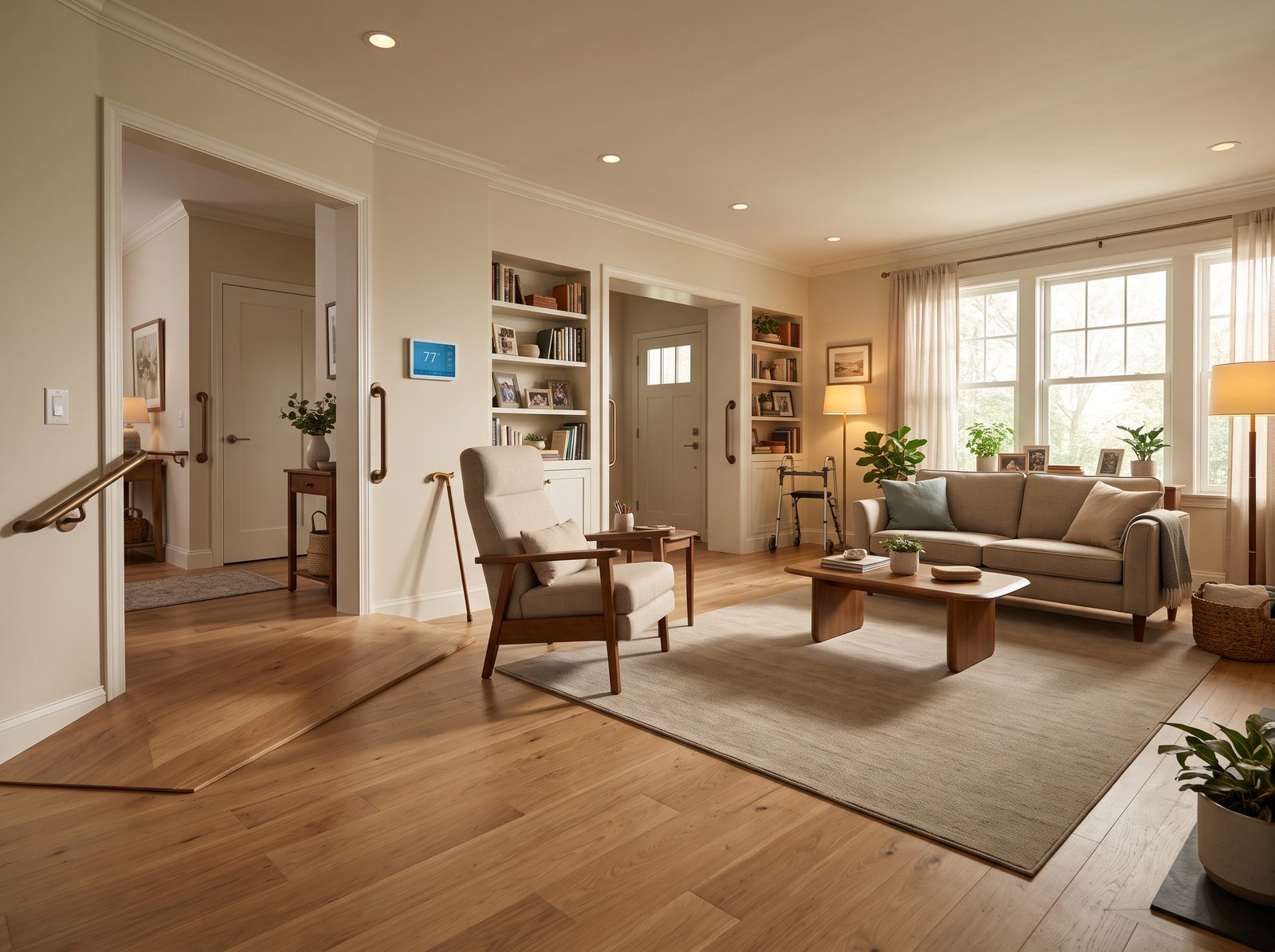
Why does this matter? According to national studies, the vast majority of older adults want to remain at home—a trend accelerating as care facility costs soar. But most US homes were not designed with aging needs in mind, creating hidden hazards and everyday obstacles for seniors and family caregivers alike. Well-chosen modifications can directly cut fall risk, boost quality of life, and even postpone or prevent institutionalization. Yet, as recent research shows, families routinely struggle with budgeting, choosing between options, and missing cost-saving strategies that can add years of safe, confident living at home.
Step-by-step guide: Affordable, durable modifications for real homes
Effective aging in place planning is less about spending big and more about making targeted, durable changes. Here’s how to do it—especially when every dollar and decision counts.
2026 National Cost Snapshot—What to Expect
- Grab bars bathroom installation: $20–$80 per bar (material), plus $100–$200 per bar professional install. Full bathroom safety upgrades (grab bars, shower seat, raised toilet) commonly $500–$3,000. [6]
- Walk-in tub for elderly: $6,000 (low end) to $13,000 (high end), but some estimates range $3,000–$17,000+ installed depending on features and bathroom complexity. walk-in tub. [4]
- Wheelchair ramp cost: $100–$400 for material, usually $1,000–$8,000 installed depending on material, length, landings, and rails. wheelchair ramp. [1]
- Stairlift installation cost: $3,000–$10,000 (straight models at the low end, curved/high-end at the top). stairlift installation cost. [5]
Affordable Priorities Checklist (Start Here)
- Fall mitigation: Install grab bars, non-slip mats, and improved lighting immediately in all bathrooms and entry/transit areas.
- Entry/accessibility: Add ramps (even portable) if there are steps at main entries or hires are needed for frequent comings and goings.
- Bathing ease: Decide between a walk-in tub for elderly needs or a roll-in shower conversion based on user preference, bathroom layout, and the need for caregiver assistance.
- Mobility support: Evaluate for door widening, lever-handles, thresholds, and, if needed, stairlift (if multistory living is essential).
Decision Shortcuts: What Most Cost Guides Miss
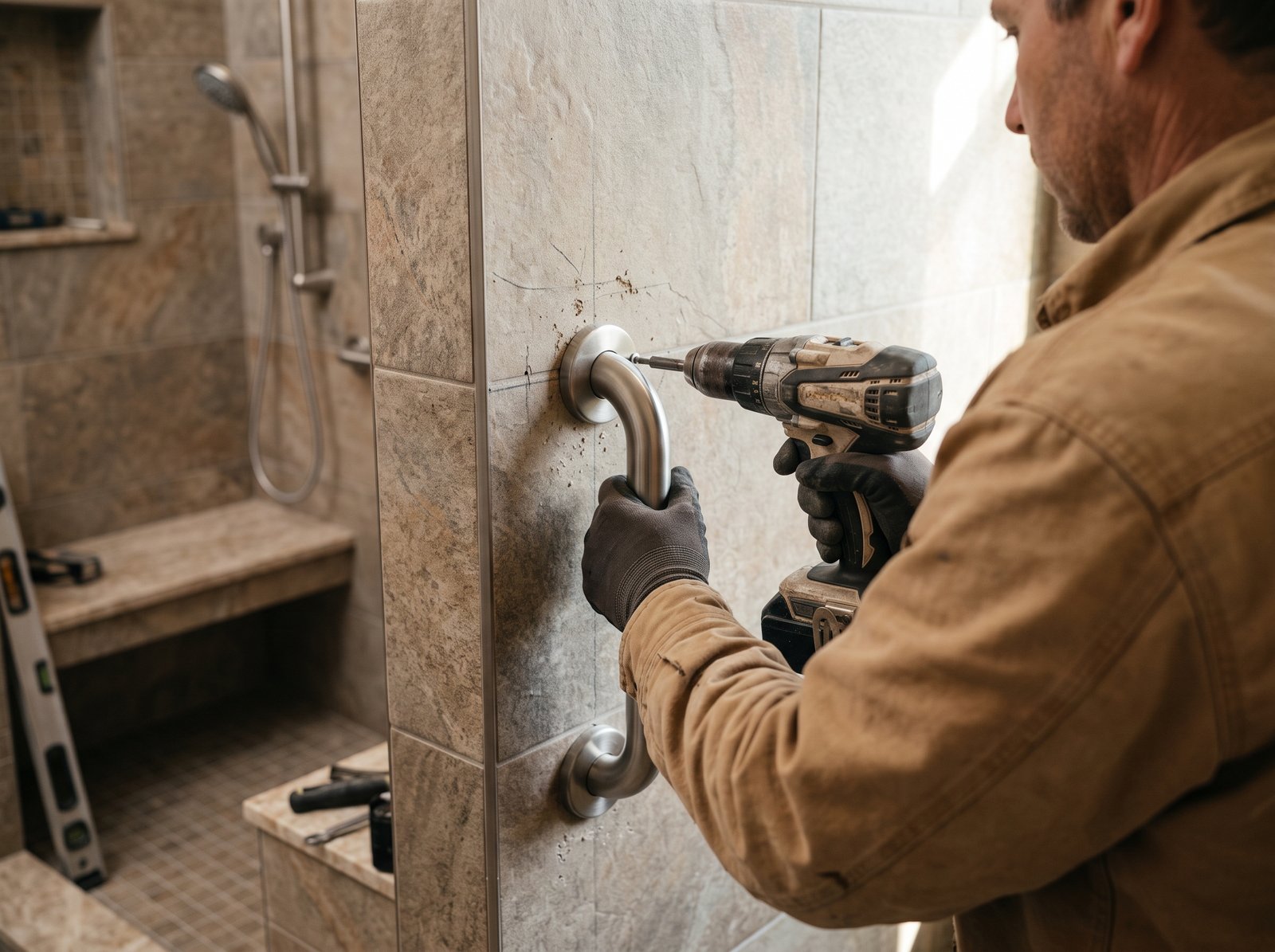
- Don’t waste money on cheap suction-cup grab bars in high-stress locations—they rarely hold long-term on tile or fiberglass. Professional bar installs last for decades and include trustworthy mounting into wall studs.
- Before buying, always check if the modification will block access for others or reduce home resale value. Ask your contractor or occupational therapist for a design review.
- For every $1,000 saved on a poorly planned change, you can spend twice as much fixing it later. Plan modifications to last at least 10 years—don’t settle for short-term fixes.
Decision Checklist for Walk-in Tubs or Roll-in Showers
- Mobility needs: Does the user need transfer benches or full wheelchair access? A roll-in shower may offer better access if caregiver help is required.
- Budget and bathroom size: Walk-in tubs cost more but may fit better in tight spaces than roll-in shower conversions.
- Caregiver access: Walk-in tubs give privacy/safety, but roll-in showers work better for hands-on bathing assistance.
Maintenance Table: Durability Comparison of Common Modifications
| Modification | Average Lifespan | Annual Maintenance | Durability Risks |
|---|---|---|---|
| Grab bars (wall-mounted) | 20+ years | None if installed correctly | Loose mounting if not into studs |
| Portable wheelchair ramp | 5–8 years | Visual surface checks | Bending, corrosion outdoors |
| Custom wood/metal ramp | 10–20 years | Annual tightening, sealing for wood | Warping, rust |
| Stairlift | 10–15 years | Annual service ($100–$300) | Power/control failures |
| Walk-in tub (vinyl/acrylic) | 12–20 years | Seal checks, basic cleaning | Leakage from door seals |
What to Ask Contractors Box
- Are you licensed and insured for this type of work?
- Will modifications meet local building code and ADA standards?
- What product/installation warranties do you provide in writing?
- Can I see customer references, examples, or reviews for similar jobs?
- How will unexpected repairs/structural issues be handled (added cost)?
Downloadable Tools
For an in-depth case study of a real-world home renovation prioritizing accessibility, see our guide Garage Conversion ADU if you’re considering multi-generational living space.
Families searching for ways to fund these changes should also read our detailed write-up on Home Equity Loan for Renovation approaches.
Successful projects often begin with a professional evaluation; learn about what to expect in our Small Bathroom Remodel on a Budget article.
Advanced analysis & common pitfalls (cost, regret, durability)
Too often, families dive in without knowing what really drives cost, future maintenance headaches, or even personal dissatisfaction. Here’s what the research—and real users—say about common traps in aging in place home modifications.
Common Pitfalls
- Underestimating total cost: Many modifications start with “just a grab bar” and snowball into bathroom or whole-entry overhauls. National guides show a $10,000 average per project, but few costs are truly all-inclusive.
- Ignoring long-term durability: Low-cost solutions (self-stick bars, cheap ramps) rarely last the full decade most families want. Professional installation and solid materials are worth the up-front premium.
- Choosing novelty over function: Jetted walk-in tubs look impressive, but basic non-jetted models have fewer breakdowns and often suit seniors just as well—saving $3,000 or more.
- Skimping on professional assessment: Occupational therapist (OT) reviews pay for themselves by flagging impractical layouts and preventing poorly thought-out projects.
- Not planning for future increases in need: Modifications should cover mobility, vision, and dexterity changes—even if not present now—to avoid future costs and disruption.
Durability at a Glance
| Upgrade | Long-Term Reliability (1-5) | Maintenance Needed |
|---|---|---|
| Wall-mounted grab bars | 5 | None if properly installed |
| Portable ramp | 3 | Inspect hardware/surfaces yearly |
| Custom wood ramp | 4 | Seal or paint every 2-3 years |
| Stairlift | 4 | Annual tune-up/service |
| Walk-in tub (low-end) | 3 | Check for leaks annually |
Three Major Gaps in Most Guides
- Durability over years (not months): Many blog posts ignore how fast cheap grab bars or ramps fail. Always demand a five-year product/labor warranty, if possible.
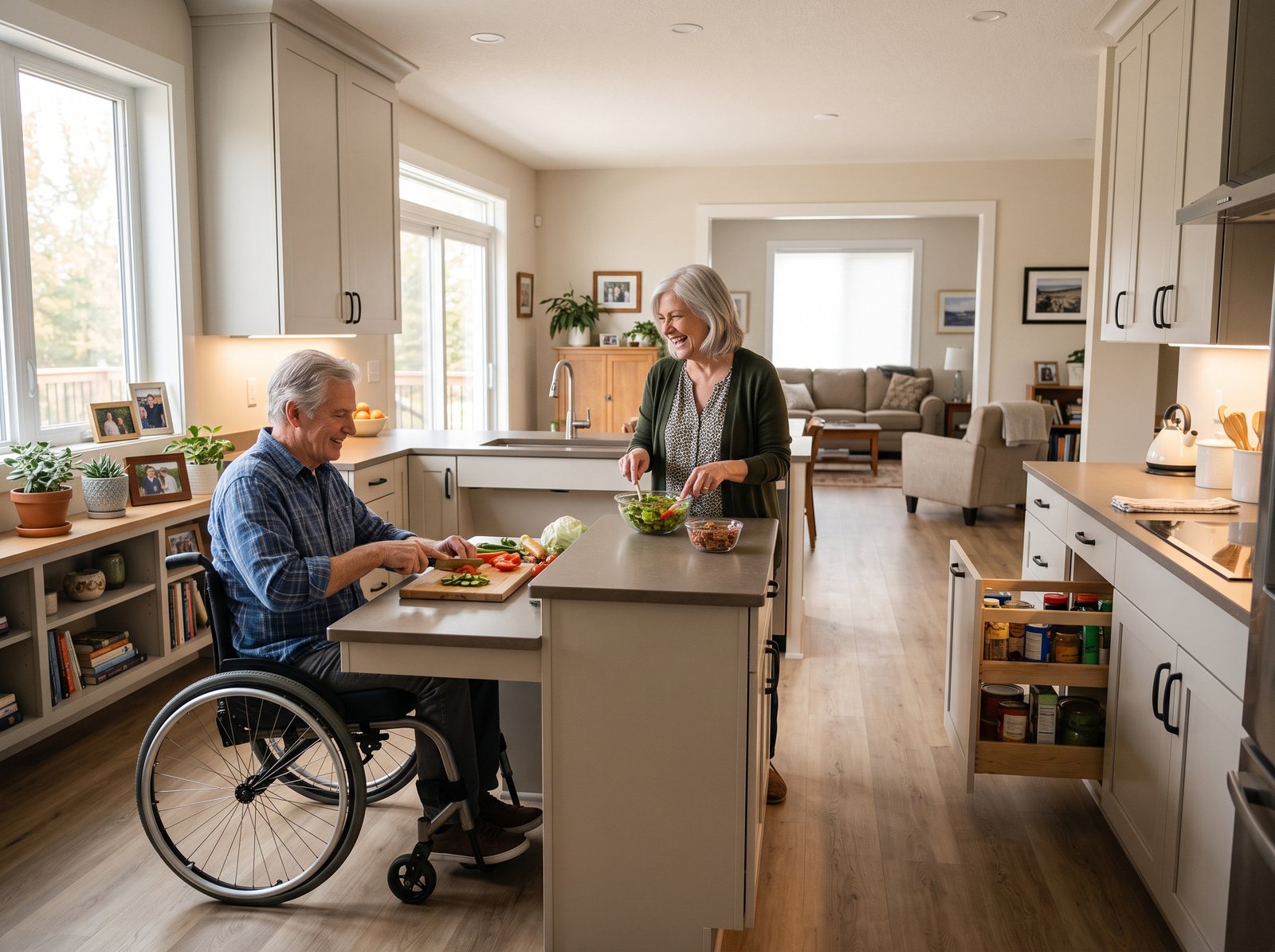
- Real impact on social engagement and mood: The right modifications (for example, a ramp+lighting upgrade at an entry) mean more social visits, less isolation, and better quality of life. Think beyond just safety to long-term life goals.
- Cost-effectiveness and health savings: Skipping even “minor” safety upgrades leads to falls—by far the leading cause of home injury admissions among older adults. The up-front spend is small compared to one hospital bill or emergency rehab across a few years. [9]
Funding and Paying for Home Mods
- Grants: Look for state and federal home modification grants—start with the Administration for Community Living or local agencies.
- Loans: Many manufacturers offer low- or no-interest loans for big-ticket items like walk-in tubs or stairlifts.
- Insurance: Some long-term care policies partially reimburse home modifications; check policy fine print or speak to your agent.
- Cost-saving: Opt for reconditioned equipment. Stage projects by order of urgency to spread out spending.
For comprehensive product and safety trend updates, see Garage Storage System for organizing adaptive equipment or our Solar Outdoor Lights guide for addressing outdoor lighting solutions to reduce evening trip hazards.
Conclusion: How to get real value from home modifications
Aging in place home modifications make it possible for older adults and their families to stay safe, independent, and connected in their own homes for years longer. The right investments—starting with urgent fall prevention and progressing to ramps, accessible bathrooms, and mobility aids—deliver both financial and emotional returns. But getting real value means prioritizing durability, demanding proper installation, thinking one step ahead about changing needs, and shopping smart with local quotes and staged spending. Now is the time to talk with family, gather cost comparisons, and take your first step to a safer, more confident future. Start with the downloadable checklist above and request at least three quotes for each major upgrade—your future self will thank you.
FAQ: Aging in place home modifications
Are walk-in tubs for elderly people really safer than roll-in showers?
Walk-in tubs help reduce step-over risk, but roll-in showers allow direct wheelchair entry. Your choice depends on user mobility, bathroom layout, and need for caregiver help.
What determines the true wheelchair ramp cost in my area?
Ramp cost depends mostly on length, slope, material (wood, aluminum, concrete), railings, and your local labor rates. Always get at least three quotes for an accurate local estimate.
Should I install grab bars in the bathroom myself or hire a pro?
DIY is possible for skilled users, but professional grab bars bathroom installation ensures they’re mounted into studs for maximum safety and long-term durability.
Are there home modification grants or funding options beyond my savings?
Yes, check state/federal grants, manufacturer financing, and some insurance benefits—see the funding section above for starting points.
Does every home need a stairlift for aging in place safety?
No. Prioritize stairlifts if multi-story living is essential and relocation or bedroom moves are not possible. Evaluate based on frequency of stair use and mobility needs.
How long should I expect these modifications to last before replacement?
Quality installations—like wall-mounted grab bars or custom ramps—typically last 10–20 years with minor upkeep. Cheap or temporary options can fail much sooner.
—