

### Blog Post:
Bathroom renovation trends in 2026 reflect a practical shift—major upgrades are pairing modern bathroom design with budget-smart choices, new tech, and high-impact, affordable solutions. Homeowners today want style, comfort, and ROI, not overspending or renovation regret. Here’s how you can avoid costly mistakes and actually get that high-end look—without blowing your budget.
Key Takeaways
- 2026 bathroom renovation trends focus on natural aesthetics, smart technology, and customization—without losing sight of budget or function.
- Average remodel costs are up, but targeted upgrades and new layouts deliver maximum design value with better cost control.
- Most competitor guides miss out on key areas like accessibility, sustainability, real financing options, and acoustic/privacy solutions—these are your high-ROI opportunities to do it better.
- 2024 Bathroom Renovation Trends — What’s Driving Remodels Now
- Typical Costs in 2024 — Average Project Types and What They Cost
- Advanced Analysis & Common Pitfalls
- Conclusion
- FAQ Section
2024 Bathroom Renovation Trends — What’s Driving Remodels Now
Modern bathroom design priorities have changed. According to the 2024 U.S. Houzz & Home Study, bathrooms have become just as popular as kitchens for major home upgrades—24% of renovating homeowners upgraded a bathroom. Personalization is leading the way: only 8% of homeowners upgrade before a sale, while 44% consider their house a “forever home,” focusing on usability and comfort for the long haul.
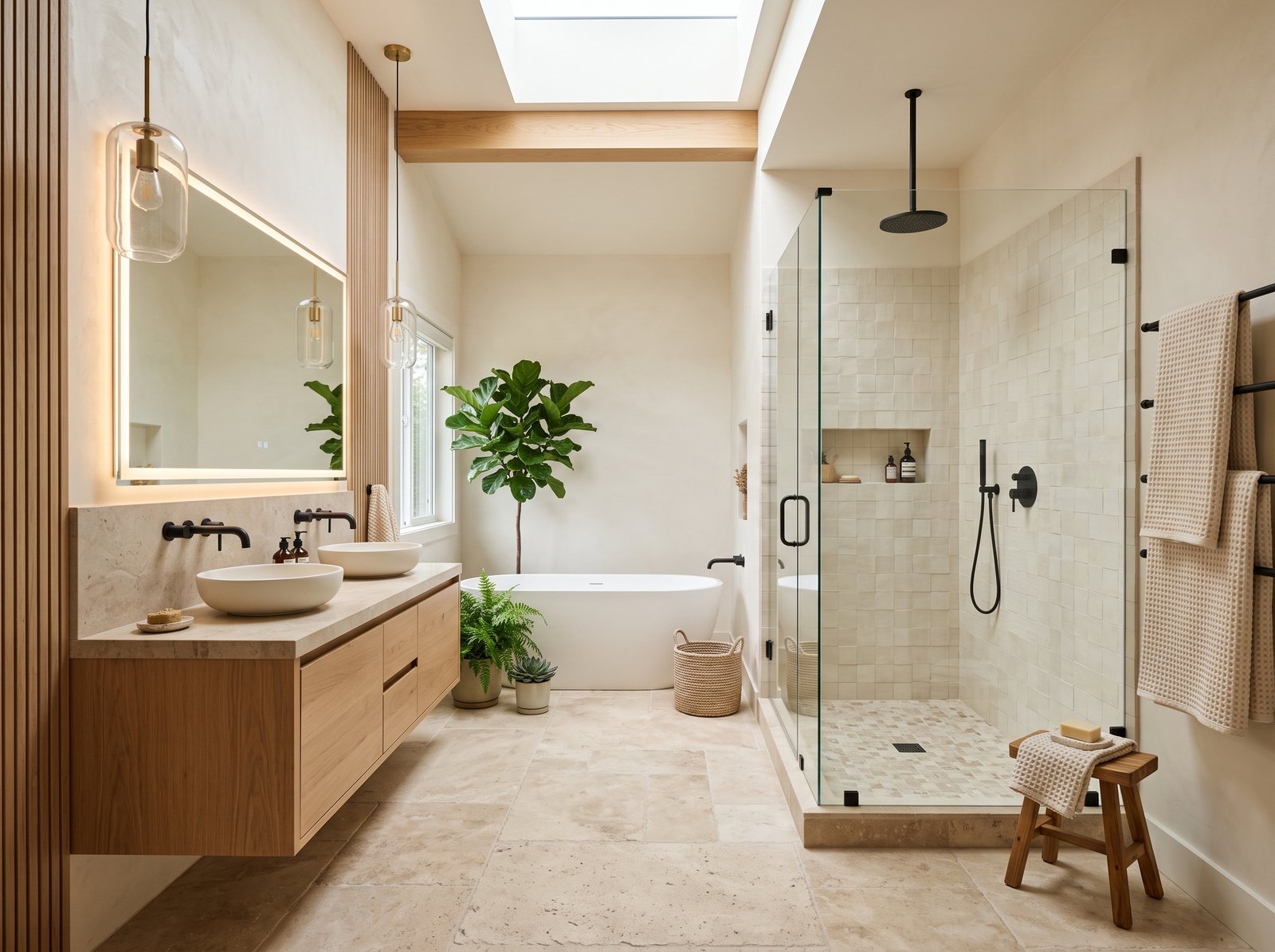
Aesthetic trends this year focus on natural, calming spaces—think biophilic design (adding natural materials, soft neutral tones, plants, and lots of daylight) and spa-like touches (freestanding tubs, larger showers, minimal lines). Smart bathroom technology—touchless faucets, humidity-sensing fans, digital mirrors, and eco-friendly heated seats—has rapidly gone from “luxury” to “mainstream,” giving even small bathrooms a high-end feel.
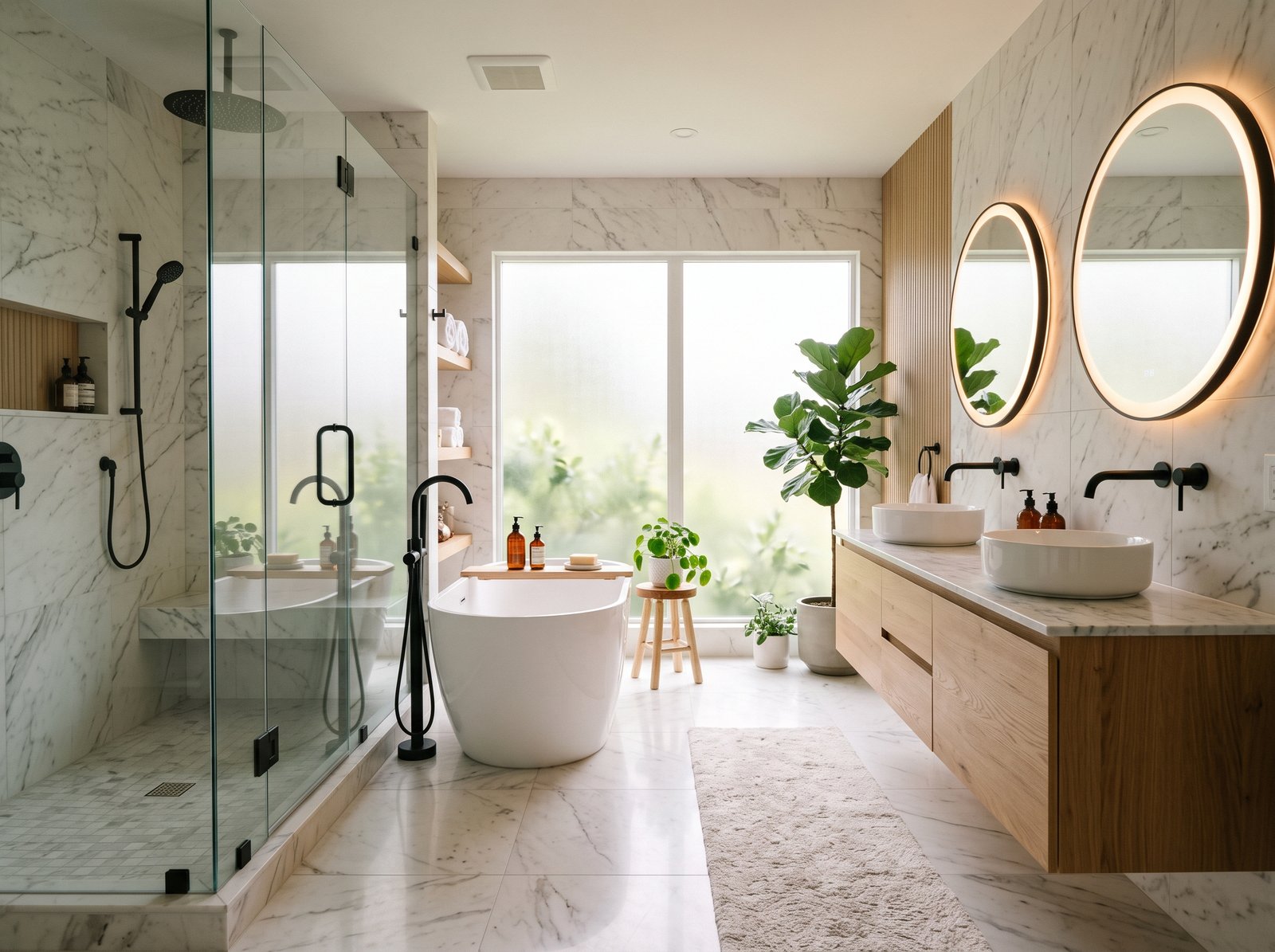
Why does all this matter for a bathroom remodel on a budget? Because the trend isn’t just looks—it’s using design to get measurable day-to-day comfort, better energy use, and more personal enjoyment from your home.
Typical Costs in 2026 — Average Project Types and What They Cost
Budget reality check: Remodeling is pricy, but knowing your category helps. The most common bathroom remodels in 2024 cost:
- Primary bathroom: $13,000
- Guest bathroom: $7,000
- Small primary bath (under 100 sq ft): $17,000
- Major remodel: $22,000
- Luxury projects: $70,000+
Median spending hovers around $20,000, with high-end bathrooms reaching $25,000 or more (Rubyhome Remodeling Stats). That means you must actively manage scope, priorities, and upgrades. Don’t forget permits, local fees, and the 10% contingency.
As you pin down your project, use these five steps for budget control:
- Define Your Project Type: Are you revamping fixtures, full gutting, or just reskinning? Your category determines almost everything—from code requirements to finish choices.
- Get Real with Your Scope: List every new element you want. Prioritize based on durability, everyday use, and “wow factor” instead of pure aesthetics.
- Price Out Labor vs. Materials: Labor eats up about 30% of most 2024 budgets—sometimes more with layout moves/older homes. Consider what makes sense as DIY to trim the premium (like painting or swapping simple fixtures). For more DIY hacks, see this small bathroom guide.
- Spec for Storage & Easy Cleaning: 78% of remodelers now choose soft-close drawers and integrated storage, up sharply from past years. Built-in storage beats wide vanities every time for ROI. Find storage-first vanity options in this practical storage guide.
- Plan for the Unexpected: Always set aside at least 10% of your total for contingency, smart integration, and lighting. LED mirror upgrades can cost as little as $300 but deliver a huge modern feel.
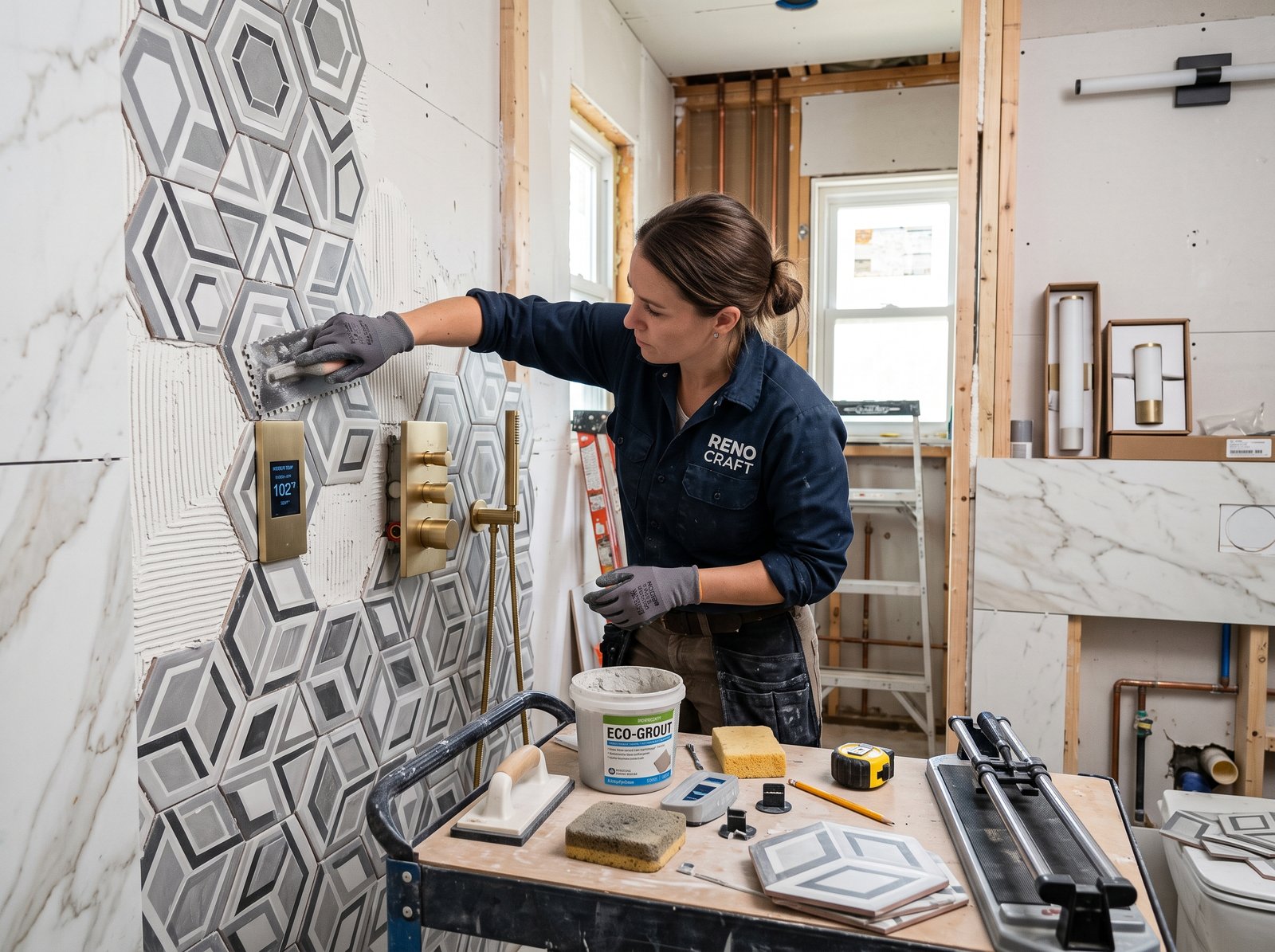
Want to save even more? Check for local rebates on water-efficient fixtures and insulation. Upgrading bathroom ventilation with a humidity-sensing fans (see why mold control matters) can prevent costly repairs—and new units start as low as $150.
Advanced Analysis & Common Pitfalls
Even savvy homeowners hit snags on a bathroom remodel on a budget. Here’s where projects unravel—and how to fix it before it costs you.
Most Common Budget Remodel Complaints
- 1. Cost Overruns: Rising material/labor prices, hidden water issues, and scope creep are the main culprits. Materials delays can blow up your timeline and leave you without a finished bathroom for weeks. Protect your wallet with explicit contract language—a “not to exceed” clause—and size your contingency realistically (10–15%).Reference: World CopperSmith Statistics
- 2. Timeline Extensions: Supply delays and labor shortages clutter up schedules. Always request a “materials lead time check” before finalizing contract dates, and ask for penalties (or incentives) for on-time completion.
- 3. Poor Layouts/Storage: Skimping on storage or using a stock vanity rarely fits a real family’s needs. 78% of remodelers now say storage is their #1 priority. Don’t let design trump everyday function—go for storage-first options and larger shower footprints where possible.
Budget Breakdown Table (Average 2024 Remodel)
| Category | % of Budget | Where to Save | Where to Splurge |
|---|---|---|---|
| Labor | 30% | DIY demo/painting | Professional waterproofing |
| Fixtures/Fittings | 25% | Mid-tier fixtures, off-season sales | Select smart features (touchless, heated) |
| Tile & Flooring | 20% | Large-format porcelain, fewer grout lines | Heated floor mats (in select areas) |
| Cabinetry/Vanities | 15% | Stock cabinets with custom hardware | Soft-close drawers, mixed metals |
| Contingency/Lighting/Smart | 10% | Strategic use of LED/toe-kick lights | Smart exhaust fans, mirror lighting |
Advanced Opportunities Most Miss (But You Shouldn’t)
- Accessibility: Universal design elements—grab bars, zero-step showers, lever handles—add value and allow you to age in place longer. These upgrades are often affordable and can make your remodel future-proof. For more on accessible home modifications, check the Aging In Place Home Guide.
- Sustainability: Most competitor guides gloss over water-use scoring, low-VOC materials, or carbon footprint reporting. You can spec smart toilets, WaterSense fixtures, and low-VOC paints to save cash and health. Check out eco-friendly renovation strategies here.
- Financing & Incentives: Many homeowners miss practical tips on HELOC, contractor financing, and rebates for efficiency upgrades. For actionable financing comparisons, see our renovation loan guide.
- Acoustics/Privacy: Hard surfaces amplify sound; use acoustic panels, insulation upgrades, or solid-core doors for noise management. Need stylish options? Explore modern acoustic panels here.
Conclusion
If you want a stylish, high-function bathroom remodel on a budget this year, stick to the essentials: focus on storage-first design, natural finishes, selective smart tech, and a clear budget breakdown. Avoid the major pitfalls—overruns, delays, poor layouts—by taking cues from the latest bathroom renovation trends while putting your comfort and future first. Plan ahead, compare specs, and don’t overlook the real ROI of smarter, sustainable, accessible upgrades.
Ready to start? Get local rebate info or a free cost estimate with our bathroom budget planner—and make your remodel count for today and tomorrow.
FAQ Section
How do I prevent my bathroom remodel from going over budget?
Set a detailed budget with categories (labor, fixtures, tile, etc.), insist on a contract “not to exceed” clause, and reserve a 10-15% contingency. Review every change order before approving and monitor costs weekly.
What modern bathroom upgrades give the most ROI for resale?
Focus on universal design (zero-step showers, grab bars), large-format tile floors, simple spa-like features, and water-efficient fixtures. These have broad appeal and deliver high value for modest costs.
Are smart bathroom features worth the cost in small spaces?
Yes—touchless faucets, humidity-sensing fans, and integrated LED mirrors don’t eat up space but add noticeable convenience and savings. Choose one or two for biggest impact on a tight budget.
How can I make a small bathroom feel bigger without a full gut remodel?
Use floating vanities, large mirrors, glass shower surrounds, and large-format tile—all make spaces feel more open. Keep storage off the floor when possible and stick to neutral tones for the illusion of size.
Where can I find rebates or incentives for bathroom upgrades?
Check your local utility, municipal water district, and federal programs for rebates on WaterSense-rated toilets, ventilation, and energy-efficient upgrades. Some manufacturers advertise direct rebate offers on their web sites.