

### Blog Post:
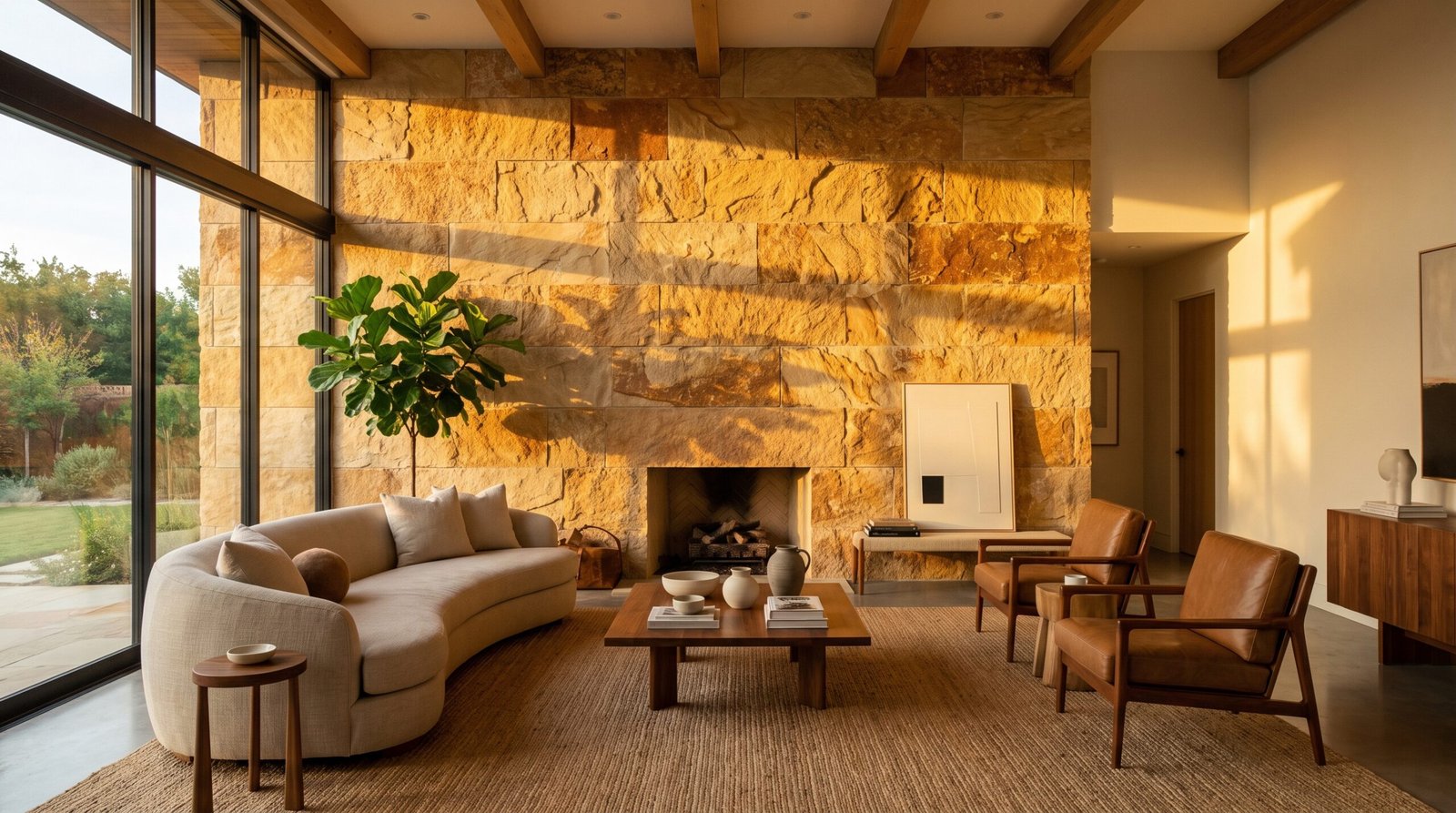
Sandstone walls deliver timeless style, texture, and warmth for living rooms, fireplaces, bathrooms, and facades—but costs, sourcing, durability, eco factors, and hidden installation needs in 2026 are often confusing for homeowners and designers. If you want to specify or install sandstone walls, this guide gives you actionable data, price bands, pitfalls to avoid, and real examples for confident planning.
Key Takeaways
- 2026 installed costs for sandstone wall veneer range from $80–$120 per square foot, with material alone at $50–$80 per square foot; large-format interior finishes run $30–$70 installed.
- Practical choices include natural veneer, full-thickness blocks, and lightweight engineered slabs—each has unique structural needs, maintenance cycles, and upfront versus lifecycle tradeoffs.
- Clear planning is critical: moisture, structural load, sealing, and proper substrate prep will make or break the look and longevity of your sandstone interior finish or exterior wall.
- Sandstone Walls in 2026: What Matters Most
- How to Plan & Install: Actionable Steps
- Analysis, Tradeoffs & Real Pitfalls
- Wrap-Up & Next Steps
- FAQs on Sandstone Walls
Sandstone Walls in 2026: What Matters Most
Homeowners and designers love sandstone walls for their warm tone, subtle layering, and connection to nature. In 2026, global demand is strong: the sandstone market is valued at $447.5 million, with Asia-Pacific holding the largest segment at $255 million, Europe following at $105.1 million, and North America at $51.6 million (Sandstone Market Report).
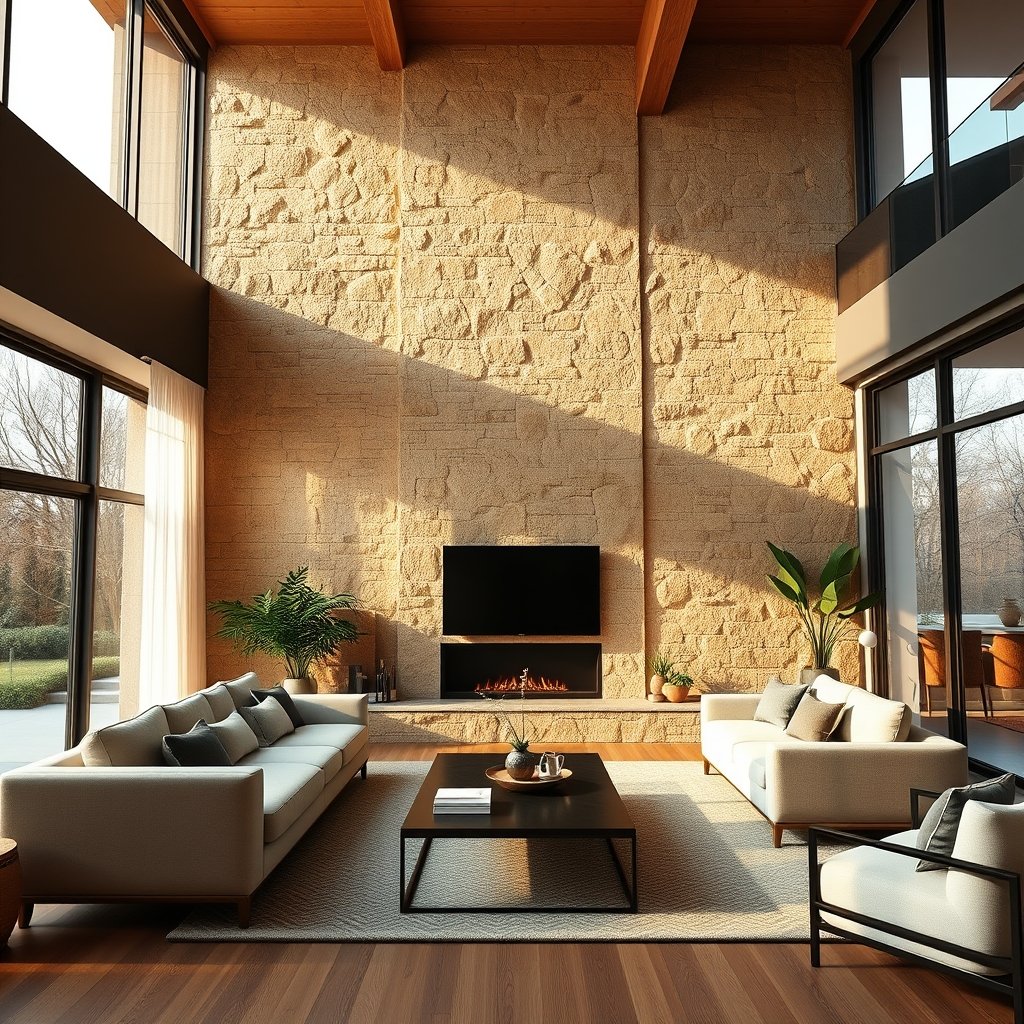
Increasingly, sandstone is chosen for accent walls, fireplace surrounds, bathrooms, and exterior facades—especially in design-driven mid to high-end remodels. Gaining the natural stone look takes planning, but delivers standout impact.
But specifying sandstone isn’t just about selecting a color or surface. The real “why” behind success with sandstone walls is understanding how market pricing, local availability, install complexity, and future maintenance all connect—so you avoid surprise costs or failures.
This guide puts all the critical information—pricing, structural needs, eco-sourcing, maintenance, and top design applications—in one practical plan.
How to Plan & Install: Actionable Steps
The path from sandstone accent wall idea to stunning, lasting installation involves several key steps—each with budget, structural, and style decisions. Here’s how to move from design concept to finished wall:
- Define Your Application & Style: Will your sandstone wall be a living room accent, fireplace, bathroom feature, or exterior? Large-format tiles, thin veneer, and full-thickness blocks each suit different spaces.
- Set a Realistic Budget:
- Natural stone veneer material: $50–$80 per sq ft; installed: $80–$120 per sq ft
- Interior full-thickness or large-format installations: $30–$70 per sq ft installed
- Material only: $20–$45 per sq ft
- Factor in structural/engineering plans for walls above 4 ft ($1,500–$5,000)
- Choose Material Type:
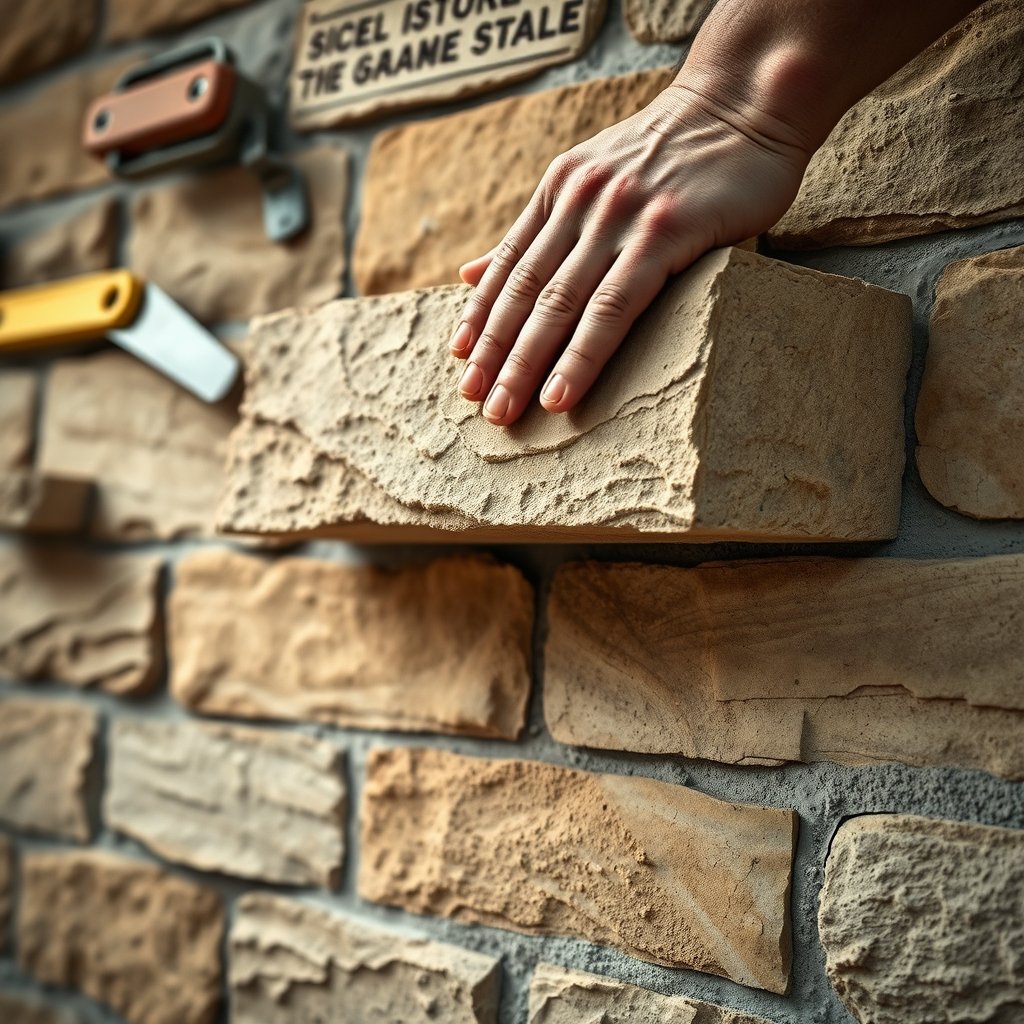
- Natural veneer (⅜-1¼ in): Moderate weight, real stone look, best over concrete or block base.
- Full-thickness stone (2–4 in): Heavy, structural load required, classic effect, suited to new builds.
- engineered thin stone veneer panels: Lightest option, easier retrofit, expanding color/texture choices.
- Structural & Substrate Prep: Assess wall strength, anchoring needs, and moisture barriers—especially for exterior or bathroom installs.
- Select Installation Method:
- Professional install ($80–$120 per sq ft): Required for veneers above 4 ft, fireplace cladding, bathrooms, or any load-bearing feature.
- DIY (for small accent walls): Thin veneer panels/tiles, strong substrate, proper adhesive and waterproofing only.
- Seal and Finish: Sandstone interior finishes require at least annual sealing—more in showers or high-moisture zones.
- Design Pairings & Lighting: Warm woods, neutral palettes, and up-lighting highlight the texture. Use large slabs or tiles to minimize grout lines in wet areas.
Mini Example 1: Modern Living Room Accent Wall (60 sq ft, thin veneer, pro install):
Material $3,900, install $2,700–$4,200. Total $6,600–$8,100.
Mini Example 2: Luxury Fireplace Surround (35 sq ft, full-thickness stone):
Material $1,600, labor $2,450. Total $4,050–$4,500.
Mini Example 3: Sandstone Tile Bathroom Feature (45 sq ft, large-format tile):
Material $1,350, install $1,350–$3,150. Total $2,700–$4,500.
If you’re looking for more project budgeting tactics, see our in-depth construction cost guide.
Still early in planning? Don’t overlook related finish strategies like peel and stick backsplash or sustainable eco-friendly home renovation ideas.
Analysis, Tradeoffs & Real Pitfalls
Sandstone walls create stunning effects—but only when you plan for the hidden costs and realistic performance differences compared to other stones. Here are common missteps and how to avoid them:
Key Pitfalls & How to Avoid Them
- Not Engineering for Weight: Full-thickness sandstone can weigh 12–18 lbs/sq ft. Retrofitting onto wood-framed or older walls without an engineering plan leads to sagging, cracks, or total failure.
- Improper Moisture Barriers: Sandstone is porous. Skimping on waterproofing in bath installations or exterior walls means staining, mold, and freeze-thaw damage. Always use a waterproof membrane and specify low-VOC sealers (see market guide).
- Maintenance Oversights: Skipping annual sealing leaves sandstone open to stains, water marks, and flaking. In bathrooms, aggressive cleaners damage unsealed grout and stone.
- Overlooking Real Cost Drivers: High labor, transport (especially for imported stone), substrate prep, and engineering plans can add 20–40% over base “material only” quotes.
- Ignoring Sandstone Vs. Limestone Differences:
- Sandstone is more prone to surface erosion and cracking in exterior or moisture-prone environments than limestone—avoid in exposed shower floors or wind/splash zones whenever possible (read limestone vs. others).
| Feature | Sandstone Walls | Limestone Walls |
|---|---|---|
| Porosity | High (more vulnerable to water/staining) | Medium-Low (less water uptake) |
| Durability | Prone to erosion/cracking in wet/freeze cycles | Superior in exposed or moist areas |
| Visual Texture | Layered, granular, “earthy” look | Smooth, subtle veining, “refined” style |
| Best Use | Interiors, accent walls, protected fire features | Exteriors, flooring, wet areas, high-traffic |
| Maintenance | Seal annually, clean gently | Easier to maintain, less frequent sealing |
| Cost (2026, installed) | $30–$120 per sq ft | $40–$140 per sq ft |
Homeowner Pain Points (and Solutions)
- Structural requirements and permitting for tall or heavy installs. Solution: use engineered thin veneer for second floors or older framing.
- Susceptibility to staining, especially with red wine, oil, or bathroom products. Solution: select dense sandstone varieties and apply a penetrating sealer rated for bath use.
- Grout line cleaning and mold in bathrooms. Solution: Choose large-format tiles or panels to minimize grout; specify epoxy grout for best long-term results.
- Long-term resealing costs. Solution: Set recurring calendar reminders, and use eco-friendly, ultra-low VOC, “one-coat” sealers where possible.
Smart Design Applications
- Fireplace surrounds: Use full-thickness for fireplace inserts for depth, thin veneer or panel for modern, flush looks.
- Shower accent walls: Go for large slabs to minimize grout, high-quality membrane backing, and professional install.
- Entry feature wall: Experiment with lighting placement (uplighting or side-light) to bring out layered texture.
- Kitchen backsplashes: Pair with peel and stick backsplash styles for budget or durable hybrid finishes.
- Mix with woods, earthy paint palettes, soft textiles for a balanced, on-trend effect in 2026 (2026 tile trends forecast).
Wrap-Up & Next Steps
Sandstone walls command attention, warmth, and layered texture—but require thoughtful planning around structural loads, detailed moisture strategies, and annual care. Whether you’re specifying a sandstone interior finish or dreaming up bold sandstone accent wall ideas, working with 2026 market data and real install practices ensures you get the look, performance, and ROI you expect.
Ready to take the next step? Compare your finish options against other accent strategies in our fluted panel wall accent guide, or dig into structural budgeting with our garage conversion ADU cost breakdown. Have questions? Reach out to a proven local installer or architectural designer to review your sandstone walls plan today.
FAQs on Sandstone Walls
Is sandstone suitable for a shower or bathroom?
Yes—but only with a strong waterproof membrane, regular sealing (at least yearly), and minimal grout lines. For a sandstone tile bathroom, large-format slabs and epoxy grout simplify cleaning.
How often should I seal sandstone interior finishes?
Most sandstone walls need sealing every 12 months—more often if exposed to water, oils, or heavy use. Check for darkening/water absorption as a signal for resealing.
Which costs more: sandstone or limestone walls?
Installed sandstone costs $30–$120 per square foot in 2026, with limestone typically 10–15 percent higher for dense, premium slabs—especially in exterior or high-traffic spaces.
Can I DIY a sandstone accent wall?
Small sandstone accent wall ideas (less than 40 sq ft) may be DIY-friendly with thin veneer panels and careful substrate prep. Anything taller or for wet areas should be installed professionally to avoid future problems.
What maintenance do sandstone walls require?
Routine care is gentle dusting, spot cleaning, and annual sealing. Bathrooms need extra vigilance to prevent grout mold and avoid harsh cleaners.
—