

### Blog Post:
Fluted panel wall accent projects are surging in popularity because they deliver bold design, better acoustics, and measurable value in home offices—when you choose the right materials and know what to ask before installing.
Key Takeaways
- Fluted panel wall accents combine modern looks with genuine sound dampening when paired with the correct backing and installation—don’t assume all panels are acoustic.
- Material cost, finish, and acoustic performance vary widely: budgeting and comparing NRC/STC ratings avoids disappointment and hidden expenses.
- Sustainability and certifications are rare at the entry level, but eco-certified options—though pricier—offer longer lifespan and lower lifecycle costs.
- What is a fluted panel wall accent (and why it’s trending)
- How to choose and install a fluted panel wall accent in your home office
- Advanced analysis: Common pitfalls, performance, and cost comparisons
- Final thoughts: Getting real results with your fluted panel wall accent
- FAQ: Fluted Panel Wall Accents & Acoustic Panels
What is a fluted panel wall accent (and why it’s trending)
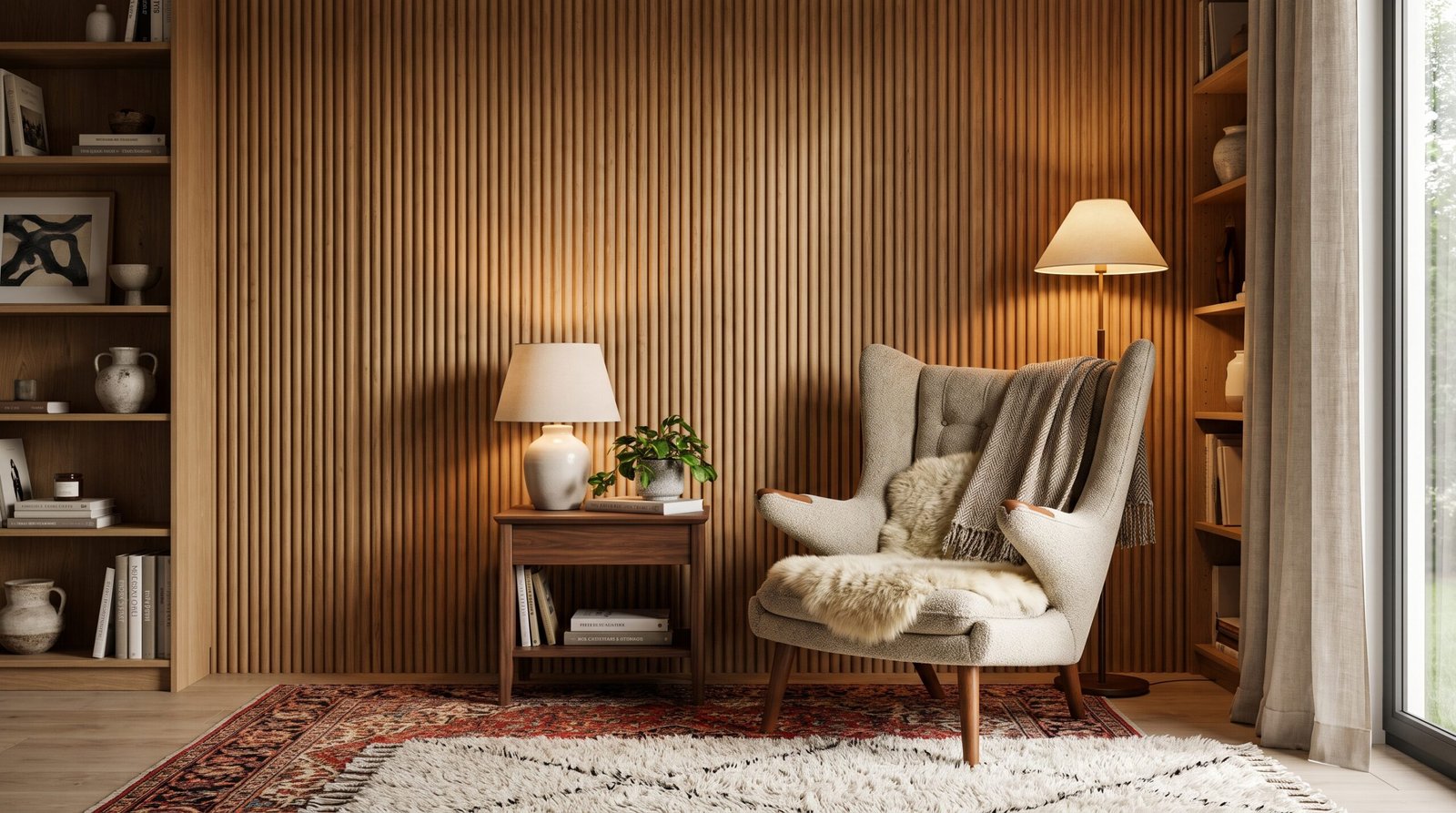
A fluted panel wall accent consists of evenly spaced vertical grooves—called “flutes” or “slats”—adding depth, rhythm, and shadow to any wall. It’s the modern evolution of traditional paneling, but with sharper lines and high visual impact. Designs range from shallow MDF slats painted wall color, to premium solid wood, to durable composites.
More than just a style moment, fluted wood and slat panels make up about 41% of the acoustic slat segment in 2025. Why? When manufactured with a porous acoustic core or paired with sound-dampening backing, they diffuse echo and absorb unwanted noise—making them especially valuable in home offices where focus and speech privacy matter.
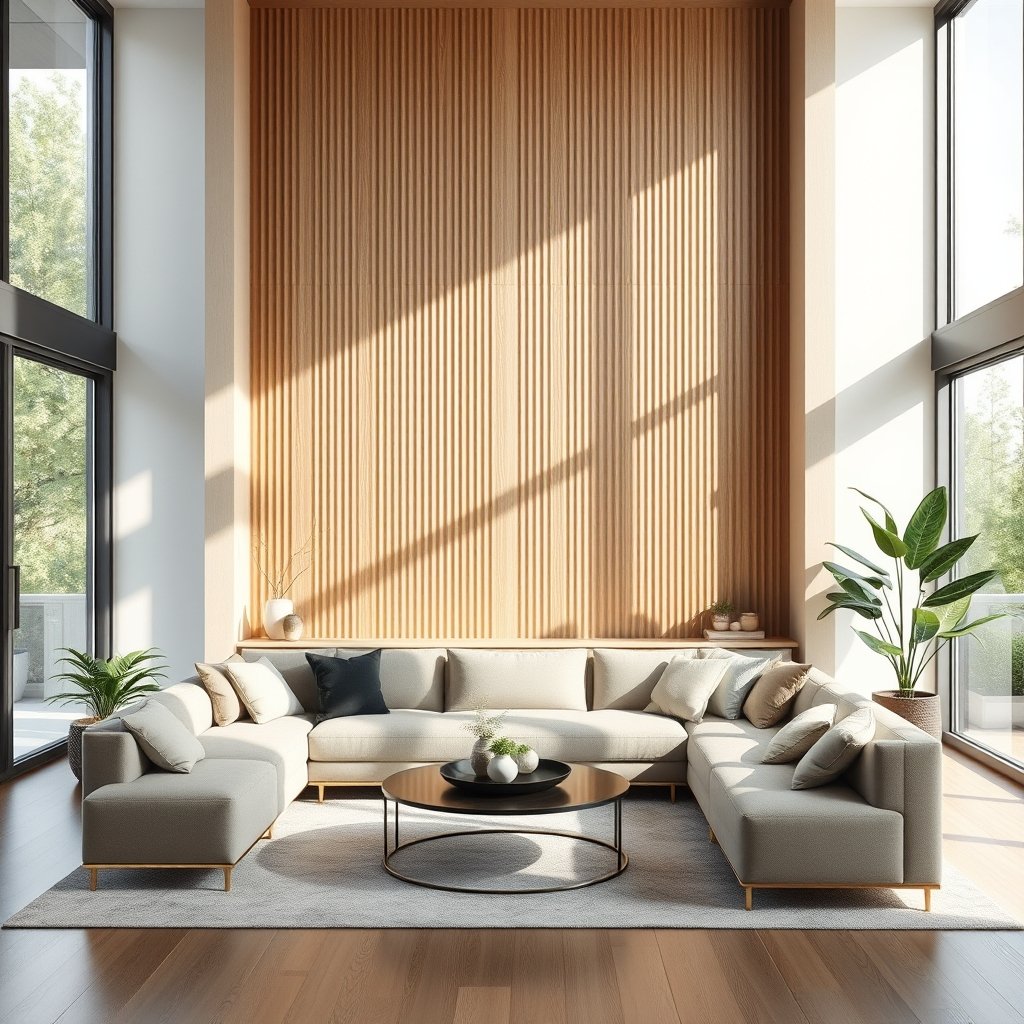
Decorative-only fluted panels (solid MDF, unbacked wood) look great, but do little for acoustics. True sound performance comes from the pairing of slat design with mineral wool, PET felt, or foam cores tested for noise reduction. Always check specs if you need more than a visual upgrade.
How to choose and install a fluted panel wall accent in your home office
Ready to upgrade your workspace with both style and substance? Here’s a proven sequence for fluted panel selection and installation that delivers real acoustic benefit—for both DIY and hired jobs.
- Measure your accent wall carefully. Most home office features are 80 to 120 square feet. Add 5% for cuts and errors.
-
Pick your panel material and finish:
- MDF/Paintable: Cheapest option, easy to paint, but swells with moisture—minimal acoustic improvement unless backed.
- Wood veneer: Natural look, light, $8–$12/sq ft, some with pre-attached acoustic felt.
- Solid wood: Premium finish and longest life, $15–$50/sq ft. Must be sealed for moisture resistance.
- PVC/WPC (Wood Plastic Composite): Best for durability and clean lines, $10–$25/sq ft. Some recycled content options.
- PET felt/recycled PET acoustic: Most sound absorption, eco-friendly, wide color range.
- Order samples and check certified specs: The fluted panel wall accent market includes both decorative and functional panels. Request third-party test reports (NRC for absorption, STC for noise blocking).
-
Prep the wall:
Level, clean, and if possible, mark stud locations. Consider first applying a thin mineral wool or foam layer for added absorption. - Tools required: Fine-tooth saw (manual or miter), construction adhesive, finishing nails or brads, level, laser measuring tool, and caulk/sealant for acoustic continuity.
-
Installation sequence:
- Test fit panels and adjust for outlets, switches, or baseboards—use templating for tricky areas.
- Apply adhesive beads in vertical strips. Press panel to wall, fasten into studs if possible.
- Toe-nail or brad fasten slats as needed (especially end pieces).
- Fill perimeter gaps with acoustic-rated caulk or color-matched trim.
- Wipe down and let adhesive cure (24 hours for most brands).
- For pre-finished panels, no further work needed; raw wood/paintable options may require a light sanding and water-based finish or paint.
-
Estimate labor and time:
DIY jobs average 1–2 hours per 4×8 panel; pros complete an average 100 sq ft wall in a day.
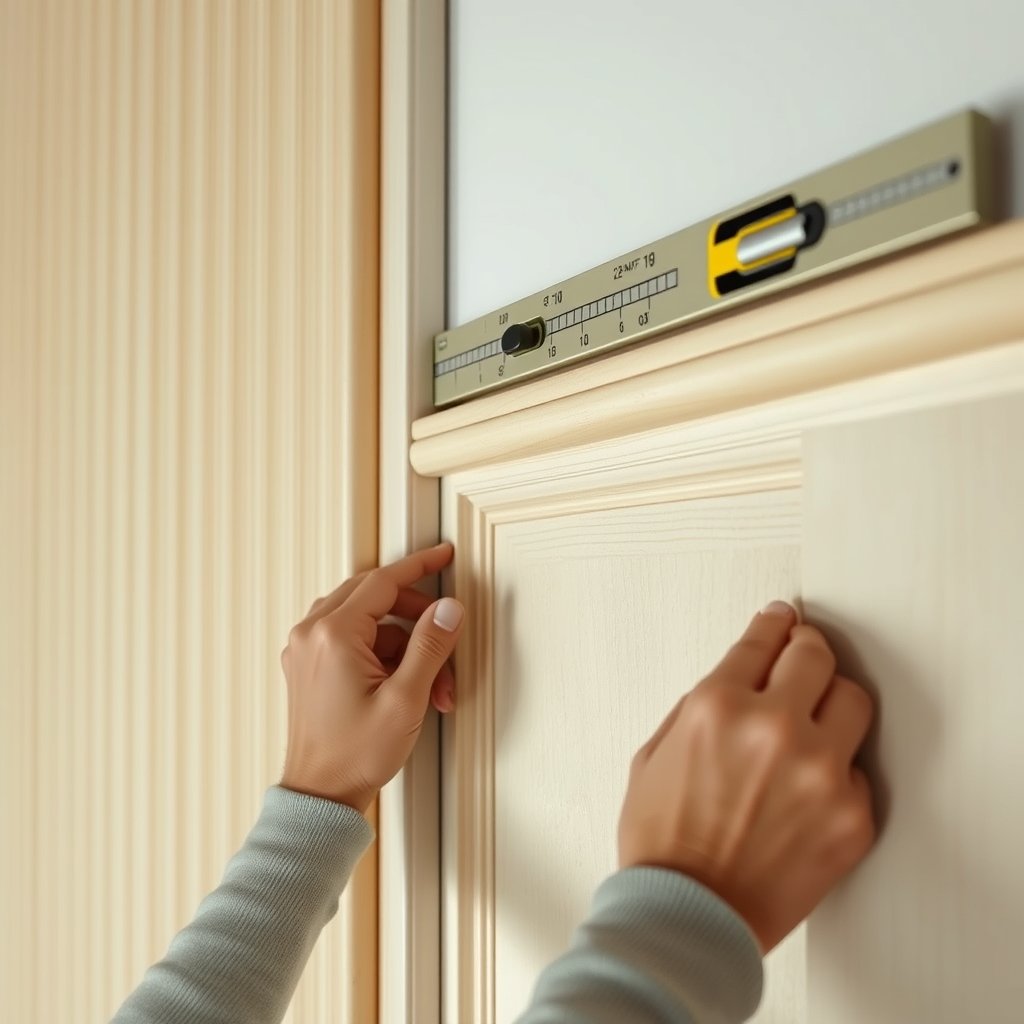
Looking to stretch your budget? Composite (MDF/WPC) panels cost $1,000–$2,000 for an 80–120 sq ft wall installed; mid-tier wood veneer with acoustic backing: $1,500–$3,000; solid hardwood: $2,500–$6,000+. Add labor ($2–$4/sq ft) if you’re not DIYing.
Tip: Pre-finished panels reduce install time and mess, but always confirm if touch-up kits are included for visible fasteners or accidental dings.
Want other renter-friendly or quick impact upgrades? See our guide to DIY peel and stick backsplash for kitchen or creative wall accents elsewhere in your home.
Advanced analysis: Common pitfalls, performance, and cost comparisons
Even the best-looking fluted panel wall accent can underperform acoustically or wear out faster than expected if you skip due diligence. Here’s what research and real users report you should watch for—and what the numbers look like.
| Material | Typical Cost (per sq ft) | Moisture/Dent Resistance | Certified NRC Range | Eco Certifications |
|---|---|---|---|---|
| MDF/Paintable | $5–$12 | Poor—swells with moisture, prone to dents | Usually not certified (decorative only) | Rare |
| Wood Veneer | $8–$12 | Good unless exposed to moisture | Typically 0.7–1.0 (if backed) | Some FSC/PEFC options |
| PVC/WPC | $10–$25 | Excellent—resistant to moisture and scratches | Variable, check for data | Some recycled content |
| PET Felt | $12–$25 | Good, but can compress under weight | 0.75–1.05 | Up to 100% recycled content |
| Solid Wood | $15–$50 | Excellent if sealed, scratches possible | Rarely tested unless custom | Occasional FSC/PEFC |
Common user pain points, even among experienced DIYers:
- Difficulty trimming around outlets and baseboards. Use templates, multi-tool blades, or consult a pro for perfect fit.
- MDF durability issues. Swells and stains if exposed to humidity or spills. Not recommended for basements or damp areas.
- Acoustic numbers that don’t match claims. Most DIY panels lack certified NRC/STC values. Look for lab-tested results, not just “acoustic” on marketing.
- Sustainability gaps. Most affordable panels aren’t FSC/PEFC or EPD certified; long-term value often comes from paying more for verified sources.
- Imported, low-cost panels can underperform or be hard to return. U.S. and European suppliers may cost more, but offer better documentation, samples, and return support.
For more on how construction materials and installation costs trend over time, see our in-depth window replacement cost guide for 2024.
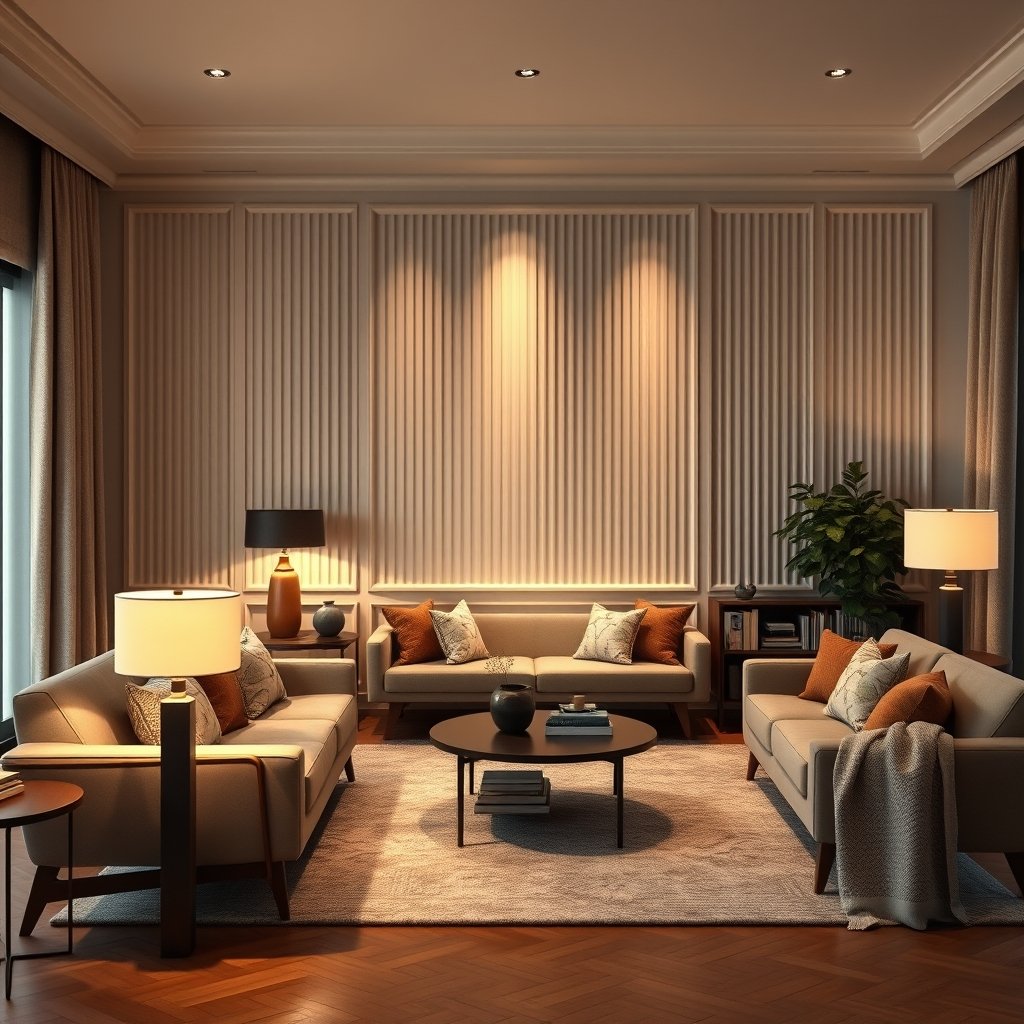
Interested in broader home upgrades that boost both comfort and resale value? Explore how eco-friendly home renovation strategies are shaping what buyers expect in 2026 and beyond.
Final thoughts: Getting real results with your fluted panel wall accent
Choosing the right fluted panel wall accent is about balancing form, function, and future costs. Go beyond surface looks: confirm acoustic performance with test data, scrutinize materials for longevity, and ask about eco certifications if sustainability matters. The result—a quieter workspace and a wall upgrade that’s built to last.
Ready to get started? Measure your space, order certified samples, and request detailed quotes from at least two contractors (if you’re not DIYing). Take your time comparing performance and material specs to ensure your fluted panel wall accent actually delivers what you need.
For more practical upgrade ideas—with clear ROI and expert advice—see our guides to garage storage system strategies and whole house generator installation costs.
FAQ: Fluted Panel Wall Accents & Acoustic Panels
Do fluted panel wall accents actually reduce home office noise?
Only if the panels include an acoustic core backing (like mineral wool or PET felt) and are sealed well at the edge. Decorative-only slat walls improve aesthetics but do not meaningfully absorb sound.
Are DIY fluted wood panels cheaper than hiring a contractor?
Yes, DIY can cut costs by 30% or more. However, time, tool access, and finish quality must be honestly assessed. Pros complete installs faster and can guarantee a seamless fit, especially around outlets and trim.
How do I confirm the acoustic rating of sound dampening wall panels?
Request independent lab certification for NRC (noise reduction) and STC (sound blocking). Panels without certified data are likely decorative only or inconsistent in performance.
What makes a fluted panel wall accent sustainable?
Look for FSC/PEFC wood certification, EPDs (environmental product declarations), E0/E1 emission ratings, or panels with a recycled PET felt core. Few affordable panels offer all certifications, but some mid-to-premium options do.
What are common maintenance concerns?
MDF panels swell if exposed to moisture, natural wood can scratch or dent, and PET felt panels can stain if not cleaned gently. WPC/PVC panels are the most durable, especially in active spaces.