

### Blog Post:
Mold resistant paint for bathroom is the homeowner’s secret weapon for fighting recurring mold and musty odors in humid spaces—but paint alone almost never solves the real problem. If you’ve already repainted once only to see stains return, it’s time for a primer (and possibly a pro) on getting a bathroom that actually stays mold-free, on a realistic budget.
Key Takeaways
- Diagnose and control moisture before relying on mold resistant paint for bathroom—ventilation and hidden leaks are key blockers to lasting results.
- Best results combine professional-grade mold removal before painting, a dedicated mold resistant primer, and the right mold proof paint for your surface.
- Durability pays off: Mold resistant systems last 5-10 years, saving on repeated repainting costs—delaying remediation can spike costs from $500 to $3,000+ per job. (Source)
- Why paint alone rarely solves recurring bathroom mold
- 5-Step Bathroom Mold Defense Guide (DIY & Budget-Friendly)
- Real-World Analysis & Mistakes to Avoid
- Conclusion: Lasting Results, Fewer Hassles
- Frequently Asked Questions
Why paint alone rarely solves recurring bathroom mold
Most homeowners discover that anti mold wall paint is not a magic bullet. Painting over stains gives a short-lived fresh look but does little for air quality or lasting protection. The real issue—almost always—is moisture hiding behind surfaces, loose caulk, leaky pipes, or poor exhaust. If you skip mold removal before painting and only mask stains, expect peeling, bubbling, and the return of “the smell” within months.
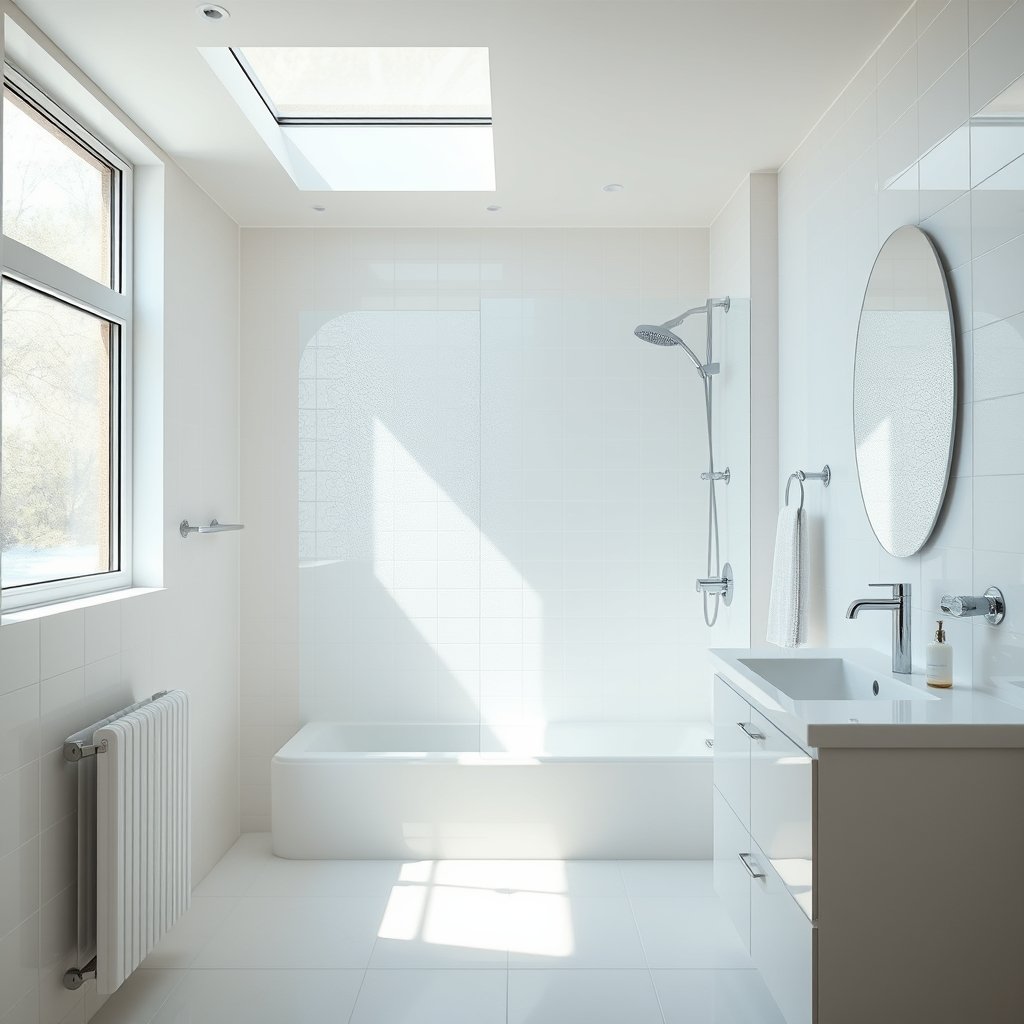
Research confirms that mold resistant paint often fails when bathroom humidity stays above 50% RH and moisture sources go untreated (EPA). With the global market for anti‑mold products now at $638 million and growing at 3.8% CAGR, manufacturers are quick to promote their coatings. But both pros and homeowners report recurrence when the substrate isn’t dry, primed, and moisture-controlled—especially for bathrooms with hidden leaks or weak fans.
In short: Think system, not just paint.
5-Step Bathroom Mold Defense Guide (DIY & Budget-Friendly)
- Find and fix the moisture source. Smell mustiness? See suspicious stains, soft drywall, or black edges on caulk? Use a moisture meter or IR camera if possible. Check behind toilets and under sinks for small hidden leaks. Ensure the exhaust fan works and moves enough air; 8 air changes/hour is a solid target.
- Small patch = DIY, but call a pro if the area is larger than a dinner plate, feels spongy, or you see widespread water damage. Minor cleanable patches often cost $500–$1,000 professionally; neglected or big jobs can soar to $3,000+ (source).
- Clean thoroughly. Use an EPA-recommended cleaning solution for light mildew; never just paint over mold. If in doubt about health or safety, let a pro handle containment. Dry surfaces to under 16% moisture before painting.
- Prime it right. A dedicated mold resistant primer ($25–$45/gal) blocks old stains and adds 5–7 years of defense—much better than standard primers. Products like Zinsser Mold Killing Primer are popular for this step.
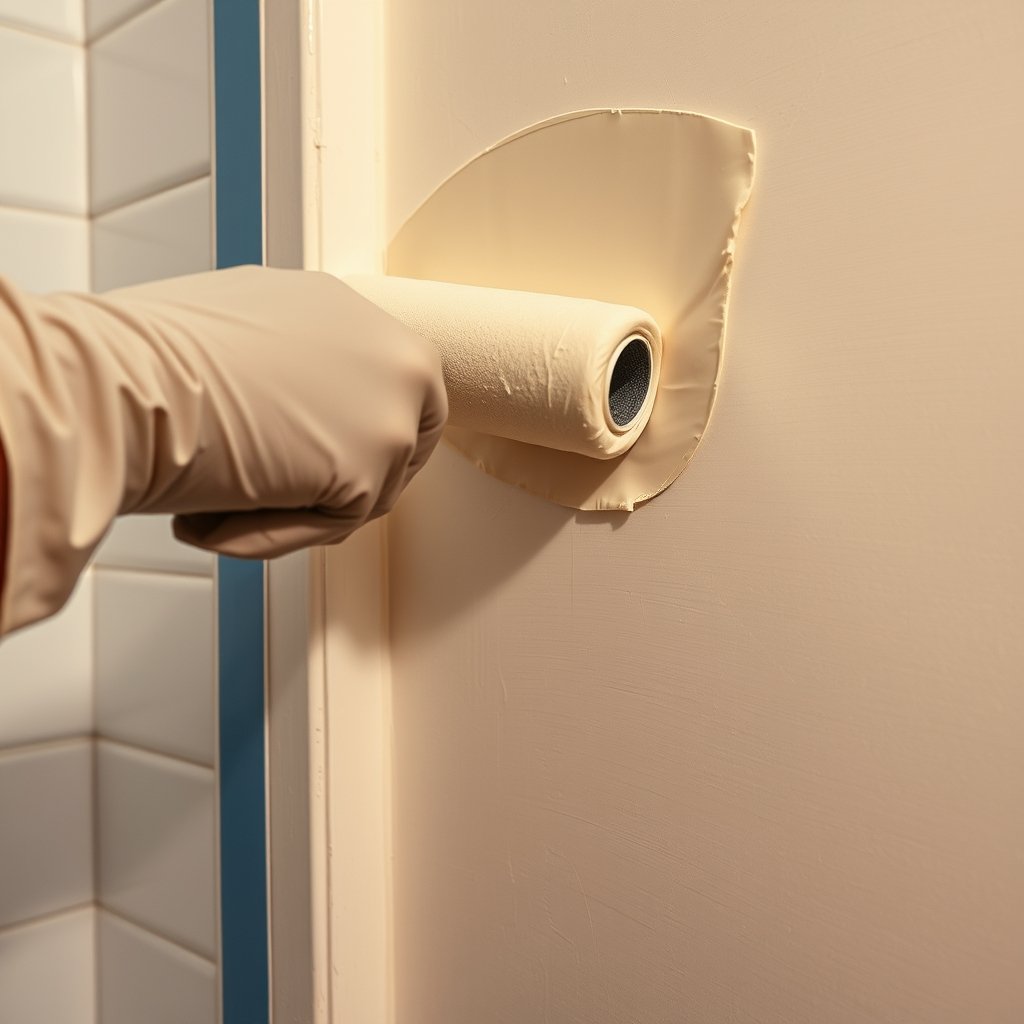
- Apply mold resistant paint for bathroom (satin or semi-gloss only). Budget $35–$70/gal; expect 5–10 years of protection when paired with primer. Benjamin Moore Bath & Spa or BEHR Premium Plus Ultra are proven choices.
Cost Snapshot
| Product/Service | Typical Cost | Durability | DIY/Pro |
|---|---|---|---|
| Mold resistant primer | $25–$45/gal | Adds 5–7 yrs protection | DIY/Pro |
| Best mold resistant paint for bathroom | $35–$70/gal | 5–10 yrs | DIY/Pro |
| Remediation (minor patch, 50 sq ft) | $500–$1,500 | Pro only | Pro |
| Remediation (major, 500 sq ft) | $5,000–$15,000 | Pro only | Pro |
Recommended Budget & Pro-Grade Products
- Zinsser Perma-White Mold & Mildew-Proof Paint – Self-priming, washable, $38/gal, 5-year mold proof guarantee. Pros: Trusted, easy to clean. Cons: Needs two coats for toughest stains. See in use.
- Benjamin Moore Bath & Spa – Advanced waterborne tech, about $60/gal, formulated for high-humidity environments. Pros: Smooth finish, low odor. Cons: More expensive than basic paints. See reviews.
- BEHR Premium Plus Ultra – Mid-price, proven mold/mildew resistance, $42/gal. Widely available. Pros: Good coverage. Cons: Less warranty than Zinsser. Learn more.
Need more bathroom cost breakdowns for your whole remodel? Check out updated window replacement trends and how to power up your home on AllHomesDaily.
Real-World Analysis & Mistakes to Avoid
Despite marketing claims, recurring mold headaches usually trace to three overlooked trouble spots:
- Skipping moisture diagnostics. Many guides ignore hidden leaks, unsealed grout, or faulty fans. Mold resistant paint for bathroom won’t fix excess dampness behind your walls or near plumbing.
- Choosing the wrong system for the job. Using ordinary primer or skipping it entirely. While some anti mold wall paint advertises application “over existing mold,” user reviews confirm much higher failure rates—especially without full surface cleaning and the right primer. (source)
- Poor surface prep and finishing with flat paint. Flat or matte finishes soak up moisture; always use satin or semi‑gloss. Incomplete cleaning is the top cause of new stains after a few months.
| Common Pitfall | Impact | How to Prevent |
|---|---|---|
| Rushed/incomplete mold removal before painting | Peeling, stains recur | Fully remove mold and dry thoroughly |
| Skipping mold resistant primer | Painted finish fails early | Always use a quality primer for bathrooms |
| Painting over wet layers or high humidity | Blistering, no adhesion | Wait for substrate to dry below 16% moisture, keep humidity under 50% RH |
| Using flat/eggshell finish | Moisture seeps in easily | Choose semi-gloss or satin |
| Ignoring maintenance | Mold returns, costly fixes | Schedule periodic cleaning, retouch sealing, and re-coat every 5–7 years |
Annual checkups and routine cleaning are often enough to avoid big jobs—and big bills. For more in-depth home upgrades or repairs, consider best water filter solutions, or explore smart insulation upgrades for lasting value.
Conclusion: Lasting Results, Fewer Hassles
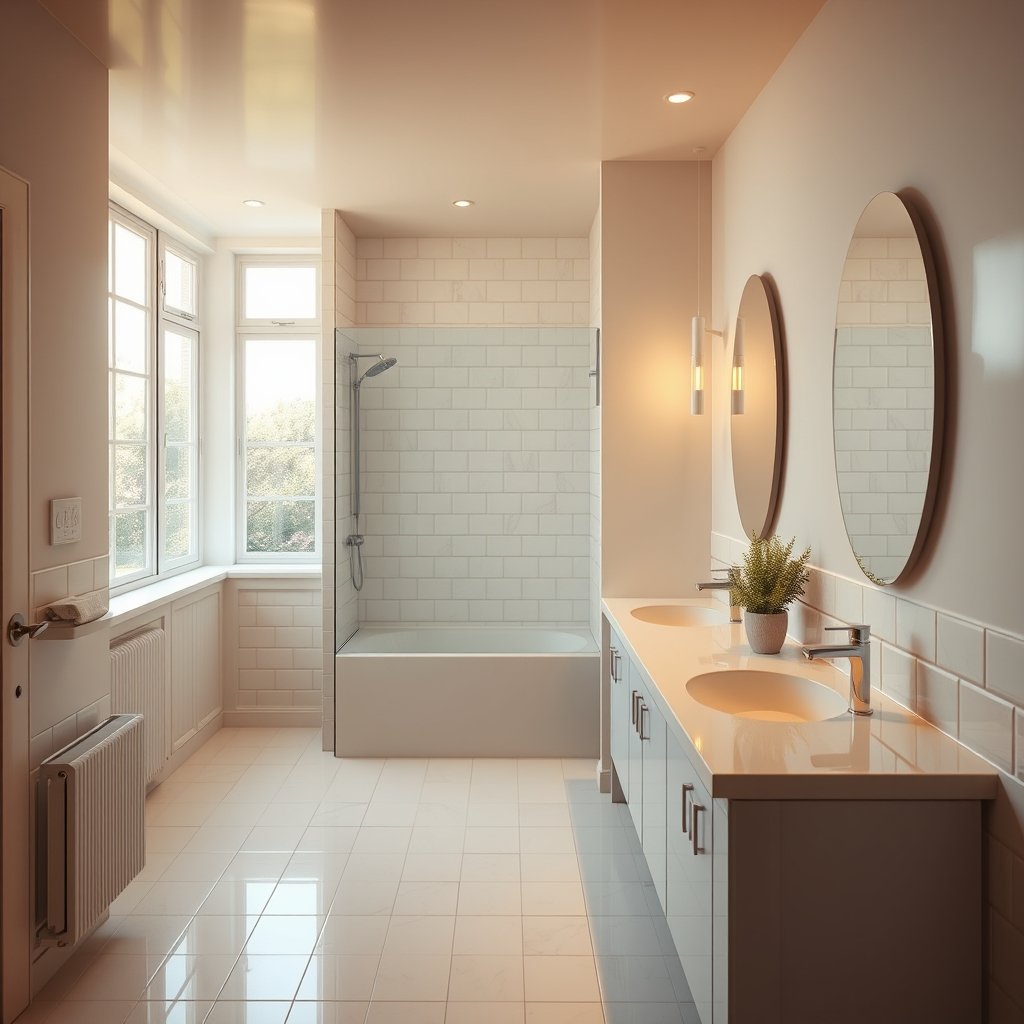
No single can of paint can beat active moisture problems. But with diligent mold removal before painting, high-quality mold resistant primer, and the right anti mold wall paint for your bathroom, you can expect 5–10 years of protection and cleaner air. Don’t skip the prep—your time and money will pay off for years, keeping expensive mold remediation at bay.
Ready to transform your space? Start with a real moisture check, invest once in the best system, and finally enjoy a bathroom that stays fresh and stain-free. For more upgrade guides, see our take on the best solar backyard lights or our deep dive into indoor air quality monitors.
With the right mold resistant paint for bathroom, plus smart prep and proactive care, you can win the war against bathroom mold—so start today.
Frequently Asked Questions
Can I paint over mildew in my bathroom?
No, you should never paint over active mildew or mold. Clean and remove all visible mold with a recommended cleaner, let surfaces dry thoroughly, then use mold resistant primer before applying your finish paint. Skipping these steps often leads to quick failure and health risks.
Does mold resistant paint for bathroom actually last?
Yes, when applied correctly over a dry, mold-free surface and paired with effective ventilation, these products last 5–10 years—much longer than standard paint (3–5 years). Always follow product instructions for best results. Source
Do I need a special primer before using anti mold wall paint?
Yes, a dedicated mold resistant primer blocks future stains and greatly extends durability—typically adding 5–7 more years of protection than painting alone. Regular primers are not enough for bathrooms or humid areas.
When should I call a professional for mold removal before painting?
If your mold area is larger than a standard sheet of paper (over 10 square feet), feels wet, or keeps returning despite cleaning, contact a certified mold remediation specialist. Professional jobs start at $500–$1,000 for small patches, rising to $3,000+ for larger areas. Cost data
Is satin or semi-gloss paint best for bathrooms?
Both work well, but semi-gloss gives the best protection in high-splash areas. Avoid flat finishes, which soak up moisture and allow mold to return faster.