

### Blog Post:
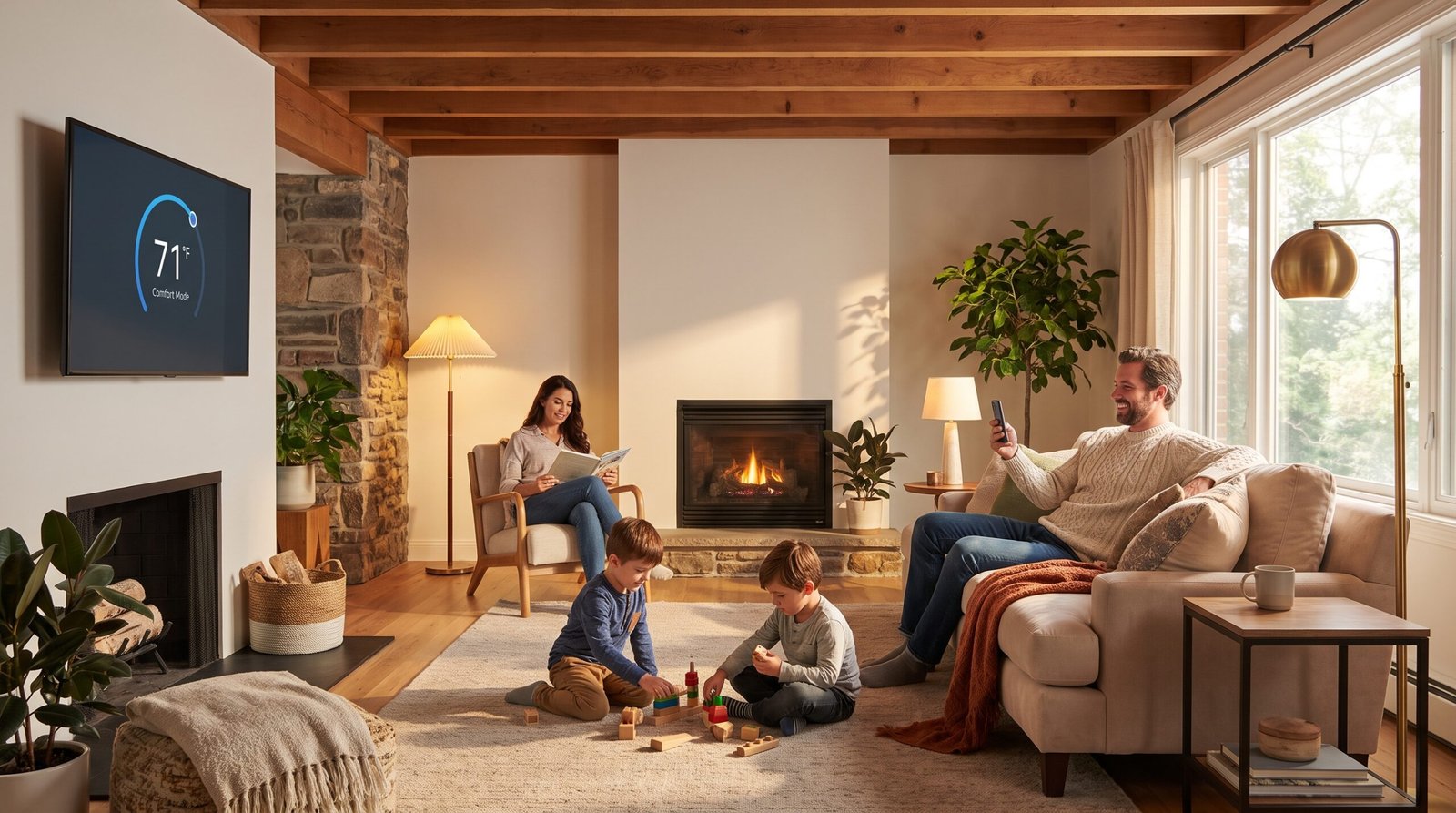
Smart thermostat installation cost isn’t just a number you look up—it’s the real price tag for better comfort, control, and (potentially) ongoing energy savings in your home. But is it worth it for your situation? This guide breaks down the hard numbers, key decisions, and modern ROI realities for budget-conscious homeowners.
Key Takeaways
- Expect a total smart thermostat installation cost of $200–$500 for most single-zone homes, with device and labor split almost 50/50.
- Your HVAC type and whether you need a C-wire significantly impact the final cost—and DIY can save $130–$220 on labor if you’re comfortable.
- Most homeowners see a 2–4 year payback with annual savings of $150–$250, but only if compatibility and install pitfalls are avoided.
- How much does a smart thermostat really cost to buy and install?
- Cost by HVAC type—central furnace vs. heat pump, mini-split, C-wire, multi-zone breakdowns
- Advanced analysis: regional pricing, compatibility pitfalls, ROI & rebate impact
- Conclusion: Should you buy?
- FAQ: Smart Thermostat Installation Cost
How much does a smart thermostat really cost to buy and install?
Let’s get straight to it. The true smart thermostat installation cost is the sum of:
- Device Price: $70 (entry-level, basic WiFi models) up to $300–$350 (premium, multi-sensor, voice-enabled units).
- Installation Labor: $130–$220 in the US, €150–€250 in Western Europe, up to ¥20,000 in Japan for a typical single-zone setup.
This means for most North American and European homes, you’re looking at:
| Bracket | Installed Cost (USD) | Device Tier Example |
|---|---|---|
| Low | $200–$250 | Basic Google Nest, Honeywell T3, manual scheduling only |
| Mid | $300–$400 | Nest 4th Gen, Ecobee 3 Lite, WiFi, app, voice optional |
| High | $400–$500 | Ecobee SmartThermostat Premium, Zone Controller, voice, extra sensors |
These numbers come from firsthand contractor reports and market studies [2], [4]. Most “surprise” costs jump due to extra work—especially C-wire install or complex zoning. That’s why knowing your HVAC and wiring situation is critical before you buy.

Cost by HVAC type—central furnace vs. heat pump, mini-split, C-wire, multi-zone breakdowns
The smart thermostat installation cost depends heavily on your system type and wiring. Here’s how it usually shakes out:
| HVAC Type | Typical Total Cost (Device + Labor) |
Special Cost Drivers |
|---|---|---|
| Single-zone Central Furnace/Heat Pump | $200–$500 | Standard, as long as C-wire is present |
| Central HVAC, NO C-wire | $250–$550 | Add $50–$150 for new C-wire or C-wire adapter install |
| Mini-split (with controller) | $140–$200 | Plug-in units, usually no wiring labor needed |
| Multi-zone/Multi-stage | $350–$700+ | Add $100–$200 per additional zone or stage |
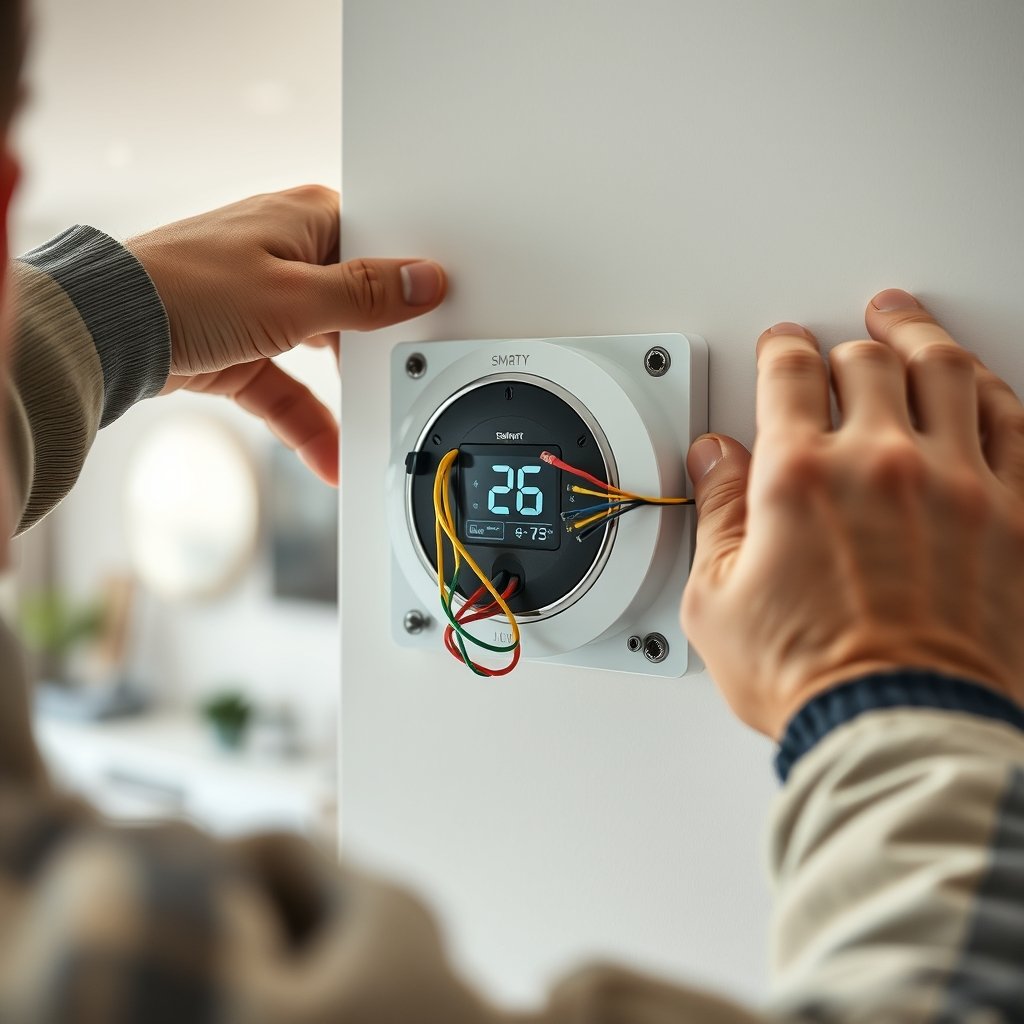
For advanced zones or variable-speed equipment, costs can spike due to extra hardware and wiring complexity. Mini-splits are a different game: if your controller simply plugs in, total cost stays under $200. But if you want advanced features (like room-by-room control), budget for add-ons.
Regional snapshot: North America sees total smart thermostat installation cost clustering $150–$600, Western Europe €250–€700 (higher labor, VAT), and Japan ¥12,000–¥20,000 labor, but similar device costs [5].
Many homeowners with basic single-zone forced-air systems will be in the $200–$400 range if DIY. Add $130–$220 for pro installation, but you save hassle—and risk—on system compatibility checks [3].
Advanced analysis: regional pricing, compatibility pitfalls, ROI & rebate impact
Let’s dig deeper: the biggest pain points around smart thermostat installation cost and ROI aren’t device price—they’re compatibility, wiring surprises, and exaggerated energy savings claims. Here’s what actually matters:
- Compatibility Trouble: A missing C-wire, variable-speed, multi-stage, or old non-standard wiring can drive up your installed cost by $50–$150 or even make some WiFi thermostats incompatible [1].
- Setup Hassle: Complex apps can defeat DIYers, leading to incomplete schedules and wasted money. Read reviews and ask your installer to walk you through setup and app pairing.
- True ROI Analysis: Actual savings are typically 8–12% of your home’s annual heating/cooling utility bills. For a 2,000 sq ft North American home, that’s $150–$250/year. Typical payback: 2–4 years; five-year ROI: 25–50%.
| Scenario | Device + Labor | Annual Bill Savings | Payback | 5-Year ROI |
|---|---|---|---|---|
| DIY – Basic device + no C-wire needed | $200–$250 | $150–$200 | 1.3–1.7 yrs | 60–85% |
| Pro – Premium device, C-wire install | $500–$550 | $220–$250 | 2–3 yrs | 45–55% |
| Pro – Multi-zone/complex | $600–$750+ | $220–$300 | 2.5–4 yrs | 30–45% |
Full lifecycle cost: Don’t forget remote sensors ($30–$80 each), voice modules ($30–$60), or optional subscription features (up to $60/yr). Most US utilities offer rebates ($30–$100); in Europe, plan for €25–€80 back. Always apply for rebates to reduce your net cost—and don’t skip this when comparing options.
If you want an even deeper dive into energy payback and utility incentives, check out our detailed smart thermostat payback guide.
Quick ROI Calculator
Plug in your numbers below (or on paper):
- Total device + install cost (after rebate): Enter your quote
- Last year’s heating + cooling bill total: Get from your utility statement
- Expected annual energy savings: 8–12% (use 10% as a mid estimate)
- Payback period = Device + Install – Rebate / (Annual Bill × % Savings)
Example: $400 net install cost, $2,200 in annual bills, 10% savings → Payback = $400 ÷ $220 = 1.8 years. Five-year ROI: ($220 × 5 – $400)/$400 = 175%—outstanding for a simple home upgrade.
Decision Matrix
| Decision Path | When to Choose | Install Complexity |
|---|---|---|
| DIY Safe | Single-zone, C-wire present, comfortable w/ wiring | Low – Minimal risk |
| Hire a Pro | No C-wire, multi-stage/zone, unsure of wiring, warranty concerns | Moderate/High – Worth pro help |
| Skip/Upgrade HVAC | Old non-compatible system (millivolt/baseboard), major incompatibility | High – Wait or budget for HVAC upgrade |
Top User Pain Points with WiFi Thermostats
- Compatibility: C-wire problem, old wiring, multi-stage/zone issues.
- Setup/App Complexity: Confusing apps; unclear menus or device pairing failures.
- App Reliability & Overstated Savings: Some apps or cloud services go down or lose sync, making smart features useless. Savings claims don’t always materialize—especially without programming schedules or optimizing occupancy sensing.
Check all compatibility questions with your HVAC or thermostat installer. See our air quality monitor buyer’s guide for more on home energy health and device ecosystem upgrades.
Choosing the Best Smart Thermostat in 2026
| Tier | Popular Models (2026) | Install Complexity |
|---|---|---|
| Entry | Honeywell T3, Emerson Sensi Lite | Very Low (no C-wire or add-a-wire kit often needed) |
| Mid | Nest 4th Gen, Ecobee 3 Lite | Moderate—confirm C-wire or use adapter |
| Premium | Ecobee SmartThermostat Premium, Honeywell T10, Tado Multi-zone Kit | Moderate/High—multi-sensor setup, may add zones and wiring |
Tip: In 2024 WiFi thermostats made up 68% of the market [1]. Double-check wifi thermostat compatibility for your exact system/model.
For readers considering broader comfort or security upgrades, peek at our reviews of smart door locks or the latest in solar outdoor lighting for additional energy savings.
Conclusion: Should you buy?
If you want predictable energy savings, hands-off comfort, and live in a home with central heating/cooling, adding a smart thermostat is usually a smart financial bet. For most homeowners, the device plus labor smart thermostat installation cost delivers real ROI—especially if energy rates are rising or your current old thermostat has basic programming only.
Ready to move forward? Check compatibility. Get quotes. Compare rebate options. Act before the next heating or cooling season for best payback. If you’re not confident in wiring or C-wire install, bring in a pro—it’s worth avoiding system damage and maximizing your new thermostat’s performance.
For even more room-by-room energy wins, explore our heat pump water heater rebate guide and maximize savings across your HVAC ecosystem.
FAQ: Smart Thermostat Installation Cost
How much does professional smart thermostat installation cost?
In the US, expect $130–$220 for installation labor, plus the device. More complex wiring or multiple zones can raise this to $300+.
Is it worth hiring a pro instead of DIY?
If your system is standard and has a C-wire, DIY is safe for many. If in doubt—especially with older wiring, no C-wire, or multi-stage equipment—hire a pro for peace of mind and warranty protection.
How do I know if I need a C-wire?
Remove your current thermostat cover and check terminal labels. If you’re missing a “C” terminal, budget for adapter or wire install ($50–$150 extra).
What rebates are available for smart thermostat installation?
Most US utilities offer $30–$100 rebates. In Europe, expect €25–€80 per device. Check your provider’s website for exact amounts and application process.
What are the most common pain points with smart thermostats?
Compatibility (C-wire, wiring, multi-stage), complex setup/apps, and unreliable app/cloud service are the top user complaints—plan accordingly.
—