

### Blog Post:
Smart leak detector systems are no longer just a nice-to-have—they are essential for protecting your home from unexpected water damage and costly repairs. In 2024 and 2025, the right buying decision can either save you thousands or leave you exposed to unnecessary risk. This guide explains exactly how to choose, place, and install the right smart leak detector for your home and needs.
Key Takeaways
- The majority of buyers in 2024–2025 use standalone WiFi water leak sensors, but premium integrated shutoff systems are growing fast and may better suit whole-home protection.
- Beware of coverage gaps: most puck sensors monitor just 5–10 ft, some systems need a separate hub, and cloud features can require ongoing monthly fees.
- Smart placement and technical setup are as important as device selection—false alarms, WiFi drops, and privacy issues remain common buyer complaints.
- 2024–2025 market snapshot: why WiFi and standalone sensors matter for buyers
- What this means for homeowners (cost vs. protection tradeoffs)
- Top user pain points with WiFi leak sensors (and how to avoid them)
- Top-3 coverage gaps competitors leave open (opportunities to highlight in copy)
- Sensor types and detection methods (what actually detects water)
- How to choose the best smart leak detector for your home (step-by-step checklist)
- Basement-focused guidance: best placement, sensor choice, and preventing false alarms
- Installation & troubleshooting: reduce setup friction and improve reliability
- Buying shortlist & comparison framework (what to test when reviewing products)
- Wrap/CTA: immediate steps readers should take after reading
- FAQ
2024–2025 market snapshot: why WiFi and standalone sensors matter for buyers
In 2024 the smart leak detector market is worth over $1.42 billion and is estimated to hit about $1.51 billion in 2025, growing steadily by about 6% annually. The dominant technology is standalone detectors: battery- or plug-in “puck” style WiFi water leak sensors, capturing about 61.4% market share in 2025 [Research Link]. WiFi connectivity itself is projected to reach nearly 49% of all new installations by 2025, outpacing Zigbee and Z-Wave in residential settings due to its “no additional hub needed” simplicity and fast alerting via mobile app.

At the premium end, there is surging interest in whole-home integrated shutoff systems—including ultrasonic flow meters and auto shutoff valves—because they promise not only to alert, but to actually stop leaks even if you aren’t home. However, these systems are more expensive and sometimes require professional installation or complex app setups. Homeowners should weigh these trends when deciding between a quick-setup WiFi sensor pack and a more advanced, monitored solution.
What this means for homeowners (cost vs. protection tradeoffs)
Buyer needs map closely to budgets, risk tolerance, and layout of your home. Here’s how solutions break down by price and typical protection:
- Budget WiFi packs (3-sensor kits for $35–$80): ideal for kitchens, under sinks, laundry rooms, and basic coverage in finished basements. Simple DIY installation and app alerts are standard features.
- Mid-range spot sensors ($80–$150): usually add advanced humidity filtration, longer battery life, and more reliable app integration. Suited for homes with more extensive plumbing or multiple floors.
- Premium whole-home shutoff/flow systems ($400–$700): include auto shutoff, flow monitoring, and analytics. Best for high-risk properties—mainlines, second/vacation homes, or where water is especially costly to repair.
Most homeowners are well served by a few carefully placed WiFi sensors, but if your main water line runs through finished living space, investing in a premium system may be your smartest move. For more about how smart leak detection fits into broader home infrastructure, see this article on systems integration.
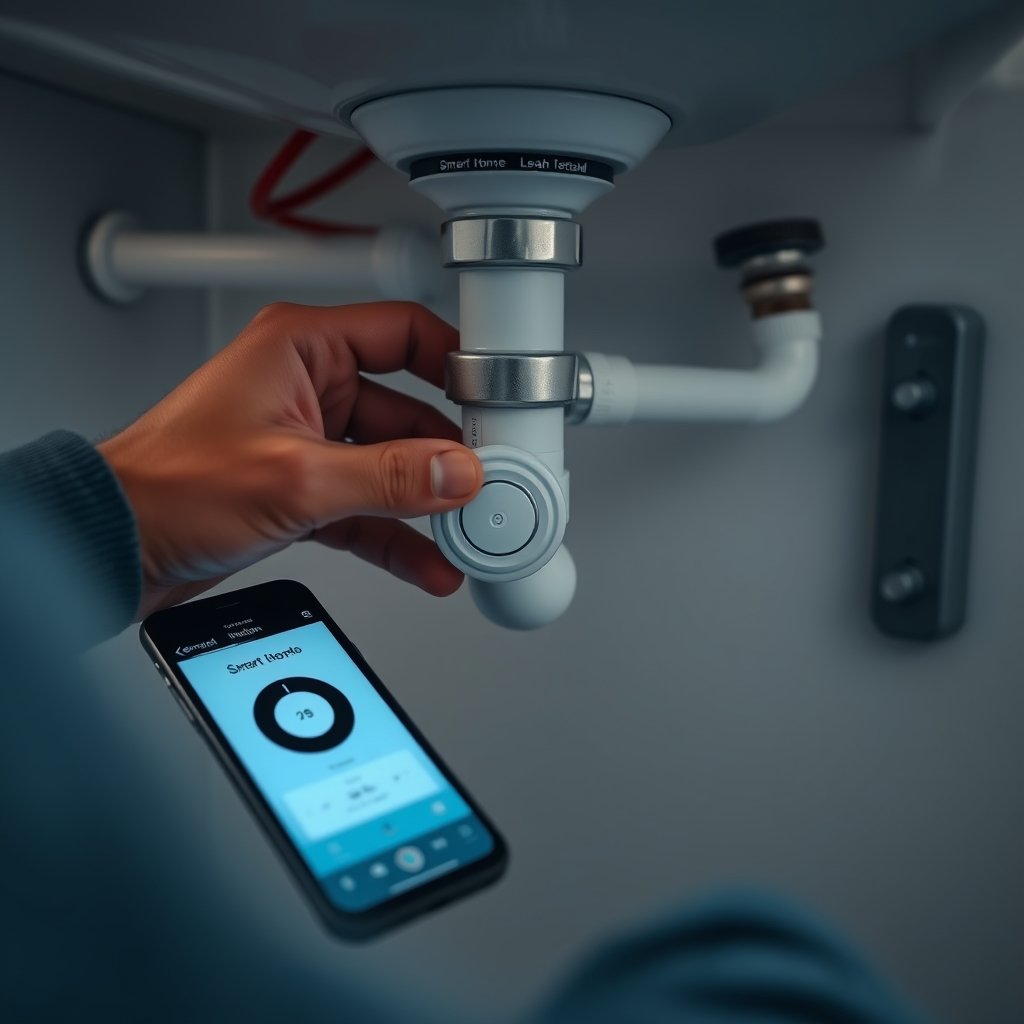
Remember, advanced auto-shutoff solutions may require monthly subscriptions if you want features like AI analytics or remote valve actuation. Always read the fine print.
Top user pain points with WiFi leak sensors (and how to avoid them)
While WiFi water leak sensors are easy to set up, many users report recurring frustrations that can undercut protection:
- False alarms from humidity spikes and condensation—especially near dryers or after showers.
- Cumbersome setup workflows—confusing app/router pairing, repeated login prompts, or over-complicated permissions.
- Intermittent reliability—weak WiFi signal means missed or delayed app alerts, especially in basements or larger homes.
- Privacy concerns—certain brands collect and store water usage or home activity data in the cloud, often without clear opt-outs.
How to avoid them:
- Pick detectors with built-in false alarm filtering and adjustable sensitivity, particularly if humidity is high in your home.
- Check for plain-English install guides, strong app ratings, and straightforward WiFi setup—some brands now let you scan a QR code and pair in 60 seconds.
- Always test connectivity where you’ll install: place the detector, walk away, and trigger a test to confirm instant alerts.
- Review the device’s privacy policy—choose brands offering local-only processing or with a clear privacy guarantee.
Interested in deeper analysis of optimization and smart systems troubleshooting? You may also want to read about system reliability best practices here.
Top-3 coverage gaps competitors leave open (opportunities to highlight in copy)
As you research the best smart leak detectors for home, keep an eye out for these realities—because most product marketing glosses over them:
- Limited detection range: Most puck/spot sensors only detect water within about 5–10 feet. This means several may be needed for a large basement or open-plan ground floor, while LoRa sensors cover up to 500 feet (line-of-sight), reducing hardware count.
- Hub dependence in connected ecosystems: Zigbee, Z-Wave, and LoRa sensors require a hub or bridge for app integration, while most WiFi water leak sensors do not. If you want to avoid extra boxes and cables, prioritize WiFi models.
- Subscription fees hiding features: Some brands withhold remote shutoff or advanced analytics behind $5–$12/month fees. If you only need instant alerts, pick a brand that does not require cloud subscriptions for basic use.
For nuance about ecosystems and pitfalls of device fragmentation, you might enjoy our article on ecosystem compatibility and smart home setups. To see shifted coverage models and LoRa deployments, check this buyer’s guide.
Sensor types and detection methods (what actually detects water)
Understanding what’s inside a smart leak detector will help you match the device to your needs. Common detection methods:
- Capacitive moisture “pucks”—Detect water on the floor or under appliances. Best for visible, surface leaks. Trigger when even a thin puddle touches the sensor contacts.
- Acoustic or pressure probes—Clamp onto pipes and “listen” for tell-tale drips/leaks. Spot slow leaks inside walls, but are more complex and pricier than pucks.
- Ultrasonic flow meters—Attach to your main water line and monitor for changes in flow signature, catching even pinhole leaks or plumbing breaks house-wide.
Rule of thumb: Use pucks for under-sink, washer, or basement sensor deployments; consider pressure or ultrasonic options for full-home coverage, especially for high-value homes or if you travel frequently. For advanced leak spotting, see this research overview.
How to choose the best smart leak detector for your home (step-by-step checklist)
- Map high-risk areas: Think basements, laundry, water heaters, kitchens, and below bathrooms—anywhere with pipes or drains nearby.
- Decide on coverage type: Spot sensor packs (coverage strategy tips here) vs. whole-home/flow monitoring.
- Check connectivity needs: For DIY, pick WiFi water leak sensors with good app reviews. For large/difficult layouts or smart home integration, you may need Zigbee/LoRa but will require a hub.
- Power options: Batteries (2–6 year life) mean no cords but require checking; plug-in models offer low maintenance but need outlets strategically placed.
- Integration with shutoff: If you want the device to automatically turn off water during a leak, seek models with direct shutoff valve or mainline flow monitor integration.
- App features and privacy: Instant app alerts are a must. If data privacy matters to you, look for local processing or optional cloud.
- Review cost and plan for expansions: Premium features or analytics may tip the cost upward—ask yourself if you truly need every option advertised.
Refer to the research: WiFi accounts for nearly half of all device connectivity in 2025, and shutoff systems are the fastest growing solution. Choose what fits your lifestyle and technical comfort.
Basement-focused guidance: best placement, sensor choice, and preventing false alarms
Basements remain one of the highest-risk areas for water leaks—think sump overflows, failed water heaters, or foundation seepage. Here is how to maximize your basement water alarm sensor coverage:
- Placement: Target floor low points, corners near drains, near the sump pit, below the water heater, and under any bathroom or laundry located upstairs.
- Sensor types: Standard capacitive “puck” sensors deliver fast detection on finished flooring, but choose LoRa or Zigbee models for large spaces or stone/concrete that blocks WiFi.
- False alarm reduction: Use sensors that can differentiate sudden humidity spikes from direct water contact. Avoid placing too close to appliances venting steam or near floor drains without splash guards.
- Extend connectivity: If WiFi coverage is poor in your basement, consider WiFi extenders, a mesh network, or switch to LoRa for up to 500 ft line-of-sight coverage.
Plan at least two sensors in basements—five if the space is larger than 800 sq ft or has multiple risk points.
Installation & troubleshooting: reduce setup friction and improve reliability
Proper setup is key for reliability. Here’s a concise step-by-step:
- Download the leak detector’s app before unboxing to check reviews, privacy guarantees, and permission needs.
- Insert batteries or plug in the device, then pair to your WiFi. If your device uses a QR code or tap-to-connect, follow each step as prompted by the app. If possible, use the 2.4GHz WiFi band (many sensors don’t support 5GHz networks).
- Physically place each sensor at its target location. Simulate a leak with a small cup of water to trigger the detector and confirm you get instant alerts/beeps on your phone.
- For false alarm reduction: If your model allows, calibrate humidity thresholds and sensitivity in the app settings. Clean sensor contacts monthly—dust can confuse some puck sensors.
- To solve weak WiFi: Test multiple spots for coverage, or install a mesh WiFi/extender. Alternatively, if WiFi upgrades are impractical, pick a hub or LoRa model for resilient communication.
Many brands offer video walkthroughs for setup—search the manufacturer’s site if you get stuck, or visit our troubleshooting tips roundup for more.
Buying shortlist & comparison framework (what to test when reviewing products)
As you shortlist or review smart leak detectors for home, filling out the table below helps see through marketing claims and avoid common traps:
| Brand & Model | Sensor Type | Detection Range | Connectivity/Hub | Battery Life | App Alerts & Privacy | Auto-Shutoff Support | Price | Subscription Needed? |
|---|---|---|---|---|---|---|---|---|
| Sample A | Capacitive puck | 10 ft | WiFi (no hub) | 3 yrs | Yes, local only | No | $55 (3-pack) | No |
| Sample B | Acoustic probe | 15 ft (pipe) | Zigbee (hub) | 2 yrs | Yes, cloud-based | No | $120 (1) | Optional $5/mo for analytics |
| Sample C | Ultrasonic flow meter | Whole-home | WiFi (no hub) | Plug-in | Yes, cloud optional | Yes | $425 | $12/mo for remote shutoff |
For monthly fees on advanced options, see highlights from this 2025 buyer’s guide.
Wrap/CTA: immediate steps readers should take after reading
Here’s how to minimize your water-damage risk starting today:
- Walk through your home and make a quick list of high-risk points (basement, near water heater, under sinks, behind washing machine).
- Install affordable spot sensors in these areas—you can use a smart leak detector with app alerts to monitor each one remotely.
- If your main line runs through living space or you’ve had leaks before, consider investing in an integrated shutoff/flow monitoring system.
- Sign up only for cloud features you truly need. Many basic alerts are included free—skip the subscription unless you require analytics or remote shutoff control.
- Test each sensor monthly. Adjust placement or upgrade WiFi/mesh as needed for full alert coverage.
Standalone spot detectors are the largest, fastest-moving segment of the market, but integrated solutions are growing rapidly; most homeowners get the best ROI by mixing spot sensors with targeted mainline protection. Take simple steps now to protect what matters—start by picking a smart leak detector that matches your layout and risk profile, then follow the placement and setup tips above.
FAQ
How many smart leak detectors should I install in my home?
Most homes need a minimum of one sensor per high-risk zone: kitchen, laundry, under each bathroom, and basements. Large homes or finished basements may need 5–8 to cover all risk points.
Will my WiFi water leak sensor work if the internet goes out?
Most sensors will still sound a local alarm even without WiFi, but app alerts and remote monitoring require an active connection. Some premium systems offer battery backup and local notifications as failsafes.
Are false alarms common with smart leak detectors?
Yes, especially in high-humidity areas. To reduce them, choose models with humidity calibration and avoid placing sensors near vents, sump pumps, or floor drains where condensation can trigger alerts.
Can I integrate a smart leak detector with my existing smart home system?
Many WiFi water leak sensors integrate with Alexa, Google Home, or IFTTT. However, Zigbee/Z-Wave or LoRa sensors need compatible hubs. Always check compatibility before buying.
Do I have to pay a monthly fee to use my leak detector with app alerts?
Basic alerting is usually free, but advanced features like analytics or remote shutoff may require a monthly subscription—up to $12/month depending on the brand.
—