

Garage storage system upgrades are no longer a luxury for homeowners who want safe, efficient, and lasting ways to reclaim their garage for what matters—hobbies, gear, or parking your car. But making the right choice now means dodging common mistakes that could leave you with sagging, corroded, or even unsafe shelves and racks.
Key Takeaways
- Modern garage storage systems are safer and more versatile but require careful weight, material, and mounting choices to avoid common failures.
- Wall mounted garage shelves offer unbeatable vertical organization for urban and suburban homes—if properly installed to studs with quality hardware.
- Industry guides often skip vital specs—always verify per-shelf weight limits, material durability, real-world install steps, and warranty before you buy.
- Why garage storage systems matter in 2024–25
- Which system type is right for your garage (cabinets, wall systems, overhead, heavy-duty racks)
- Why wall-mounted garage shelves are gaining market share (and when to choose them)
- The hard numbers that matter — weight capacities and material benchmarks
- What most buying guides miss — standardized weight specs and independent testing
- How to mount wall systems safely — step-by-step stud-mounting checklist
- Overhead storage: maximize cubic feet without risking collapse
- Materials, coatings and rust resistance — what to require for humid garages
- Installation difficulty, tools, and professional vs DIY decision matrix
- Budgeting: cost vs longevity — how to value-test systems
- Quick buying checklist & inspection script (pre-purchase and pre-install)
- Short FAQ — 10 answers readers expect (sagging, anchors vs studs, garage floor clearance, ceiling height)
- Final recommendation matrix — best choice by user goal
Why garage storage systems matter in 2024–25
The market for garage storage systems is booming, with a global value approaching USD 27.9 billion in 2025 and a projected 7.9% compound annual growth rate through 2035 [Research Report]. North America leads the way, driven by established housing and a strong DIY culture, while Europe and parts of Asia-Pacific are catching up fast. The trend? Maximizing every cubic foot—especially vertical space—with modular systems that adapt as your needs change. For any homeowner, ignoring this trend means missing out on both convenience and value.
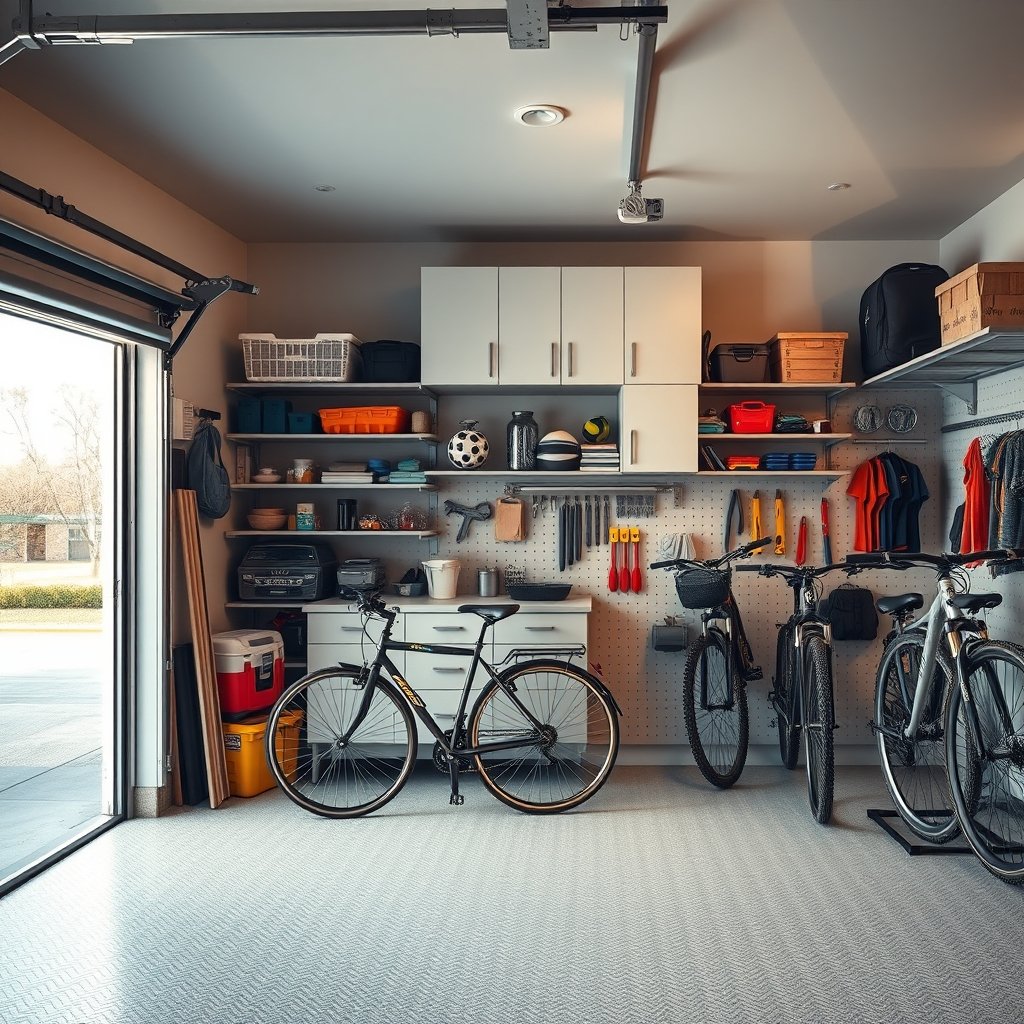
Which system type is right for your garage (cabinets, wall systems, overhead, heavy-duty racks)
Your choice of garage storage system should reflect both the space you have and how much weight you plan to store. Here’s how the main types compare:
- Garage cabinets: Enclosed, clean look, ideal for hazardous materials or valuables; largest market share (~44.8%). Require floor space but great for organizing.
Learn about how systems build on each other in storage contexts. - Wall mounted garage shelves: Fastest-growing segment (~7.8% CAGR). Best for maximizing vertical space, flexible layouts, and quick visual access. Require strong stud mounting for safety.
- Overhead garage storage: Unlocks unused ceiling volume, ideal for bulky seasonal gear—requires high ceilings and careful installation to prevent interference with vehicles or doors.
- Heavy duty garage racks: Usually open steel frames with high weight limits (up to 800 lb per shelf), great for big bins and power tools. Can eat up floor space, and pro install may be needed for the heaviest racks.
Decision triggers: If you want max storage per square foot and easy access, wall-mounted shelves are hard to beat. Need to hide chemicals or sharp tools? Go with cabinets. For long-term, heavy storage, steel racks or overhead units will make better use of your garage’s volume.
Why wall-mounted garage shelves are gaining market share (and when to choose them)
Wall mounted garage shelves are seeing rapid adoption because they let any homeowner, especially those in urban or high-density areas, unlock vertical space and keep the floor open for cars or workbenches [Research Data]. The modular design means you can start small and expand as your needs change.
When should you go wall-mounted?
- You have limited garage floor space.
- You want easy installation without concrete anchors (wood studs required).
- You prefer to keep bins, gear, or sports equipment visible and accessible.
- Your climate is humid, and you want to avoid rust by using protected steel or premium plastics.
For inspiration, check out more garage organization ideas here.
The hard numbers that matter — weight capacities and material benchmarks
Not all garage storage systems are created equal—especially when it comes to strength and safety. Here’s what you must demand:
- Steel shelves: 500–800 lb per shelf load reliability, with proper stud fastening. Steel alone makes up roughly 48% of all market installs [Research Data].
- Plastic shelving: Cheaper, lighter, and often easier to install—but rarely rated above 100–200 lb per shelf and not recommended for tools or heavy bins.
- Overhead racks: Verify capacity. Small racks = 200 lb, large racks can be rated up to 1,000 lb if weight is evenly distributed (not all brands meet this, and uneven loads can fail fast) [Gladiator Guide].
Always ask for “evenly distributed” weight versus point loads. Point loads from bowling balls or compressors can exceed designed shelf specs and cause early failure.
If you want more on durability and frame material, explore how foundational hardware steers reliability in detail.
What most buying guides miss — standardized weight specs and independent testing
Many garage storage system buying guides gloss over the critical details: clear per-shelf weight ratings, load test data, and longevity under humid or real-world conditions. This lack of transparency leads to shelves that sag after a season, bolts that pull out of weak drywall, or steel that rusts prematurely—even when advertised as “heavy duty.”
Ideally, every product will disclose:
- Per-shelf maximum load in pounds, both point and distributed
- Independent durability testing or real-world load/rust data
- Finish thickness (powder coat in mils) and warranty in years
For a closer look at standards in other domains, check out how proper benchmarking prevents failures.
How to mount wall systems safely — step-by-step stud-mounting checklist
Skimping on installation is the top cause of dangerous or underperforming wall mounted garage shelves. Here’s how to do it right, every time:
- Locate studs with a high-quality electronic stud finder. Confirm with a thin nail or finish screw—never anchor just to drywall or paneling.
- Mark shelf height and layout. Use a level and painter’s tape for accuracy. Some DIYers use chalk lines for longer runs.
- Hardware selection: For wood studs, choose 3/8 inch diameter lag bolts with at least 2.5 inch embedment. For metal studs (common in newer homes), use heavy-duty toggles or dedicated rack anchors rated for no less than the shelf’s maximum load.
- Pilot holes sized for the lag bolt’s shaft diameter prevent wood splitting.
- Mount rails or brackets at a minimum of every second stud (16-24 inches), or per manufacturer’s guidelines—closer spacing is better for heavy loads.
- Tighten hardware to snug (not stripped). Use a torque wrench if available—most lag bolts should be tightened to 15–20 ft-lb torque.
- Inspect shelf level. Adjust before tightening final bolts.
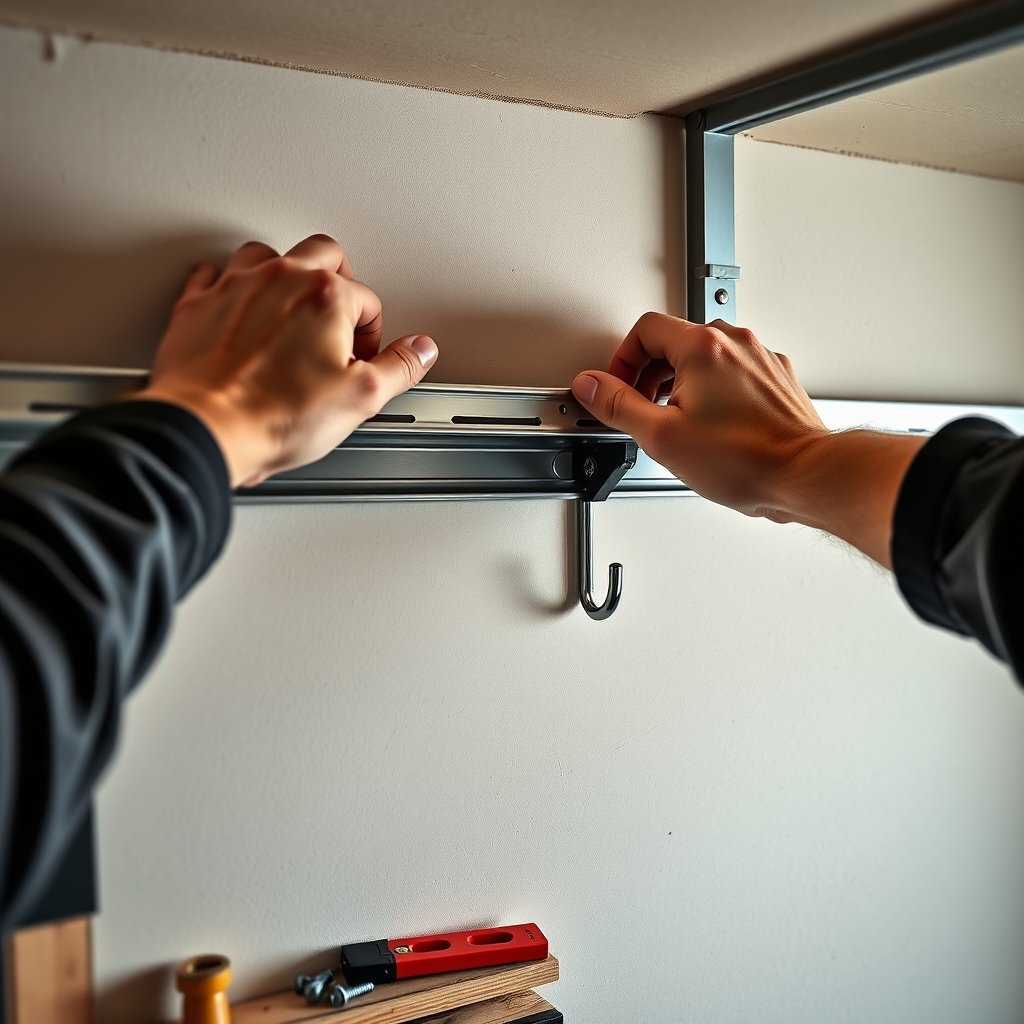
Want a primer on basic and advanced mounting steps for all home improvements? Peek at this DIY-friendly install walkthrough for broader context.
Overhead storage: maximize cubic feet without risking collapse
Overhead garage storage is a powerful way to reclaim space above parked vehicles or work zones, but it demands exact sizing and safe installation to prevent catastrophic failure [Fleximounts Guide]:
- Ceiling clearance: Check the frame and shelf against the lowest point of your garage door, opener, and any light fixtures. Maintain at least 18 inches clear space above hood height for safe parking.
- Weight rating: Small racks usually max out at 200–300 lb. Large racks with 4 x 8 foot frames can go up to 1,000 lb (but only if every mounting point and joist is properly secured, and loads are evenly distributed).
- Best for: Seasonal items, rarely-used gear, bins of holiday decorations—never power tools or anything unsafe to access above shoulder height.
- Professional install: For joist spanning and high-mass installs, don’t hesitate to bring in a pro—it’s worth it for both safety and your insurance.
Materials, coatings and rust resistance — what to require for humid garages
Rust is public enemy number one for steel-based garage storage system owners, especially in areas with hot, humid summers or high winter humidity. Here’s what to look for:
- Powder-coat finish: Thick (preferably >2 mil) and uniform. Top producers publish powder thickness and offer warranties of 5+ years against rust. This method dominates heavy duty garage racks.
- Galvanized steel: Ideal for ultra-humid zones but usually comes at a premium.
- Stainless steel: The gold standard for corrosion—but expensive and rarely needed outside of extreme environments.
- Plastic: Zero rust concerns, but lower weight limits and possible flex or UV breakdown over time.
Before buying, ask about salt spray testing or any product that meets recognized corrosion standards for peace of mind in wet garages. For more on smart, resilient structural materials, visit our guide to material cycles in challenging environments.
Installation difficulty, tools, and professional vs DIY decision matrix
Many wall mounted garage shelves and lightweight wall systems are DIY-friendly, needing only:
- A drill and basic hand tools
- A level and stud finder
- Lag bolts or approved anchors
Bigger jobs—like 14-gauge commercial steel racks, large overhead frames, or anything needing custom cuts—often demand:
- Heavy tools (impact driver, torque wrench, masonry bits)
- Two-person lift/assembly
- Sometimes: professional installation, especially on masonry or if unsure about ceiling joists’ load bearing
Bottom line: DIY is fine for most small to mid-weight installs. For big steel or major overhead projects, bring in a certified installer for safety and warranty insurance. For tips on deciding when to DIY versus call a pro, see our detailed assessment of which projects need professional skill.
Budgeting: cost vs longevity — how to value-test systems
Value is not just about the up-front cost of your garage storage system. Savvy homeowners consider:
- Initial price (including shipping and hardware add-ons)
- Installation effort and possible pro labor
- Replacement rate: Will cheaper systems sag or rust, requiring you to buy again in five years?
- Warranty: A 10-year warranty from a reputable brand adds value even if the ticket price is higher.
Recent market research shows homeowners are willing to invest more in steel and cabinet systems if the expected lifespan exceeds 15 years [TechSci Research]. If you want inspiration for smart long-term investments, see how buyers weigh lifespan and usability on other big-ticket home upgrades.
Quick buying checklist & inspection script (pre-purchase and pre-install)
Print or save this checklist for your next trip to the store—or before you click “buy” online.
- What is the per-shelf weight capacity (distributed and point loads)?
- Is recommended mounting hardware included (lag bolts, toggles)? Specs for both wood and metal studs?
- What is the minimum stud spacing required? (Standard is 16–24″, but closer is better for heavy duty racks.)
- Does the finish/coating meet powder or salt-spray standards? Warranty length?
- Can the manufacturer cite third-party or lab testing on load and rust performance?
- Are all recommended install tools listed in the instructions?
- For overhead garage storage: is the system rated for ceiling joist mounting—and is professional install recommended?
This checklist directly addresses the most common gaps in published buying guides, giving you more confidence in your investment.

Short FAQ — 10 answers readers expect (sagging, anchors vs studs, garage floor clearance, ceiling height)
How much weight can a typical garage storage system really hold?
Wall mounted garage shelves made from steel are typically rated for 500–800 lb (evenly distributed) per shelf. Overhead systems can range from 200–1,000 lb, but this depends on secure mounting into ceiling joists and the rated hardware. Always check the label and look for independent test verification.
Are drywall anchors alone safe for wall mounted garage shelves?
No. Drywall anchors are not safe for shelves that will hold more than 10–20 lb. Always fasten shelves into solid wood or metal studs for safety. Use lag bolts for wood, heavy-duty toggles for metal studs.
What ceiling height do I need for overhead garage storage?
You’ll need enough headroom to clear your parked car, any garage door tracks, and to safely access stored items. Most racks require at least 2 feet between ceiling and highest point of your vehicle. Always measure before buying.
Will steel shelves rust in a humid garage?
Powder-coated or galvanized steel shelves are highly resistant to rust, especially if the coating is thick and warranty-backed. Uncoated or thinly finished steel is at risk—ask for product testing data.
When should I call a pro instead of DIY?
Hire a pro for anything involving heavy duty overhead racks, uncertain ceiling joist strength, or mounting onto block or concrete walls. It’s worth it for safety and warranty coverage.
Final recommendation matrix — best choice by user goal
| User Priority | Recommended System | Minimum Spec | Notes |
|---|---|---|---|
| Max storage volume | Cabinets or large steel racks | 44.8% market share, 500–800 lb/shelf for steel | Covers valuables, tools, and bulk storage; plan for floor footprint |
| Vertical optimization (small garage) | Wall mounted garage shelves | Rated for 300+ lb/shelf, every-stud mounting | Fastest-growing market; best for urban/compact homes |
| Lowest cost, fast install | Plastic or wire shelving (DIY) | 100–200 lb/shelf rated maximum | Not for heavy items; check rigidity and mounting method |
| Maximum durability/weight | Heavy duty garage racks | Steel, 14-gauge, 800+ lb/shelf, powder-coated | Professional install often advised for high loads |
| Seasonal or rarely-used items | Overhead garage storage | Ceiling-mounted, 200–1,000 lb (check ceiling height!) | Perfect for large bins, but verify install safety |
Conclusion
A smart investment in a garage storage system pays off for years in safety, convenience, and property value. Take time to check specs, demand proven weight and material standards, and don’t skimp on quality or installation. Your garage should fit your life—not limit it.
Ready to plan your next garage organization upgrade? Start with the checklist above and use this guide to insist on durable, trustworthy solutions. Your garage storage system will thank you every time you reach for a tool or park your car—safely, efficiently, and confidently.