

### Blog Post:
Solar outdoor lights are one of the most practical ways to save on energy bills and extend your evenings outdoors, but not all models pay back their cost over the years. If you want outdoor lighting that truly pays off over 5–7 seasons—whether you own or rent—there are key specs, real-world pitfalls, and ROI formulas you need to know before you buy.
Key Takeaways
- Solar outdoor lights’ value comes from matching upfront price to real-world lifespan, waterproofing, battery quality, and mounting simplicity—not just initial brightness.
- Motion sensor models command a 10–20% premium but may pay back their cost faster if you need enhanced security, energy savings, or long battery life.
- Smart buying means checking specs like IP65 rating, lithium-ion replaceable batteries, and robust mounting—because these factors drive total cost over 5–7 years, not just season one.
- Why buy solar outdoor lights in 2024–25 (quick market reality check)
- Motion sensor solar lights — when they make sense and what to expect
- Typical costs, lumen outputs and lifespans — backyard vs. garden vs. fence
- Three biggest real‑world pain points and how to test for them before you buy
- Real ROI: calculating lifetime cost and replacement cycles
- Installation strategies for fences and uneven yards (DIY and pro tips)
- Competitor gap analysis — where top brands still fall short
- Specs to require (minimums) and “nice-to-have” features
- Quick buying checklist and recommended spec ranges (one-page actionable takeaway)
- FAQ
Why buy solar outdoor lights in 2024–25 (quick market reality check)
The outdoor solar lighting market reached about $10.8 billion in 2024 and is climbing to $13–14 billion by 2025, thanks to maturing LED tech, strong government incentives, and the boom in motion-sensor fixtures. Solar outdoor lights now cover everything from basic path markers to robust security floodlights. According to industry research, motion sensor solar lights make up about 30% of unit sales and usually cost 10–20% more, but deliver longer battery life and higher efficiency per dollar spent. In short: 2024–25 is the best time ever to shift to solar for backyard, fence, or garden lighting—and new designs make DIY or handyman installations simpler for both homeowners and renters.
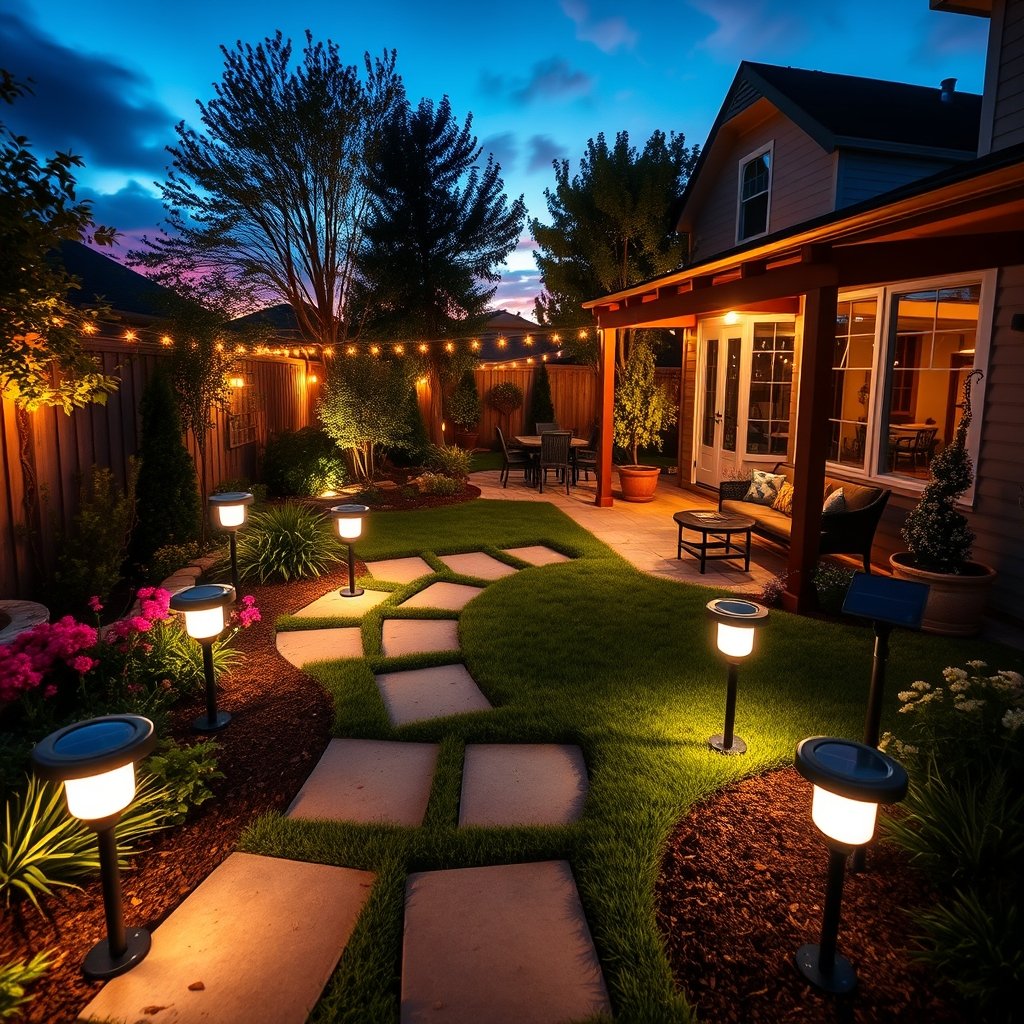
Motion sensor solar lights — when they make sense and what to expect
Motion sensor solar lights are ideal for driveways, dark fences, and backyards where light is only needed when someone approaches. Security models start at 300 lumens and high-end units reach up to 1,000 lumens—enough to actually stop a would-be intruder or light up wide swaths of your yard. Because these lights only activate when needed, batteries last longer and runtime stretches to 8–12 hours even in winter. Though they cost 10–20% more, the savings in battery replacements and utility bills can offset that premium within a couple of years, especially for busy households or if hiring a handyman for regular bulb changes is expensive.
For example, AloftSun’s motion sensor solar lights provide 800 lumens, robust waterproofing, and last 6–8 hours on a charge. However, even top brands may fall short on mounting options or battery replacement support—so do your homework on long-term needs.
Typical costs, lumen outputs and lifespans — backyard vs. garden vs. fence
Solar lights come in three practical categories, each with their own price bands and technical targets:
- Backyard stake or post lights: $20–$60 each, typically 50–200 lumens, ideal for patios and general yard illumination. See our insider report on structural elements and outdoor environments.
- Waterproof garden or pathway lights: $15–$50 per fixture, 10–200 lumens for garden beds and paths. These should have at least an IP65 waterproof rating (“IP” stands for Ingress Protection, and 65 means total dust protection and water spray from any angle). Read about dynamic movement in landscaping for more inspiration.
- Fence-mount solar fixtures: $30–$80 per light, 100–400 lumens for fences, posts, or deck rails. For unique solar fence lighting ideas, check out installation conditioning and design.
Most quality solar outdoor lights last roughly 5–7 years, based on LED module life (5–10 years) and lithium-ion battery lifespan (3–4 years before output drops below practical runtime). By year four, plan on replacing at least the battery if the light is built to allow it (not all are—see the “pain points” below).
| Category | Typical Price (each) | Lumen Range | Battery Life | IP Rating | Expected Lifespan |
|---|---|---|---|---|---|
| Backyard Stakes/Posts | $20–$60 | 50–200 | 6–10 hrs | IP65+ | 5–7 yrs |
| Garden/Pathway | $15–$50 | 10–200 | 6–12 hrs | IP65+ | 5–7 yrs |
| Fence-Mounted | $30–$80 | 100–400 | 8–12 hrs | IP65+ | 5–7 yrs |
| Security (Motion Sensor) | $40–$100 | 300–1,000 | 6–10 hrs | IP65–67 | 5–7 yrs |
Three biggest real‑world pain points and how to test for them before you buy
- Short battery life after a year or two. Many solar lights lose runtime fast, especially after cloudy weather, often dropping to under 4–6 hours a night within 18–36 months. Integrated batteries that can’t be replaced mean you’re buying a whole new unit instead of just a battery.
- Inadequate waterproofing. A proper garden light needs an IP65 rating or better—lower numbers (like IP44 or IP54) fail in heavy rain or snow, causing internal corrosion and early death.
- Frustrating mounting systems. Many “universal” fixtures need extra drilling, tools, or have brackets that only fit standard wood fencing—not metal, vinyl, or uneven surfaces.
How to spot issues beforehand:
- Check for the battery type (prefer lithium-ion, ideally replaceable) and estimated runtime at full and half charge.
- Look for IP65 or above in the spec sheet or box (IP65 = total dust protection + water jets from any direction).
- Review mounting hardware photos—look for adjustable brackets, clamp mounts, or tool-free options if you rent or have unique fence shapes.
- Scan user reviews for the phrase “battery died within 2 years” or “mounting required extra tools.”
For a full breakdown of complaint trends and what really matters for longevity, see this solar garden light market trend report.
Real ROI: calculating lifetime cost and replacement cycles
The real payback on solar outdoor lights is the total cost over 5–7 years. Use this simple formula:
ROI Example Calculation
- Initial fixture cost: $40
- Battery replacement (after 3–4 years): $10–$20 (if replaceable)
- Grid-powered alternative: ~$10–$20/year in electricity
- Total 5-year cost: $50–$60 (solar), $50–$100+ (wired fixture factoring electric costs, bulbs, installer fees)
Motion sensor solar lights further stretch battery life and cut energy use, especially in high-traffic areas. The replacement interval for the battery—usually 3–4 years—is the real make-or-break factor for lifetime cost. LED modules generally last well beyond that (5–10 years). Avoid lights with sealed, non-replaceable batteries unless you are comfortable buying all-new units every few seasons.
Installation strategies for fences and uneven yards (DIY and pro tips)
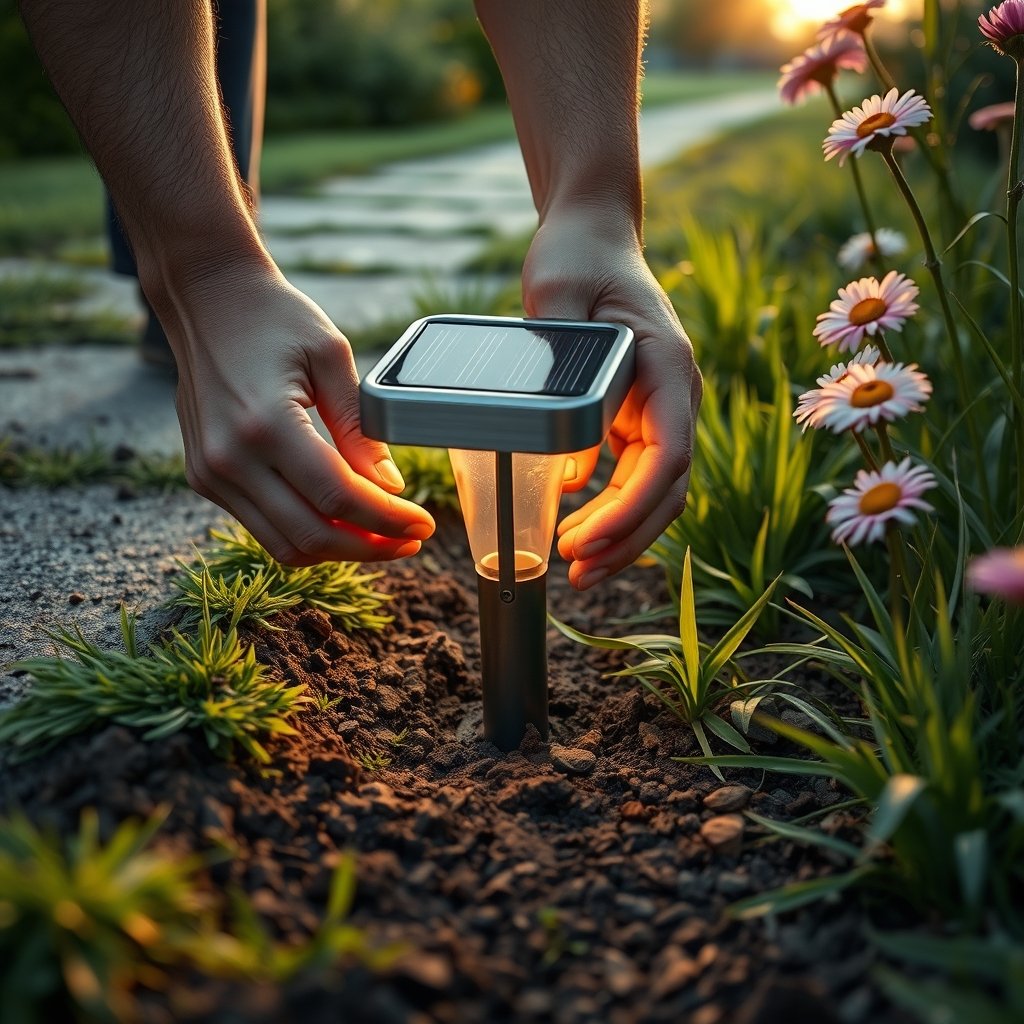
For fences, opt for models with sliding bracket slots or rail adapters. On sloped or rocky ground, use weighted base plates or adjustable stakes. Most garden lights can be installed in under 10 minutes with minimal tools. If you want non-destructive options, look for lights marketed as “tool-free” or “no-drill”—these are less likely to void a rental agreement.
See this structural element analysis for more ways to adapt lighting to tough surfaces.
| Area | Mounting Solution | Tools Required | Time Estimate |
|---|---|---|---|
| Standard Fence | Clamp or sliding bracket | Screwdriver, or none | 5–10 min |
| Vinyl/Metal Fence | Adhesive or rail mount | None | 5 min |
| Uneven Yard/Garden | Weighted base, adjustable stake | None | 10 min |
| Deck Rail | Rail bracket, clamp | None | 5 min |
| Renter (no drilling) | Adhesive pad, zip tie, clamp | None | 5 min |
Competitor gap analysis — where top brands still fall short
If you compare leading brands, most now offer good brightness and motion sensing, but few consistently deliver on long-term ROI and installation ease. For instance:
- AloftSun: Delivers strong brightness and robust battery life, but mounting options are limited—bad news for unusual fence types or renters. (see review)
- Nipify: High lumen output but coverage and mounting flexibility are restricted—great for small, uniform fences but not variable shapes.
- Low-cost Amazon generics: Often lack proper IP65 waterproofing, have sealed (non-replaceable) batteries, and include just a basic stake—meaning you’ll face surprise replacement costs and headaches with odd surfaces.
Few brands directly address ROI or provide charts for expected replacement cycles up front. Always read user reviews focused on year-two and year-three performance, not just first impressions. For more on market gaps, refer to the latest solar lighting insights.
Specs to require (minimums) and “nice-to-have” features
There are minimum must-haves for anyone shopping for waterproof garden lights and the best solar lights for backyard installations:
- IP rating: Always IP65 or above for year-round weather resistance.
- Battery type and capacity: Lithium-ion (Li-ion) is best—NiMH is acceptable but shorter-lived. Check if the battery is labeled “replaceable”.
- Panel type: Monocrystalline solar panels charge fastest and last longest.
- Lumen output per use case: 10–50 for mood lighting, 100–200 for paths/decks, 300+ for security.
- Warranty: At least 1 year. Some premium lights offer 2–3 years.
- Mounting hardware: Adjustable or multiple mounts included for fence, rail, ground, or wall.
Nice-to-have features worth extra spend:
- Motion sensors (for security and energy savings)
- Completely replaceable battery packs (extends product to 7+ years)
- Larger panels for faster charging
- Remote on/off or mobile control (rare, but emerging in 2025 models)
Looking for more details on advanced features? Read our insider piece on momentum building in smart garden systems.
Quick buying checklist and recommended spec ranges (one‑page actionable takeaway)
Quick Checklist (Save this for your next shopping trip!)
- Price: Backyard $20–$60, Garden/Pathway $15–$50, Fence $30–$80
- Lumen Target: Ambiance 10–50, Path 100–200, Security 300+
- Waterproof Rating: IP65 minimum (IP67 optimal)
- Battery Type: Lithium-ion, replaceable if possible; 3–4 year replacement interval
- Panel Type: Monocrystalline or robust polycrystalline
- Mounting: Includes at least 2 hardware options (stake, clamp, bracket)
- Motion Sensor: Yes for security; optional for mood/pathway
- Warranty: 1 year minimum (prefer more for high traffic areas)
- Total Cost of Ownership: Add one battery replacement in your calculation over a 5–7 year product life
FAQ
How long do solar outdoor lights actually last?
Quality solar outdoor lights have a typical lifespan of 5–7 years. The LED setup can go 5–10 years, but the battery will likely need replacing every 3–4 years to maintain performance.
What is IP65 and why does it matter?
IP65 means a fixture is dust-tight and protected against strong water jets from any direction. This rating is crucial for outdoor gear, as it helps your light survive rain, snow, and sprinkler misfires without internal corrosion or shorting.
Can I replace the battery in my solar garden light?
That depends on the model. Higher-end units and some best solar lights for backyard use offer replaceable lithium-ion batteries, while cheap lights often have sealed (non-replaceable) cells—if the battery fails in these, you have to replace the whole unit.
Are solar outdoor lights bright enough for security?
Yes, but pick models rated for 300 lumens or higher (preferably with motion sensors). Cheaper options under 100 lumens work for ambience but won’t light an area enough for security purposes.
What’s the best installation method for fences and tricky yards?
Clamp-on mounts, adjustable brackets, or adhesive systems are best for fences and uneven ground. They are quick, don’t damage surfaces, and allow for future repositioning—great for renters too.
—