

### Blog Post:
Smart leak detector technology is now the most reliable way to prevent water damage before it devastates your basement or utility room. With flooding and mushrooming insurance costs on the rise, more homeowners are turning to these high-tech water sentinels for peace of mind and real savings.
Key Takeaways
- Choose your smart leak detector based on reliability, not just features—prioritize true fast detection, robust connectivity, and actionable response options like auto shut-off.
- Understand the market: basic spot sensors cost $15–$60, but only integrated systems ($150–$700) provide whole-home or basement-level flood protection and usually support insurance incentives.
- Proactive maintenance—regular testing, battery checks, and firmware updates—is critical to avoid false alarms and catch leaks before they become expensive disasters.
- Why a smart leak detector matters now
- Step-by-step guide: Buying, installing, and maintaining your detector
- Advanced analysis and common pitfalls
- Conclusion: Take action now
- FAQ: Smart leak detector troubleshooting
Why a smart leak detector matters now
Undetected water leaks cause more property loss every year than fire, storms, and theft—with average insurance claims exceeding $11,000 per incident. The global smart water-leak detector market is now worth $2.2 billion with over 70 million units sold, showing homeowners everywhere are waking up to the cost and stress of moisture gone unnoticed.
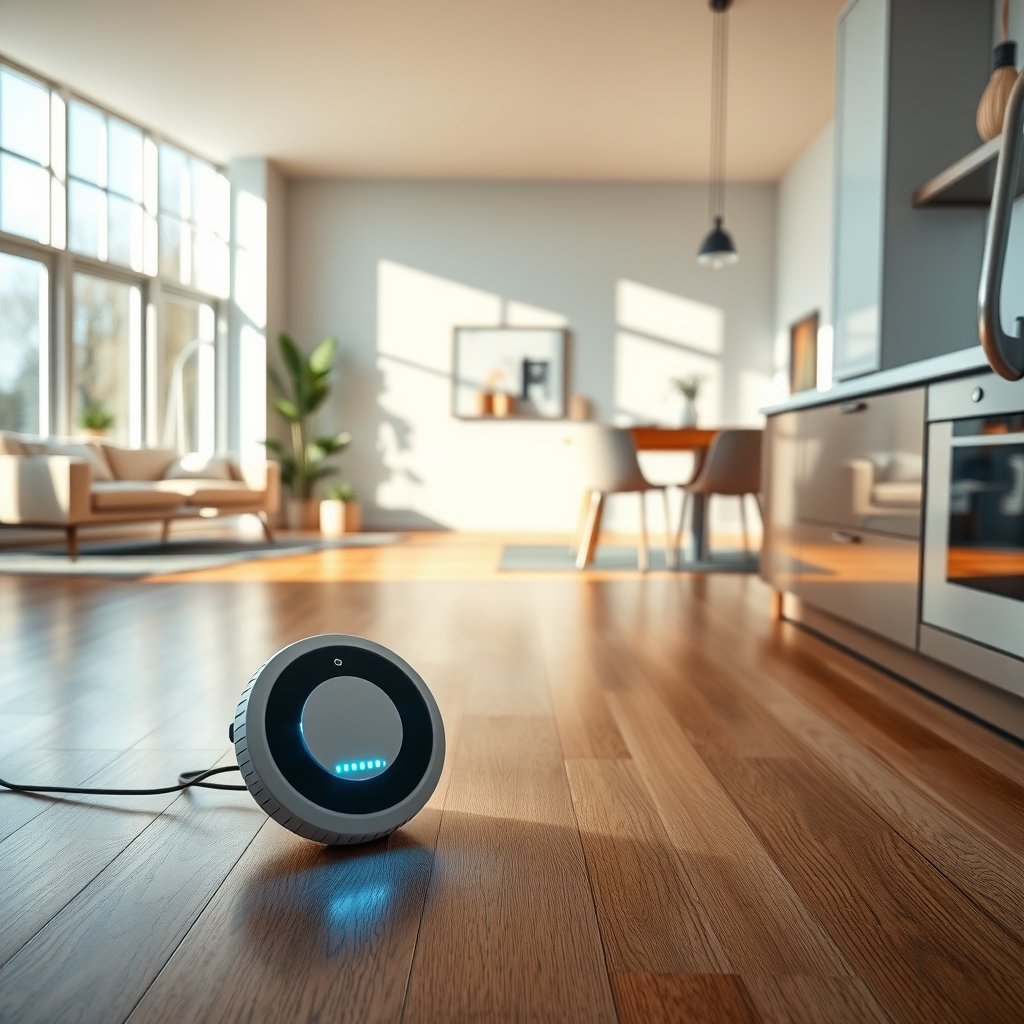
Smart leak detectors connect to WiFi, Z-Wave, Zigbee, or Thread and deliver instant remote alerts, so you can act even when away. Some can even trigger valve shut-off or home automation, shutting down leaks before they soak the subfloor. Knowing the capabilities—and limits—of each detector is the best way to get ahead. While they can’t fix old plumbing, they can catch the moment water starts pooling—before it turns into weeks of repairs.
Step-by-step guide: Buying, installing, and maintaining your detector
Buying the best smart leak detector for home use is more than picking the top-rated model or chasing the lowest sale. Follow these reliable steps to ensure your home is covered—and your investment is worthwhile:
- Audit your risks: Identify likely leak sources—basement perimeter, below-grade rooms, under sinks, behind washing machines and water heaters.
- Choose detection type:
- Spot/contact sensors: Ideal under appliances, quick to respond within 1–5 seconds, $15–$60.
- Cable/rope or fixed sensors: Best for basements or covering large linear areas. Excellent for sump pits and flood-prone zones.
- Integrated shut-off systems: Pricier ($150–$700), but best for main lines or when you need insurance discounts or vacation/away protection.
- Pick connectivity to fit your setup:
- WiFi water leak sensor: Fast install, direct cloud alerts, works well for flats and small-medium homes. Growing at ≈9.6% CAGR(source).
- Zigbee, Z-Wave, Thread, Bluetooth: Use a hub for mesh reliability and longer battery life—vital in homes with WiFi dead spots.
- Focus on critical features:
- Fast response time (≤5s)
- 2+ years battery or hardwired power
- Reliable app alerts and low-battery notifications
- Integration with shut-off valves for full automation
- Third-party ecosystem compatibility (Home Assistant, Google Home, Alexa, SmartThings)
- Actionable privacy/data practices—ask about local mode and data retention!
- Install strategicially: For a basement water alarm sensor, place rope/cable sensors along the lowest level near sump pits or water entry points. Avoid spots with regular condensation or cleaning splashes.
- Test and maintain:
- Monthly: Push test or gently splash water to ensure instant alerting
- Quarterly: Battery check, app update, firmware upgrade if available
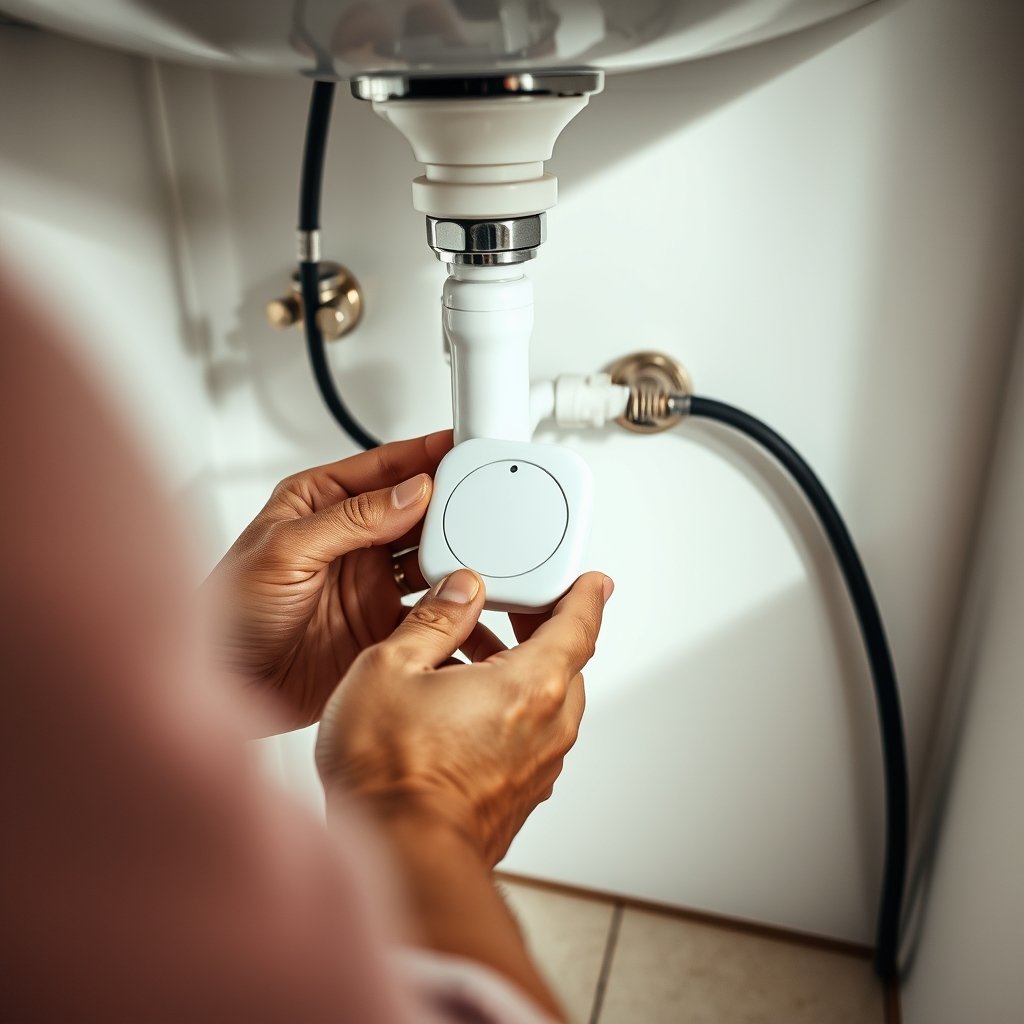
Quick example: In a damp New Jersey basement with occasional sump backups, combining a 10-foot cable sensor ($80–$120) under shelving with an app-controllable shut-off valve ($300+) caught two small leaks and stopped further damage, earning a 5% annual insurance premium reduction. The homeowner followed a quarterly app-firmware/battery check schedule and never missed a single alert.
Explore more about how sensing cables transform whole-room coverage in this detailed buyer’s guide.
If you want further reading on ecosystem integrations and smart home deployments, check out our guide to cascading smart systems.
Advanced analysis and common pitfalls
No smart leak detector is “set it and forget it.” According to market research, the most frustrating pain points for real homeowners include:
- False alarms: Sensors on cold/damp floors or in laundry areas often confuse condensation with actual leaks. Humidity surges or cleaning splashes are typical culprits. (source)
- App reliability & alert latency: WiFi outages or buggy apps result in notifications that arrive late (sometimes minutes after water is detected), or not at all.
- Battery failures: Reported lifetimes range from 2–5 years, but low-cost models can drain unexpectedly or fail “silently” if not checked periodically.
- Complex installation: Tight crawlspaces, sump pits, or pipe corners may stymie DIYers with less patience for fiddly cables or awkward mounts.
- Missing reliability data: Few brands publish Mean Time Between Failure (MTBF) or tested false-alarm/latency rates. Homeowners are left guessing which models are genuinely battle-tested (source).
- Privacy and data risks: Some devices upload occupancy or water-use patterns to the cloud by default—without robust privacy controls.
| Detector Type | Response Time | Battery Life | Price Range | Connectivity | Best Use Case |
|---|---|---|---|---|---|
| Spot/contact sensor | 1–5 seconds | 2–5 years (AA/AAA) | $15–$60 | WiFi, Zigbee, Z-Wave, Bluetooth | Under appliances, near water heaters |
| Cable/rope sensor | 1–3 seconds | 2–5 years | $80–$200 | Zigbee, Z-Wave, Thread, WiFi | Basements, sump pit, large coverage |
| Shut-off + multi-sensor system | 1–3 seconds (shut-off delays vary) | Powered / 2–4 years battery (sensors) | $150–$700+ | Zigbee, Z-Wave, Thread, WiFi | Main supply lines, insurance discounts, vacation homes |
Want to see how these compare to other automation? See our guide to accumulation and growth in smart systems.
The best smart leak detector for home protection is the one that reliably fits your risk profile and home layout—not necessarily the most expensive or feature-rich model. Here are three hidden misses even the big competitors don’t cover well:
- Published reliability metrics: Insist on seeing MTBF (Mean Time Between Failures), real-world alert latency, and false-positive rates before purchase. Use this template to ask any vendor:
- “Could you provide recent MTBF, false-alarm rate, and test coverage statistics for the [model name] smart leak detector? What’s your current firmware update cadence and customer support window for reliability issues?”
- Basement and flood-prone installation support: Too many guides gloss over how to differentiate condensation from a pipe burst, or how to run cables through unfinished spaces. Insist on cable sensors for basements and always test with calibration phases (pour a few ounces and record where/when the alert triggers).
- Privacy and data flow: Ask vendors to document telemetry: Is there a local-only mode? Data retention policy? Can you opt out of cloud analytics?
If you’re handling large, multi-room projects, also read how to configure robust system integration for advanced users.
Lastly, use this critical buying checklist to filter options quickly:
- Proven reliability (ask for MTBF/false alarm stats)
- Response time ≤5 seconds
- Battery life 2+ years and low-battery alerts
- Mesh (Zigbee/Z-Wave/Thread) or robust WiFi connectivity
- Cable/rope sensor option if basement or wide-area coverage
- Shut-off valve integration for high-risk pipes
- App reliability; immediate push alerts
- Privacy/data controls (local mode, opt-out telemetry)
Want a deeper dive into tradeoffs and infrastructure? Check out our guide to structural and elemental system setups.
Conclusion: Take action now
A smart leak detector pays for itself the first time it prevents a flood or costly insurance claim. Don’t just pick the model with the flashiest app. Start by mapping your home’s high-risk zones. Order at least one affordable spot sensor for each water source and invest in cable or shut-off integration for flood-prone basements or main supply lines. Above all, demand published reliability metrics and clear privacy guarantees from every vendor.
Ready to take the next step? Start protecting your property from water risk today—review your smart leak detector options, schedule your installation, and test every alert before disaster strikes.
FAQ: Smart leak detector troubleshooting
Why do I get so many false alarms near my basement boiler or laundry?
High humidity, condensation, and water vapor confuse sensors. Place the detector slightly elevated on a tile and away from corners that collect steam or regular spills.
What should I do if my leak detector with app alerts doesn’t notify my phone?
First, confirm your app settings enable push notifications and check that your WiFi or hub is online. Test the detector with a damp cloth and watch for notifications within five seconds—if not, update firmware or reset the device.
Can I get an insurance discount with a smart leak detector?
Many insurers offer discounts (2–10%) for integrated smart leak detectors or shut-off systems. Submit documentation—including pictures and integration proof—to your agent.
How often do I need to test or replace the batteries?
Test detectors monthly, and replace batteries at least every two years—the best models last up to five, but always follow the manufacturer’s notification and schedule.
How do I choose between WiFi water leak sensor and Zigbee/Z-Wave?
WiFi is simplest for smaller homes and direct app alerts, but Zigbee or Z-Wave are better for large spaces with routers or thick walls, thanks to their mesh network and longer battery life.
—